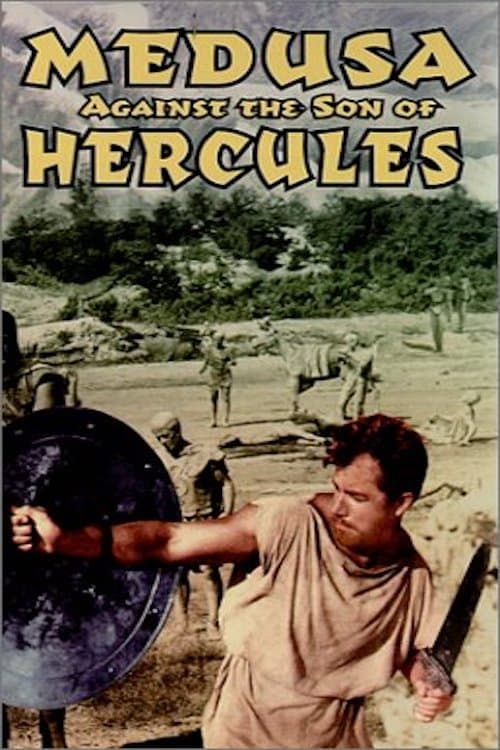
Son of Hercules vs. Medusa
1963
No user ratings available yet
Representation score: 1.6 out of 10
Representation Score
Minimal
1960
Not RatedDirector
Carlo Ludovico Bragaglia
Runtime
98 minutes
Average Rating
No ratings yetNew Showbiz Analysis
The film is a classic adventure that adheres strictly to mid-century mythological clichés. It centers on a traditional revenge arc and the restoration of social order through a male hero's actions. While the female lead holds a position of authority, the narrative structure remains anchored in conventional gender hierarchies. The focus stays on heroic ability to act and romantic equilibrium rather than diverse perspectives. Ultimately, the production reflects the standard cinematic conventions of 1960s European studio filmmaking, prioritizing classical heroism over modern social complexities.
Category Breakdown
The film focuses solely on the heterosexual relationship between Hercules and Deyanira. There are no characters with LGBTQ+ identities or non-traditional gender narratives.
Deyanira is portrayed as a strong queen, but her role mainly serves as a catalyst for Hercules' romantic journey. The story emphasizes Hercules' masculine ability to act and his quest for vengeance.
The setting is based on Western Greco-Roman mythology. There is no indication of diverse casting or the subversion of Eurocentric stereotypes.
The story follows a traditional moral code centered around justice and monarchy. It reinforces institutional stability without offering cultural critique.
There are no characters depicted with visible or invisible disabilities. The narrative does not feature neurodivergent or physically disabled protagonists.
Present on Screen
Limited or Absent
Official Synopsis
Hercules decides to avenge the death of his wife, murdered at the hands of Éurito, king of Ecalia, but everything is a plot of an ambitious courtier. Hercules ends up falling in love with Deyanira, who is now a good queen.
1963
1994

1961
1924
1962
1994
1960
1994
No reviews yet. Be the first to share your thoughts on this movie!
Use the rating form above to leave a star rating and optional review.