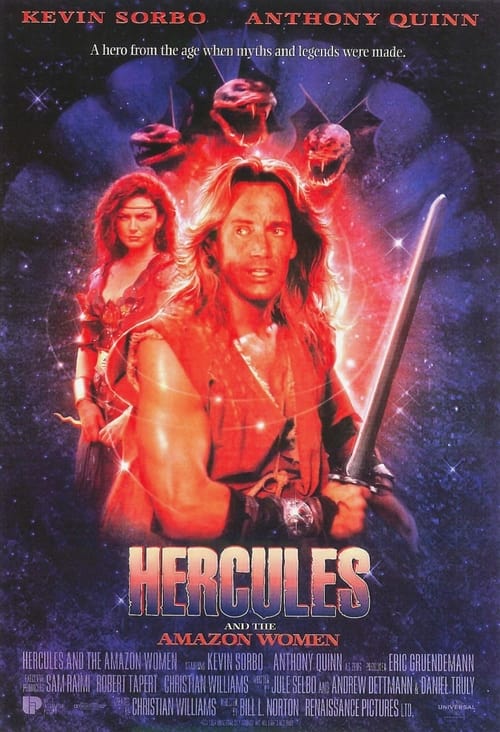
Hercules and the Amazon Women
1994
No user ratings available yet
Representation score: 4.8 out of 10
Representation Score
Limited
1994
Not RatedDirector
Harley Cokeliss
Runtime
90 minutes
Average Rating
No ratings yetNew Showbiz Analysis
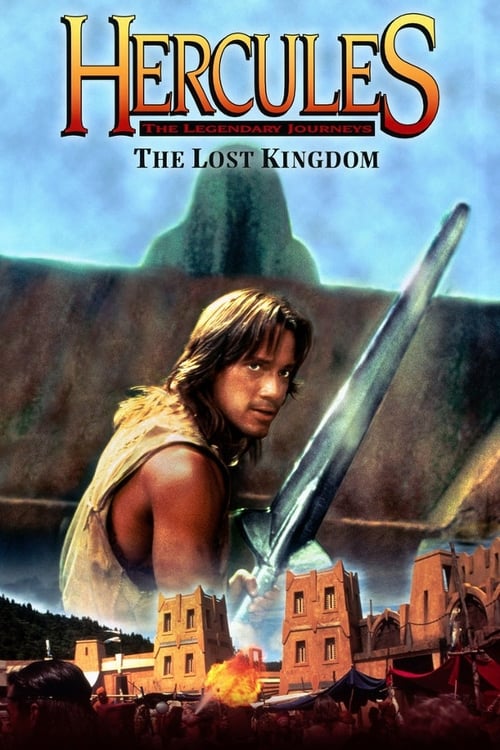
Hercules and the Lost Kingdom is a product of 1990s television conventions, prioritizing mythic heroism over social deconstruction. The narrative relies on established genre clichés that reinforce traditional power structures rather than challenging them. The film presents a homogeneous view of antiquity, using a largely white cast and straight-centered character dynamics. It functions as a straightforward hero's journey where virtue is synonymous with physical strength and the preservation of the status quo. Ultimately, the work lacks the multi-layered depth or systemic critique characteristic of contemporary media, opting instead for a binary moral landscape and conventional gender roles.
Category Breakdown
The film follows traditional Greek mythic frameworks and does not include any non-cisgender identities or same-sex relationships, sticking to straight-centered adventure themes.
Gender roles in the film follow conventional hierarchies. A woman drives the quest but her role is tied to the male hero's protection, reinforcing classical masculine dominance.
The cast is predominantly white, and there is no intentional racial blending or the multi-layered complexity found in more modern, diverse mythological adaptations.
The story reinforces Western mythic structures and binary morality, focusing on restoring social order without critiquing institutions or exploring postmodern subjectivity.
Characters are defined almost exclusively by physical prowess, and there is no visible representation of neurodivergence or characters living with disabilities.
Present on Screen
Limited or Absent
Official Synopsis
Hercules comes to the aid of a young woman who is seeking the lost city of Troy. Eventually, Hercules leads her to a camp of refugees from the city, which has been taken over by Hera's Blue Priests. Hercules helps the refugees take back the city. "Hercules and the Lost Kingdom" is the second movie-length pilot episode of the television series "Hercules: The Legendary Journeys".
1994
1994
1994
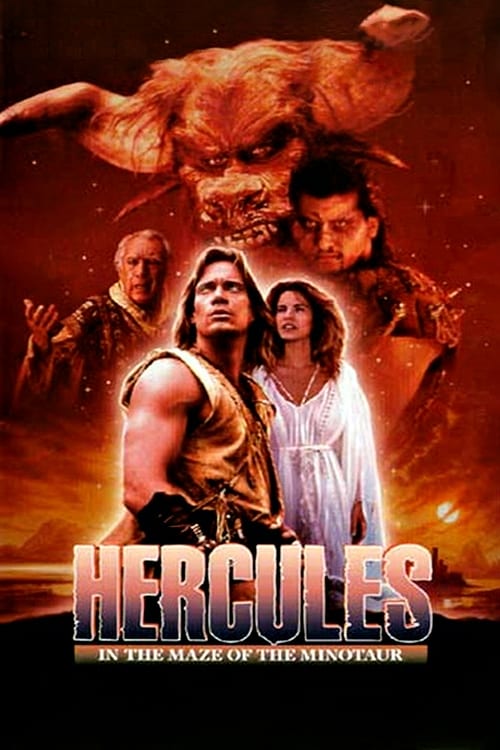
1994
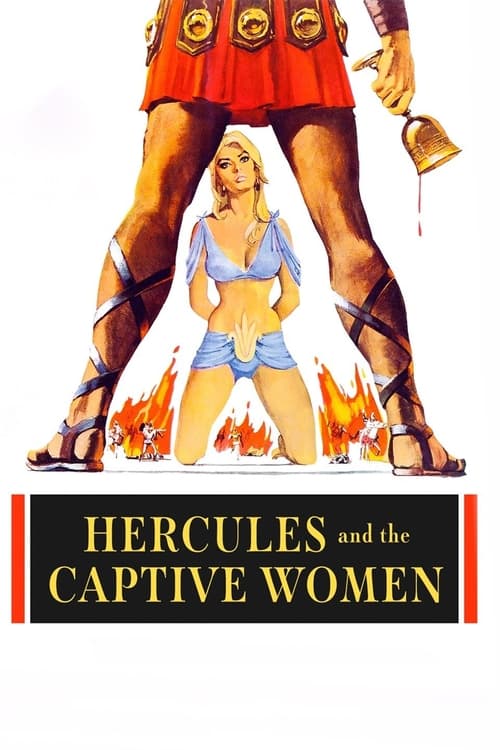
1961

1964
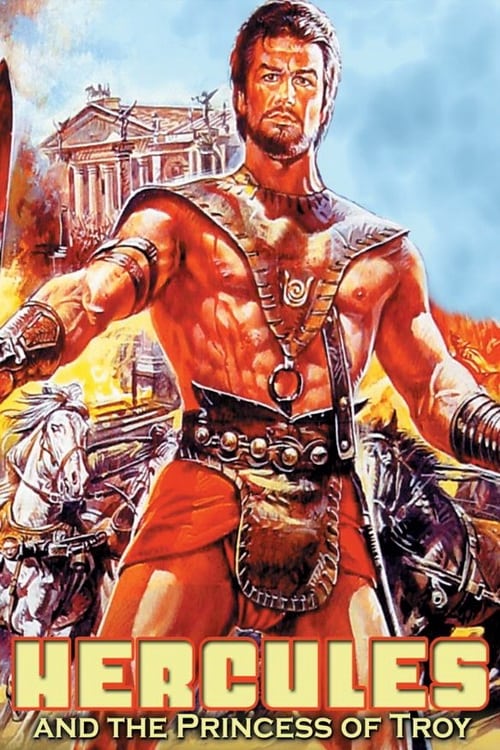
1965
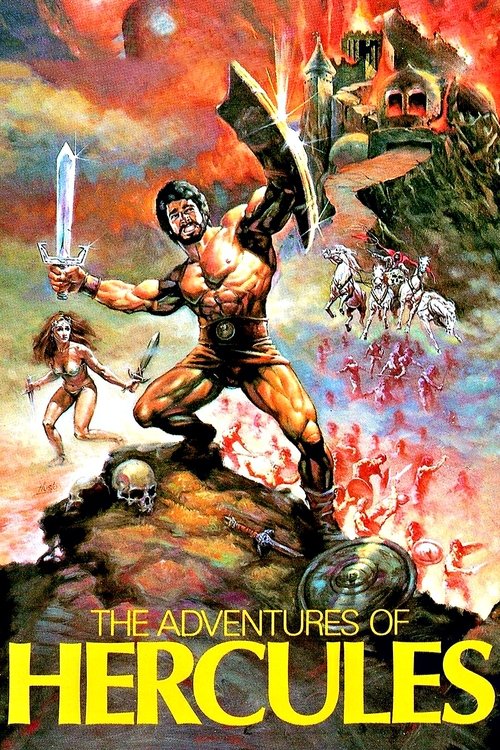
1985
No reviews yet. Be the first to share your thoughts on this movie!
Use the rating form above to leave a star rating and optional review.