Andy Warhol
1965
No user ratings available yet
Representation score: 4.9 out of 10
Representation Score
Fair
2002
Director
John Walter
Runtime
90 minutes
Average Rating
No ratings yetNew Showbiz Analysis
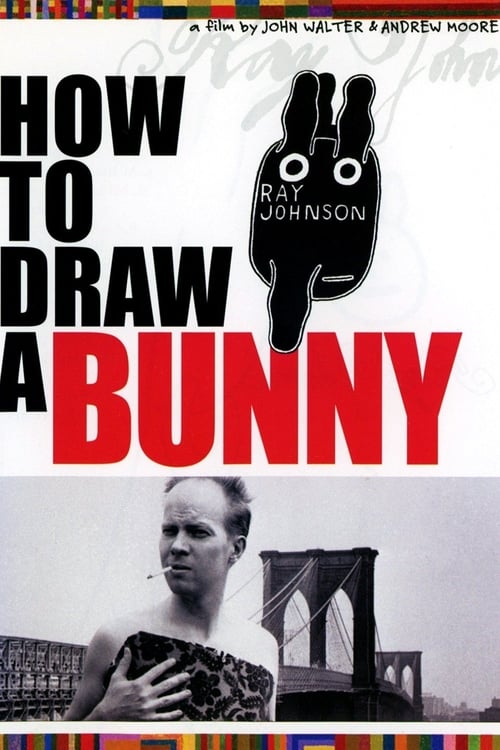
How to Draw a Bunny is a moderate exploration of artistic identity. It challenges traditional views of authority and provides a platform for diverse intellectual perspectives. However, it remains tied to the historical context of the Western art establishment. While the film offers a nuanced look at individual expression and its impact on aesthetic norms, it does not achieve a broad level of demographic diversity.
Category Breakdown
The film explores identity through the lens of art history and avant-garde movements. It highlights social spaces that challenged traditional norms, but lacks explicit romantic storylines.
Representation includes a mix of genders, with Judith Malin offering a counterpoint to the male-dominated canon. However, the narrative still centers on well-known male artists.
The documentary focuses on the Western art canon of the Warhol era, with a heavy emphasis on figures associated with white-centric Pop Art developments.
The film presents cultural complexity by breaking down the distinction between high and low art. It critiques rigid Western institutions through the unconventional work of Ray Johnson.
There is no evidence of specific portrayals regarding physical or neurodivergent disabilities. Any such representation would likely be incidental to the subjects' personal histories.
Present on Screen
Limited or Absent
Official Synopsis
Interviews with Christo, Chuck Close, Roy Lichtenstein, Judith Malin, James Rosenquist and others help to illuminate the life and work of Warhol contemporary Ray Johnson.
1965
1995
1970
2012
1992
2000
2006
1991
No reviews yet. Be the first to share your thoughts on this movie!
Use the rating form above to leave a star rating and optional review.