The Game of Their Lives
2002
No user ratings available yet
Diversity score: 2.4 out of 10
2016
Director
Daniel Gordon
Runtime
120 minutes
Average Rating
No ratings yetSynopsis
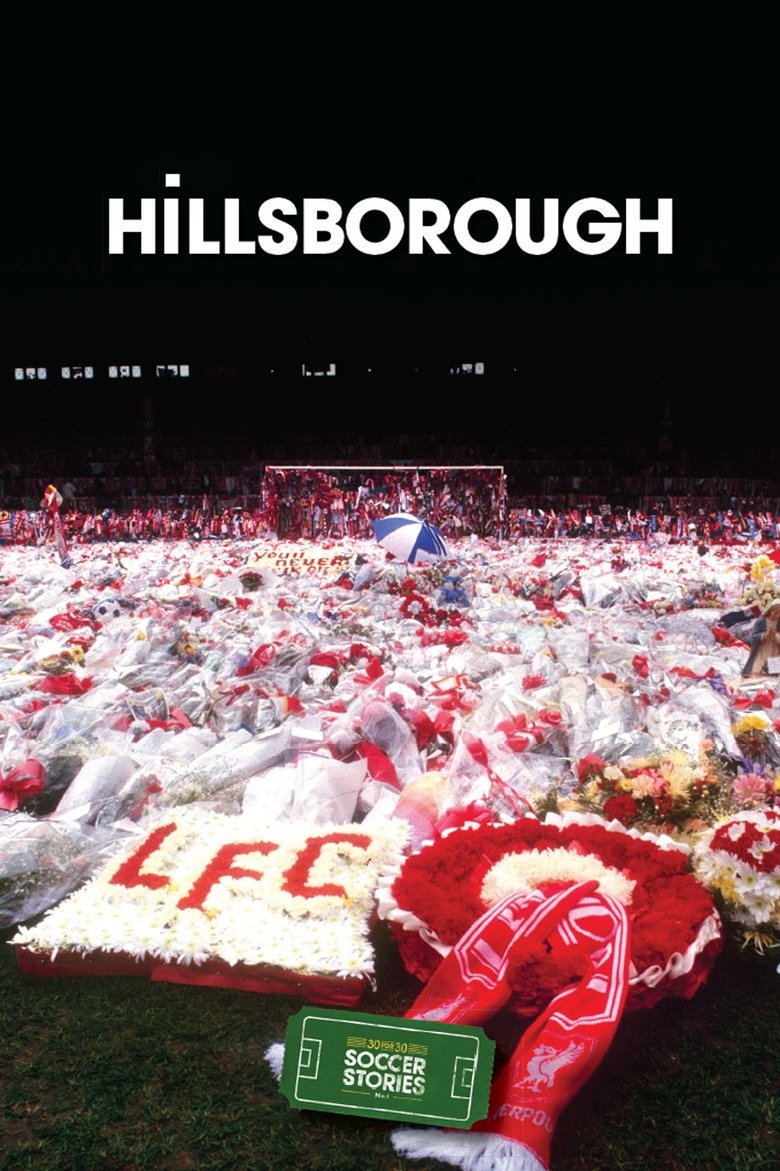
A look at the April 15, 1989 tragedy at Hillsborough Stadium in Sheffield, England, where a stampede in the stadium's standing-room-only areas killed 96 people and injured 766. The film also examines the ongoing efforts of victims' families to seek truth and justice, as well as tangible effects on English football, including stadium upgrades and the emergence of the English Premier League.
Overall Score
Fair
Category Breakdown
LGBTQ+ Representation
The documentary focuses exclusively on the Liverpool football community and the families affected by the tragedy. There is no discernible presence of LGBTQ+ characters or narratives within this historical account.
Gender Representation
The film centers the agency of mothers and wives, portraying them as the primary drivers of the justice movement. It subverts tropes of female passivity by highlighting their leadership in challenging state institutions.
Racial & Ethnic Diversity
Reflecting the 1989 socioeconomic context of the Liverpool supporter base, the film features a largely homogeneous white British cast. This accurately reflects the era's demographic reality but lacks contemporary intersectional diversity.
Religious & Cultural Diversity
The narrative offers a profound critique of Western institutions, portraying police and legal frameworks as corrupt entities. It prioritizes a struggle for truth against an oppressive state apparatus.
Disability Representation
The narrative is predicated on the profound physical trauma and life-altering injuries sustained by the victims. It avoids spectacle, focusing instead on the gravity of loss and systemic negligence.
Strengths
Areas for Improvement
AI Analysis
Hillsborough (2016) is a documentary that prioritizes historical accuracy and social critique over broad demographic representation. Its strength lies in its subversion of traditional gender roles, elevating women from grieving relatives to central political actors. However, the film is demographically limited by its specific historical setting. The focus on a largely white, working-class British community results in low scores for racial and LGBTQ+ diversity. Ultimately, the film finds its depth in cultural critique, challenging institutional power and state narratives. It succeeds as a study of systemic failure and the resilience of those fighting for accountability.
2002

2017
2014

2011

2006

2015

2014

2014

2021

2025

2010

2017
No reviews yet. Be the first to share your thoughts on this movie!
Use the rating form above to leave a star rating and optional review.