Disgraced
2017
No user ratings available yet
Representation score: 7.9 out of 10
Representation Score
Minimal
2010
TV-GDirector
Thaddeus D. Matula
Runtime
102 minutes
Average Rating
No ratings yetNew Showbiz Analysis
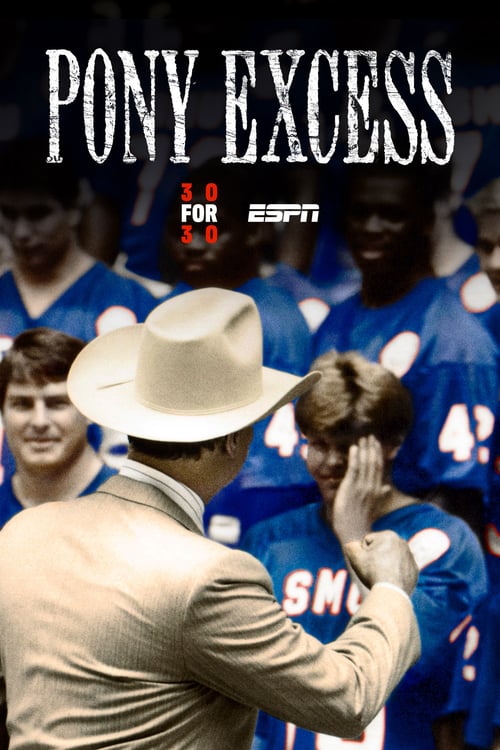
Pony Excess serves as a socio-economic examination of 1980s Dallas, using the SMU football program's collapse to explore corporate greed and political corruption. The film prioritizes the critique of institutional integrity over demographic diversity. While the documentary lacks representation of LGBTQ+ and disabled individuals, it provides a strong critique of Western power structures. It succeeds by framing the NCAA 'death penalty' as a result of unchecked capitalism and systemic decay. Ultimately, the film is a focused historical investigation. It prioritizes a deep look into how wealth and influence affected collegiate athletics and local politics over broader social inclusion.
Category Breakdown
The documentary focuses on sports, oil industry politics, and NCAA regulations. It does not include any characters or themes related to LGBTQ+ identities.
The film centers on male-dominated spheres such as collegiate football and 1980s oil barons. It highlights traditional masculine ideals of power and leadership.
The movie seems to focus on a predominantly white, affluent demographic. The main characters are part of the dominant social class.
The film effectively critiques traditional Western institutions. It portrays capitalism and political authority as inherently flawed, emphasizing systemic issues within these institutions.
There is no indication of the inclusion of neurodivergent individuals or characters with physical disabilities in this historical sports investigation.
Present on Screen
Limited or Absent
Official Synopsis
From 1981-1984, a small private school in Dallas owned the best record in college football. The Mustangs of Southern Methodist University were riding high on the backs of the vaunted "Pony Express" backfield. But as the middle of the decade approached, the program was coming apart at the seams. Wins became the only thing that mattered as the University increasingly ceded power of the football program to the city's oil barons and real estate tycoons and flagrant and frequent NCAA violations became the norm. In 1987, the school and the sport were rocked, as the NCAA meted out "the death penalty" on a college football program for the first and only time in its history. SMU would be without football for two years, and the fan base would be without an identity for 20 more until the win in the 2009 Hawaii Bowl. This is the story of Dallas in the 1980's and the greed, power, and corruption that spilled from the oil fields onto the football field and all the way to the Governor's Mansion.
2017
2013
2013

2022
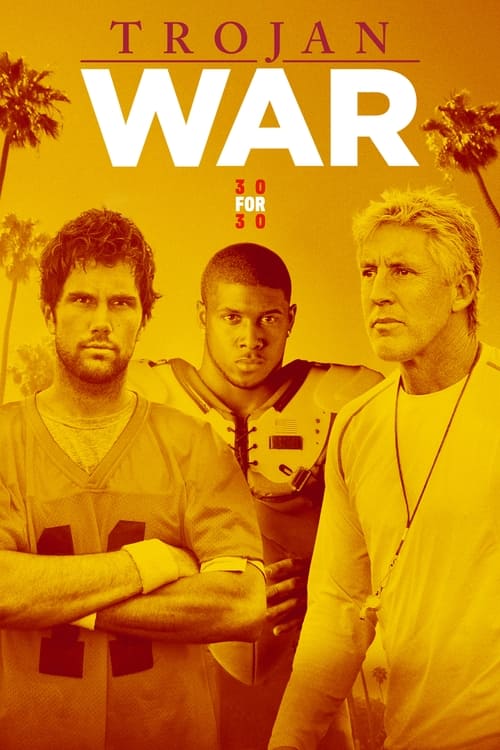
2015

2021
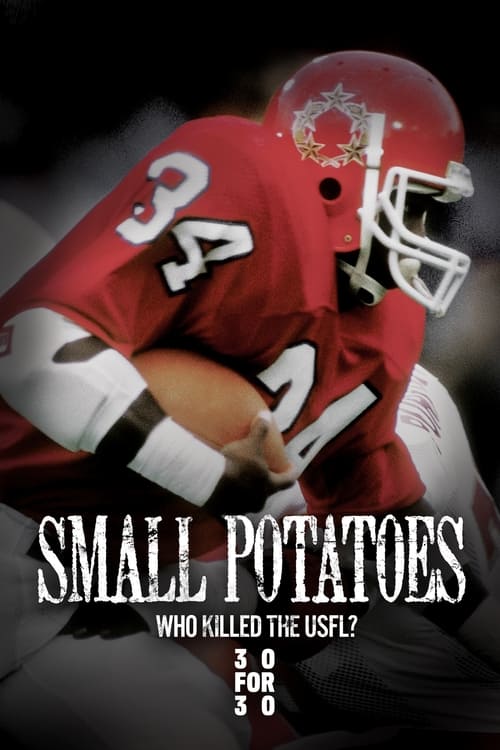
2009
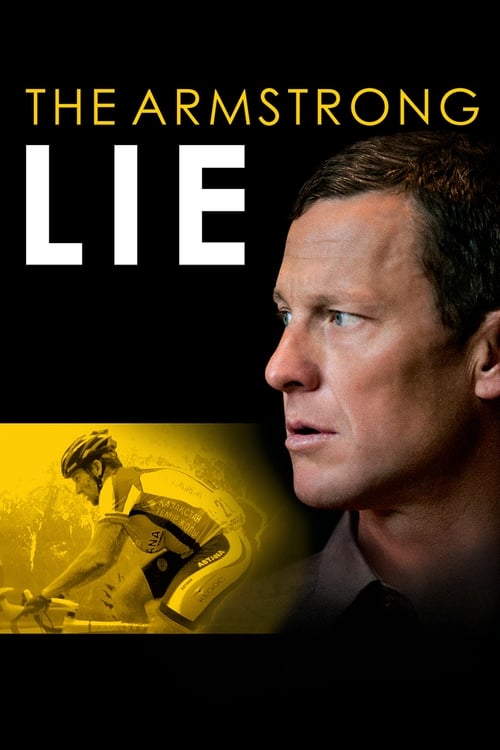
2013
No reviews yet. Be the first to share your thoughts on this movie!
Use the rating form above to leave a star rating and optional review.