The Horror of Blackwood Castle
1968
No user ratings available yet
Diversity score: 2.2 out of 10
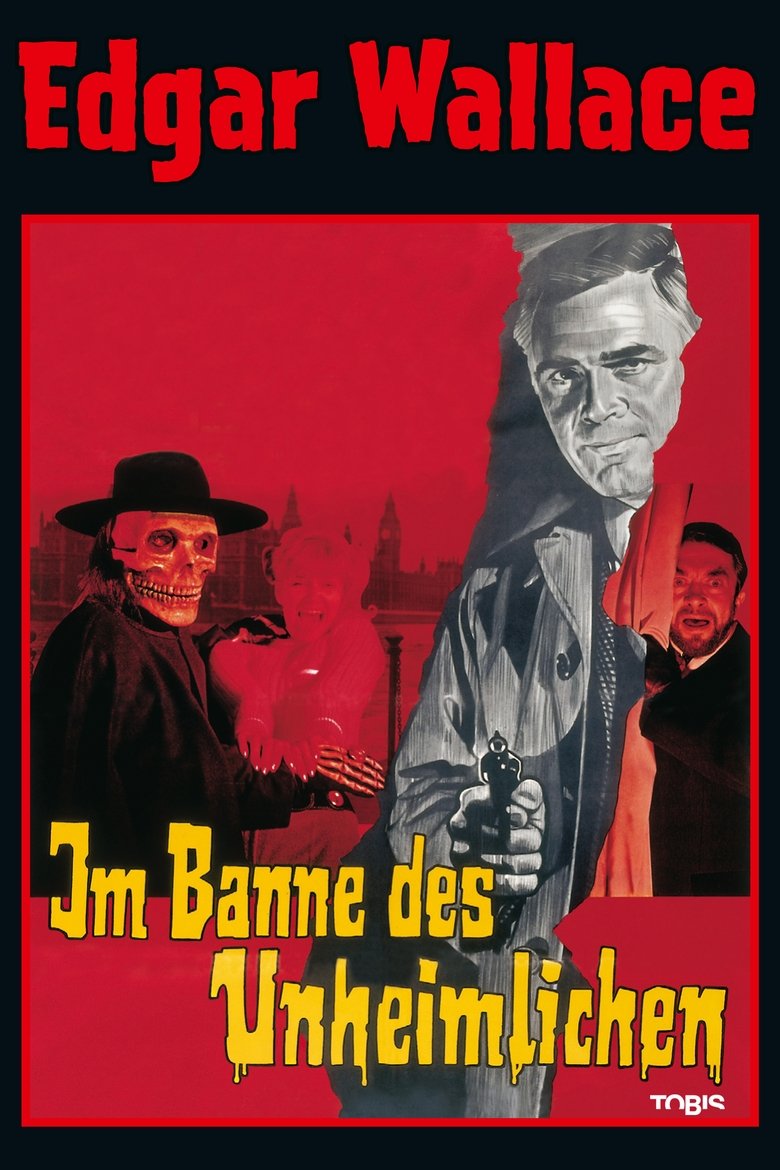
1968
Director
Alfred Vohrer
Runtime
90 minutes
Average Rating
No ratings yetSynopsis
A serial killer who calls himself "The Laughing Corpse" dresses up in a skeleton costume and kills his victims with a poison-filled scorpion-shaped ring.
Overall Score
Limited
Category Breakdown
LGBTQ+ Representation
The film lacks any depiction of non-heteronormative identities or same-sex intimacy. It follows traditional genre tropes centered on a singular antagonist.
Gender Representation
The narrative focuses on a male serial killer, leaving little room for female agency. Women appear to occupy secondary roles or victim positions within a patriarchal framework.
Racial & Ethnic Diversity
Reflecting the West German film industry of 1968, the casting appears demographically homogeneous. There is no evidence of diverse racial or ethnic representation.
Religious & Cultural Diversity
The story prioritizes stylized horror and individual criminality over systemic critiques. It lacks narratives addressing secularism, anti-capitalism, or complex religious morality.
Disability Representation
There is no information available regarding the depiction of physical or neurodivergent disabilities in this production.
Strengths
Areas for Improvement
AI Analysis
The Zombie Walks is a product of its era, functioning as a traditional German crime thriller. It prioritizes atmospheric tension and the mechanics of a serial killer plot over any meaningful exploration of identity or social hierarchy. The film adheres strictly to the cinematic conventions of 1968. Its focus remains on the stylized horror of 'The Laughing Corpse' rather than challenging the demographic or social norms of the period. Ultimately, the work lacks the intentionality required to represent intersectional identities, resulting in a narrative that reflects the homogeneity of the late sixties West German film industry.
1968
1962

1967
1963
1967
1968

1947
1967
1960
1964

1959

1973
No reviews yet. Be the first to share your thoughts on this movie!
Use the rating form above to leave a star rating and optional review.