
La moglie in bianco... l'amante al pepe
1981
No user ratings available yet
Representation score: 1.7 out of 10

Representation Score
Minimal
1969
Director
Günter Hendel
Runtime
80 minutes
Average Rating
No ratings yetNew Showbiz Analysis
Graf Porno und die liebesdurstigen Töchter is a product of its era, reflecting the conventional social and narrative structures of 1969. The plot is driven by traditional motivations, specifically the preservation of class status through arranged marriage. The film lacks the intentionality needed to challenge established hierarchies. Instead, it reinforces existing socioeconomic and gendered power dynamics without offering much in the way of diverse perspectives. Ultimately, the work sticks to a narrow, aristocratic European worldview without questioning traditional structures.
Category Breakdown
The film focuses on traditional heterosexual marriages aimed at preserving wealth. There is no evidence of LGBTQ+ identities or narratives that question traditional marriage structures.
The narrative centers on patriarchal decision-making, with Garibaldus controlling his children's marital prospects. The plot suggests a traditional gender hierarchy where women play secondary roles.
The production adheres to the homogeneous casting norms typical of 1969 European cinema. There is no indication of diverse casting to disrupt the period's social constraints.
The story operates within a framework of traditional Western aristocratic values. It reinforces social hierarchies through a focus on family lineage and wealth preservation.
The film provides no evidence regarding the inclusion or portrayal of characters with physical or neurodivergent disabilities.
Present on Screen
Limited or Absent
Official Synopsis
Garibaldus lives in the family inherited castle, but with the finances he has problems. To solve their financial problems, he wants to marry his son to a rich girl.
1981

1978

1978

1980
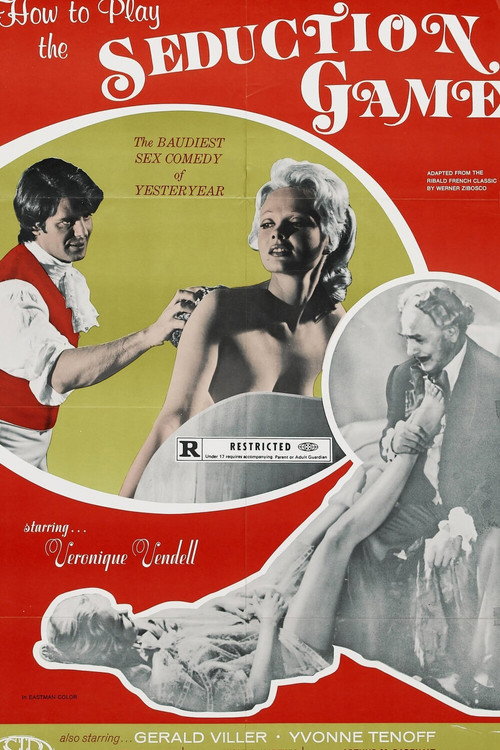
1970
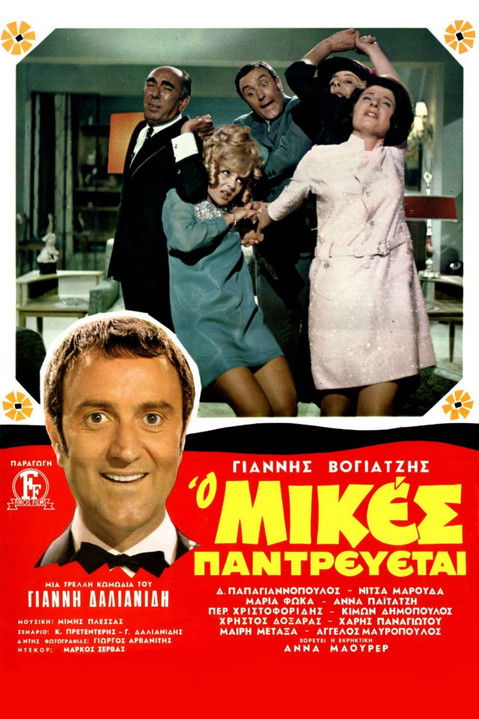
1968
1982
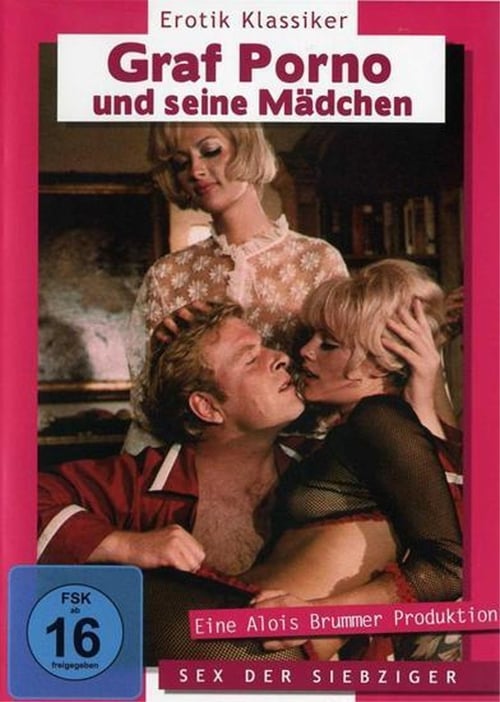
1969
No reviews yet. Be the first to share your thoughts on this movie!
Use the rating form above to leave a star rating and optional review.