Recovery Boys
2018
No user ratings available yet
Representation score: 4.9 out of 10
Representation Score
Good
2017
Director
Richard Yelland
Runtime
90 minutes
Average Rating
No ratings yetNew Showbiz Analysis
The documentary succeeds by reframing addiction from a personal moral failing to a complex systemic crisis. By focusing on the neurobiological and sociological aspects of the opioid epidemic, it offers a gritty, realistic portrayal of human struggle that avoids common clichés. However, the film is limited by a narrow demographic scope. The narrative is heavily male-centric and lacks significant representation of diverse racial, ethnic, or LGBTQ+ identities, focusing instead on a specific musical and social milieu. Ultimately, while it lacks markers of the way different parts of someone's identity overlap, its strength lies in its sophisticated treatment of disability and systemic social issues.
Category Breakdown
The film does not explicitly mention LGBTQ+ characters or themes. It focuses on personal addiction and the loss of Bradley Nowell.
The documentary centers on male-centric experiences and the friendship between Zalkins and Nowell. It lacks significant women's ability to drive the story or challenges to traditional masculinity.
The narrative focuses on a specific biographical arc within the American opioid epidemic. It lacks evidence of a non-Anglo-Saxon majority cast or intentional racial diversity.
The film challenges traditional views on morality by framing addiction as a systemic crisis rather than a moral failing. This provides a nuanced, sociological perspective.
Zalkins is portrayed with ability to act while navigating the invisible disability of chronic chemical dependency. The film avoids 'inspiration porn' by focusing on the grueling reality of recovery.
Present on Screen
Limited or Absent
Official Synopsis
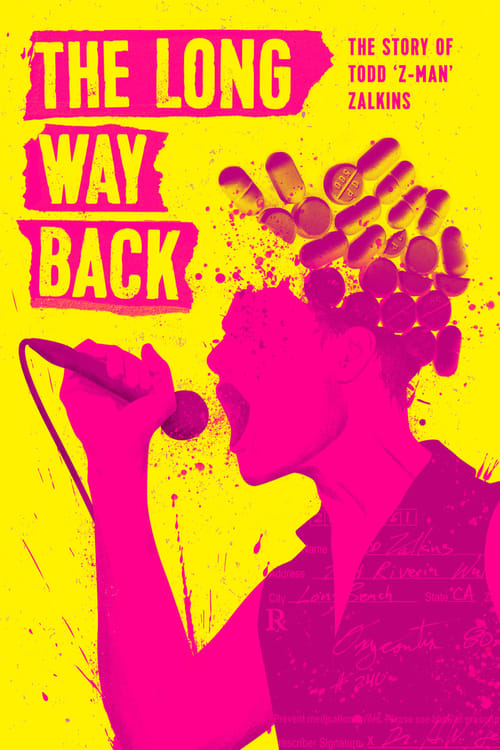
After losing his close friend Bradley Nowell of Sublime to a heroin overdose, Todd Zalkins aka 'ZMAN' fights for his life in what will become the worst drug crisis in American History, the Opioid Epidemic. Against all odds, Todd is able to break a seventeen year addiction to prescription pain killers and dedicates his life to helping others who struggle with addiction.
2018

2022
2019
2012
2013
2021

2019
2019
No reviews yet. Be the first to share your thoughts on this movie!
Use the rating form above to leave a star rating and optional review.