
Running on the Sun: The Badwater 135
2000
No user ratings available yet
Representation score: 1.9 out of 10
Representation Score
Limited
2007
TV-GDirector
James Moll
Runtime
102 minutes
Average Rating
No ratings yetNew Showbiz Analysis
Running the Sahara succeeds as a piece of observational cinema that challenges Western-centric documentary frameworks. It effectively shifts the focus toward local Namibian perspectives, disrupting the 'Western hero' mythos. However, the film remains limited in its scope regarding gender and identity. The narrative structure relies heavily on traditional masculine archetypes and lacks representation for LGBTQ+ identities or neurodivergent experiences. Ultimately, the film's impact comes from its ability to highlight socioeconomic disparities through human dignity. It provides a meaningful window into a non-Western reality through authentic ethnic representation.
Category Breakdown
The film does not include any LGBTQ+ characters or explore non-straight identities. The story focuses solely on physical endurance and socioeconomic issues in Namibia.
The story centers around male-driven narratives of physical endurance and traditional rites of passage. While avoiding harmful stereotypes, the film upholds traditional masculine ideals of strength.
The documentary excels by focusing on the lived experiences of Black Namibians. It challenges the traditional explorer cliché by letting local individuals lead the emotional and narrative core.
The film offers a nuanced look at life within a subsistence-based, post-colonial context. It highlights the challenges faced by communities operating outside of global capitalist structures.
There are no specific depictions of physical or neurodivergent disabilities within the main storyline.
Present on Screen
Limited or Absent
Official Synopsis
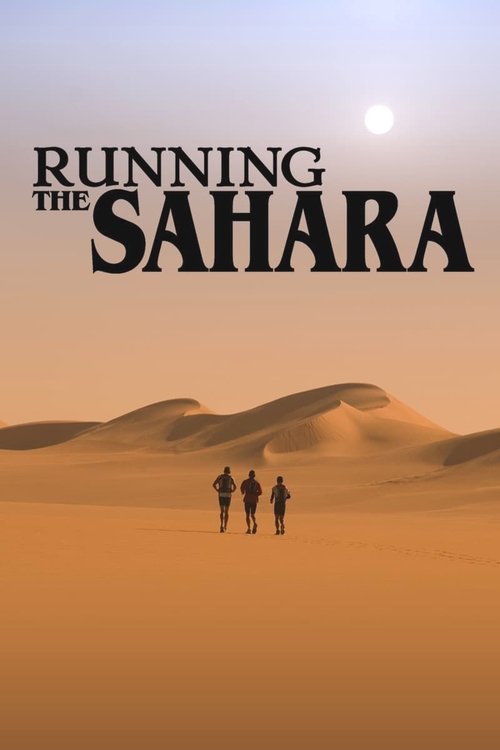
A small film crew tracks three extreme runners across the Sahara desert, capturing their incredible journey on camera, recording this landmark moment in athleticism, in humanitarianism, and in history. The "Running the Sahara" expedition is a documentary film narrated by Academy Award™-winner Matt Damon and directed by Academy Award™-winner James Moll. The "Running the Sahara" documentary explores the physical and emotional impact of this tremendous test of strength and determination. The film's narrative follows the runners on their quest, each step toward the finish line building in great anticipation of answering the question: Can this amazing human feat truly be possible?
2000
2014
2012
2013
2014

2005

2013
2001
No reviews yet. Be the first to share your thoughts on this movie!
Use the rating form above to leave a star rating and optional review.