Six Bears and a Clown
1972
No user ratings available yet
Representation score: 4.5 out of 10
Representation Score
Limited
1976
Director
Oldřich Lipský
Runtime
131 minutes
Average Rating
No ratings yetNew Showbiz Analysis
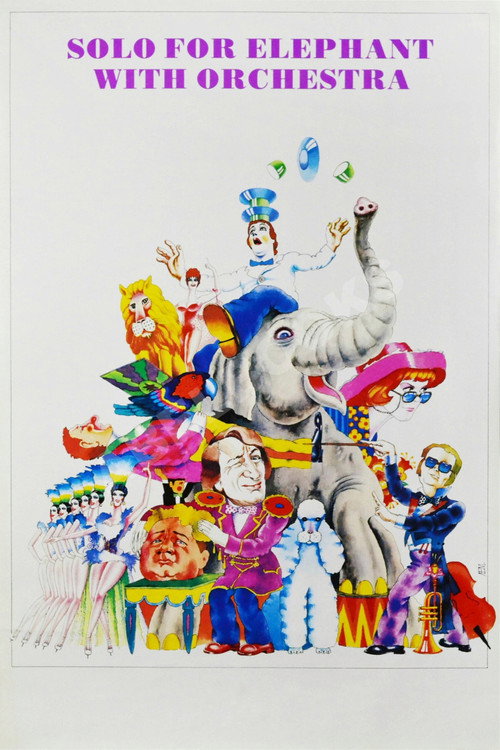
Circus in the Circus is a period-specific musical comedy that emphasizes slapstick humor and professional competition over social commentary. Despite its international setting in Moscow, the narrative focuses on European characters and traditional comedic themes. The film lacks complexity in representing diverse identities and does not challenge social hierarchies, reflecting the typical demographic and character types of mid-1970s Eastern European cinema.
Category Breakdown
The film does not include any characters with non-binary gender identities or same-sex romantic relationships. It follows the traditional comedic structures common in 1970s family films.
Mrs. Whistler is portrayed as a highly capable professional, but her role mainly contrasts with the male protagonist’s academic competitiveness. Her competence highlights the male character’s eccentricities.
The story centers around European characters set in an international environment. There is no significant presence of non-white characters or the use of non-human characters as racial symbols.
Set during the Cold War in Moscow, the film reflects the era’s institutional norms. It presents itself as a light-hearted musical comedy without addressing sociopolitical issues.
The film does not depict any characters with physical, sensory, or neurodevelopmental disabilities. Characters are defined by their professional roles and comedic traits.
Present on Screen
Limited or Absent
Official Synopsis
To Moscow have arrived the participants of the international conference of the zoophilologists and also the international jury which is to elect for the world festival the best performance of the program of Moscow circus. Mrs Whistler (Iva Janzurová), British associate professor, makes her understood with the animals in their language but the Czech professor Ruzicka (Jirí Sovák), though he is capable of using the animals language, prefers teaching the animals the human language. Ruzicka's friend, the poodle Archibald, speaks "in Human" very well. The scientific dispute ends with a bet - if Ruzicka teaches the circus elephant to sing, Mrs Whistler will eat up her hat.
1972
1998
2004
2011
1962
1998
1950
2018
No reviews yet. Be the first to share your thoughts on this movie!
Use the rating form above to leave a star rating and optional review.