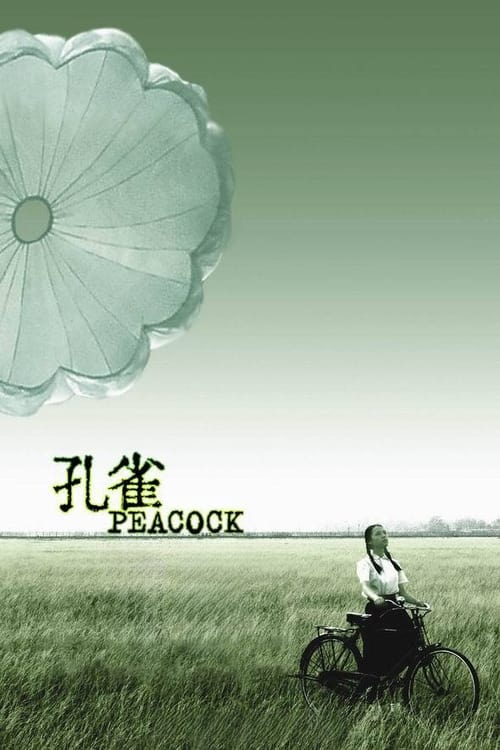
Peacock
2005
No user ratings available yet
Representation score: 6.2 out of 10
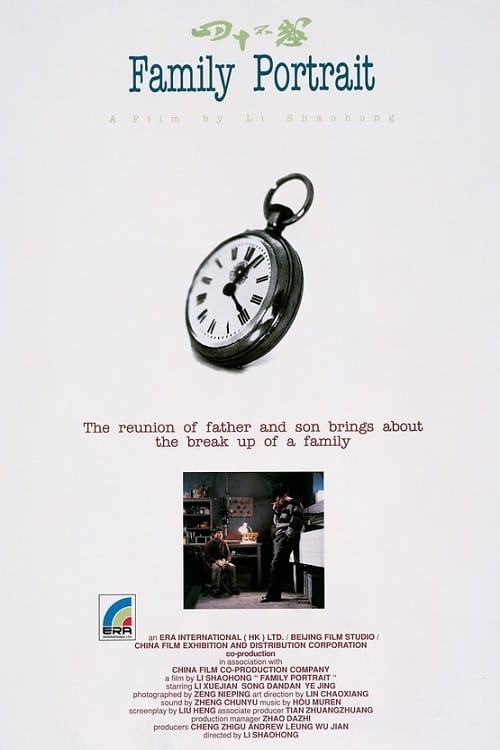
Representation Score
Fair
1992
Director
Li Shaohong
Runtime
89 minutes
Average Rating
No ratings yetNew Showbiz Analysis
Li Shaohong’s work marks a significant shift from rural critiques to the examination of China’s urban middle class. The film succeeds in offering a nuanced, non-Western perspective on the socioeconomic realities of the early 1990s. While the film challenges the notion of a monolithic, stable family, it remains within a relatively conventional framework regarding sexual orientation. The focus is primarily on the breakdown of marriage and the complexities of lineage. Ultimately, the film serves as a realistic portrayal of a society in transition, moving away from idealized domesticity toward a more complex, modernizing social landscape.
Category Breakdown
The film does not include any explicit references to LGBTQ+ characters or non-straight relationships. Instead, it centers on traditional family structures and the complications of extramarital affairs.
The story examines gender roles through the experiences of an opera singer wife and the protagonist's personal struggles. It disrupts the idea of a stable family unit by highlighting the tension between professional and personal life.
The cast is ethnically uniform, reflecting a Chinese cultural perspective. It provides a valuable non-Western viewpoint that exists outside of Western cinematic traditions.
The film critiques rigid social structures and the professional challenges of political compromise. It favors moral relativism and realistic human situations over traditional moral teachings.
There are no characters with physical or neurodivergent disabilities mentioned in the narrative.
Present on Screen
Limited or Absent
Official Synopsis
After laying bare backward village mentalities in Bloody Morning, Li Shaohong turns her attention to China’s urban middle class. Cao is a photographer, married to an opera singer and with an infant son, caught in the usual professional morass of political compromise. His life starts to fall apart when he learns that his ex-wife also bore him a son some months after their divorce – and when the boy turns up looking for his father. Nothing wildly dramatic, just believable people in believable situations. If the ending seems a touch forced, this is nevertheless a sign that ‘Fifth Generation’ cinema is changing and coming to terms with up-to-date realities.
2005

2019
2005
1985
1994
1991
2006
2000
No reviews yet. Be the first to share your thoughts on this movie!
Use the rating form above to leave a star rating and optional review.