
The Dollmaker
2017
No user ratings available yet
Representation score: 1.7 out of 10
Representation Score
Minimal
2014
Director
Ray Sullivan
Runtime
12 minutes
Average Rating
No ratings yetNew Showbiz Analysis
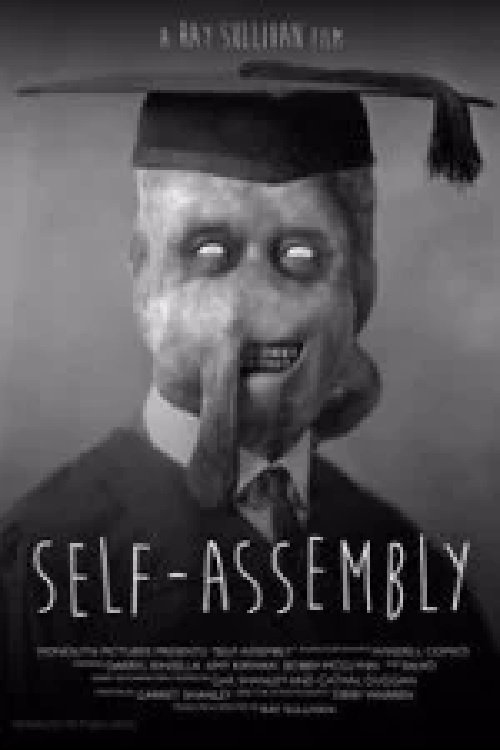
Self-Assembly is a localized horror-mystery that prioritizes the psychological mechanics of grief over social commentary. The narrative is centered around a domestic tragedy involving bereaved parents and a supernatural substitute for their lost child. Because the scope is confined to this specific emotional arc, the film lacks the breadth to explore multiple aspects of identity. It functions as a traditional genre piece rather than a vehicle for systemic critique. Ultimately, the film's focus on universal themes of loss means it does not actively engage with or disrupt established social hierarchies.
Category Breakdown
The film focuses entirely on the loss of a son and the parental relationship. There is no evidence of non-traditional gender identities or same-sex intimacy.
The story centers on a traditional parental unit within a domestic sphere. It does not appear to challenge traditional gender roles or hierarchies.
The available cast list and synopsis provide no information regarding racial composition. Consequently, the presence of diverse ethnic backgrounds cannot be determined.
Themes of grief and the monstrous touch upon universal human experiences. The film lacks explicit anti-Western or secularist narratives.
No specific neurodivergence or physical disabilities are mentioned. The narrative focuses on the psychological trauma of bereavement rather than disability representation.
Present on Screen
Limited or Absent
Official Synopsis
In a self-assembly cabinet, bereaved parents find a monstrous substitute for their dead son.
2017

2000

2014
2015

2014

2021
2016
2024
No reviews yet. Be the first to share your thoughts on this movie!
Use the rating form above to leave a star rating and optional review.