
The Martial Arts Kid
2015
No user ratings available yet
Representation score: 0.6 out of 10
Representation Score
Good
2008
Not RatedDirector
Diana Lee Inosanto
Runtime
95 minutes
Average Rating
No ratings yetNew Showbiz Analysis
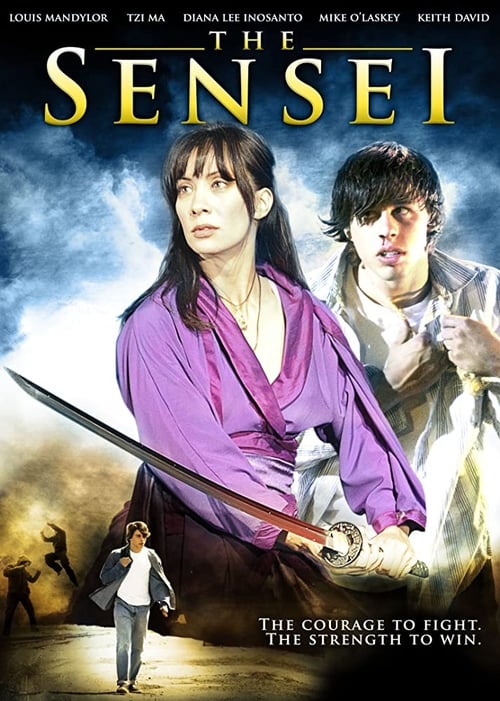
The Sensei leverages the martial arts genre to explore themes of empowerment and personal identity. By focusing on a queer protagonist in a conservative setting, the film offers ability to act to a underrepresented individual facing systemic social resistance. While the film adeptly subverts gender roles through a female mentor, the racial and ethnic dimensions remain secondary to the central conflict of sexual orientation. The narrative effectively employs the setting to critique how entrenched community norms can function as oppressive forces. Ultimately, the film examines self-actualization against institutionalized intolerance, emphasizing the lived experience of a non-straight youth.
Category Breakdown
The film revolves around McClain, a gay teenager dealing with a restrictive social environment. His identity is crucial to his struggles, avoiding the pitfall of including someone from a minority group without giving them real depth.
Karen O'Neil challenges traditional gender roles by serving as a martial arts Sensei. She holds a position of physical authority and mentorship, disrupting conventional gender dynamics.
The narrative tension primarily centers on sexual orientation rather than racial issues. However, the martial arts discipline introduces cultural practices intertwined with the protagonist's development.
A conservative Colorado town serves as a backdrop to critique traditional Western social structures. The community's response to the protagonist highlights an oppressive institutional force.
There are no specific references to physical or neurodivergent disabilities influencing the plot. Physical trauma serves as a catalyst for character development rather than a portrayal of disability.
Present on Screen
Limited or Absent
Official Synopsis
Lonely gay teenager, McClain, struggles to fit in with his classmates in a small, conservative Colorado town. After he's severely beaten at school, Karen O'Neil, a martial arts Sensei, secretly trains him to defend himself. When the town discovers their secret, a series of catastrophic events unfolds.
2015
1986
2021
2003
2011
1992
2007

1998
No reviews yet. Be the first to share your thoughts on this movie!
Use the rating form above to leave a star rating and optional review.