
Don't Look in the Attic
1982
No user ratings available yet
Representation score: 0.8 out of 10
Representation Score
Good
1977
Not RatedDirector
Dino Risi
Runtime
98 minutes
Average Rating
No ratings yetNew Showbiz Analysis
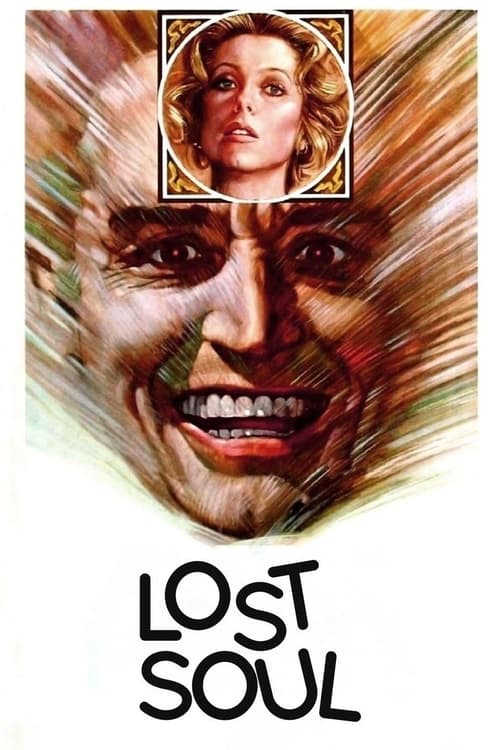
Lost Soul operates as a psychological thriller that questions the idealized Western family model. It replaces domestic stability with a study of systemic dysfunction and moral ambiguity. Although the film does not prominently feature LGBTQ+ or racial diversity, it effectively critiques the rigidity of traditional patriarchal structures. The film's strength lies in its ability to use a deteriorating setting to mirror the decay of the family unit. By depicting the patriarch's authority as a source of unrest rather than strength, it offers a progressive critique of social cohesion.
Category Breakdown
The film centers on family dysfunction and psychological isolation. It does not show any non-straight or non-cisgender identities or same-sex relationships.
The story criticizes male dominance by portraying Fabio as a stern and controlling figure. Elisa's psychological dependence highlights the oppressive nature of his control.
The film depicts a homogeneous European population set in Venice. The cast and narrative focus on the internal dynamics of a specific European family.
The narrative challenges the traditional family structure, presenting the home as a place of secrecy. It emphasizes psychological truth over institutional or religious morality.
The character Berth engages with mental health and social alienation. His madness drives the film's mystery.
Present on Screen
Limited or Absent
Official Synopsis
Bizarre events keep occurring in an old mansion, and it's soon become obvious that something mysterious is up in the attic.
1982

1966
1980

1977

2021

1972

1978
1971
No reviews yet. Be the first to share your thoughts on this movie!
Use the rating form above to leave a star rating and optional review.