Comet Over Broadway
1938
No user ratings available yet
Representation score: 2.0 out of 10
Representation Score
Fair
1933
NRDirector
Lowell Sherman
Runtime
74 minutes
Average Rating
No ratings yetNew Showbiz Analysis
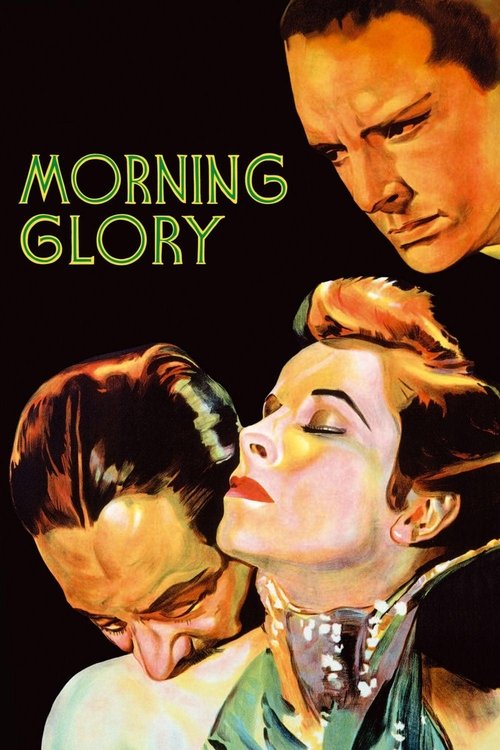
Morning Glory highlights a woman's professional ambition and intellectual labor, breaking away from traditional submissive female roles. However, it remains within the conventional social and racial boundaries of early 20th-century American cinema, lacking diverse representation in race, disability, or LGBTQ+ identities.
Category Breakdown
The film centers on heterosexual romance and professional success, without exploring queer relationships or subtext.
Eva Lovelace's strong professional drive and independence stand out, challenging traditional gender roles.
The film features a predominantly white cast and setting, reflecting the homogeneity of 1930s cinema.
It focuses on the personal costs of success within existing systems, emphasizing romantic ideals over cultural critique.
No visible or invisible disabilities are shown as central to the character arcs, and there is no representation of such issues.
Present on Screen
Limited or Absent
Official Synopsis
Wildly optimistic chatterbox Eva Lovelace is a would-be actress trying to crash the New York stage. She attracts the interest of a paternal actor, a philandering producer, and an earnest playwright. Is she destined for stardom, or will she fade like a morning glory after its brief blooming?
1938

1930

1932
1934

1958
1937
1935
1937
No reviews yet. Be the first to share your thoughts on this movie!
Use the rating form above to leave a star rating and optional review.