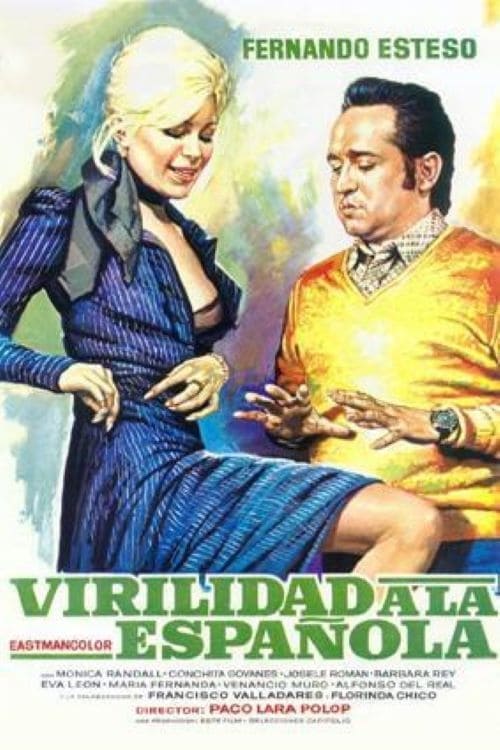
Virilidad a la española
1977
No user ratings available yet
Representation score: 0.8 out of 10
Representation Score
Minimal
1969
Director
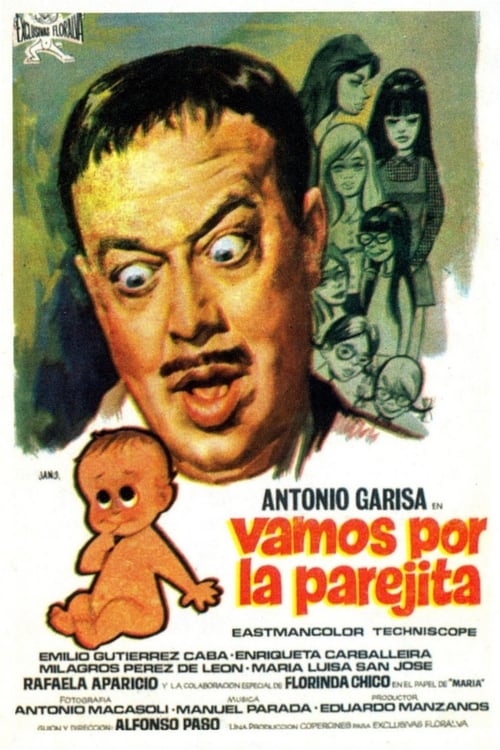
Alfonso Paso
Runtime
80 minutes
Average Rating
No ratings yetNew Showbiz Analysis
Released in 1969, this comedy reflects the conservative Francoist era. The story centers on maintaining a patriarchal lineage, particularly the protagonist's desire to have a male heir to carry on the Fernández name. The film upholds traditional social hierarchies without challenging them. It portrays a world where religious practices and traditional family structures are key to stability. Overall, the work provides insight into the social norms and patriarchal values of 1960s Spain, focusing on a homogeneous domestic struggle.
Category Breakdown
The film does not include any LGBTQ+ characters or stories. The main plot revolves around a traditional family structure focused on having a male heir.
Gender roles are strictly enforced. The protagonist's dissatisfaction with having five daughters emphasizes the importance of masculinity in preserving the family name.
The story focuses on a homogeneous Spanish family. There is no indication of racial or ethnic diversity within the family setting.
The narrative adheres to traditional Catholic values. The protagonist uses prayer to shape his family's future, highlighting religious and patriarchal stability.
There is no information about the depiction of physical or mental disabilities in this film.
Present on Screen
Limited or Absent
Official Synopsis
Antonio Garisa is Juan Fernández Arriaga, a typicall spanish man fifty years ago. He's married and has five girls, but he is unhappy because all he wanted was a boy (in spanish argot, "ir por la parejita" means trying to have a couple of children, girl and boy). He only has women and they have only girls. During the film he prays, he tries to have a boy to give him his surname "Fernández". Garisa is one of the best actors of Spanish Comedy, maybe too understimate because the kind of cinema made in Spain during Franco's government.
1977

1963
1955

1992
1970
1984
1974
1981
No reviews yet. Be the first to share your thoughts on this movie!
Use the rating form above to leave a star rating and optional review.