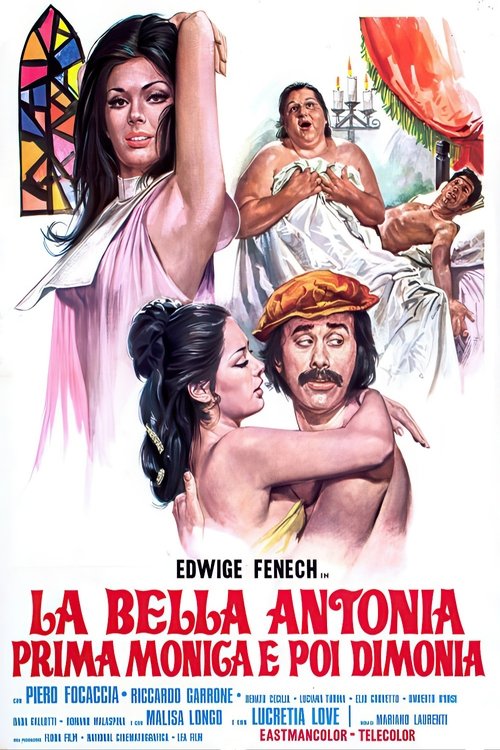
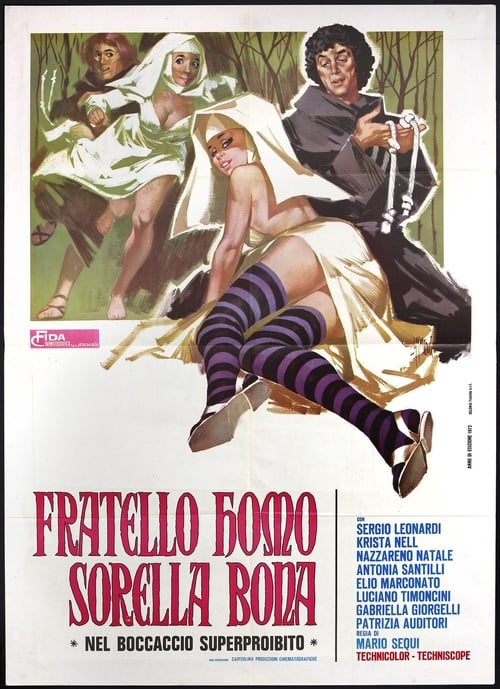
Naughty Nun
1972
No user ratings available yet
Representation score: 3.1 out of 10
Representation Score
Fair
1972
Director
Mario Sequi
Runtime
91 minutes
Average Rating
No ratings yetNew Showbiz Analysis
Roman Scandals '73 is a character-driven comedy that finds its strength in subverting traditional power dynamics. While it adheres to the demographic norms of early 1970s Italian cinema, it offers a progressive thematic layer by focusing on a woman's fight for autonomy against patriarchal control. The film's diversity is uneven, characterized by a strong emphasis on gendered ability to act but a notable absence of racial, ethnic, or LGBTQ+ representation. It serves more as a critique of social and familial hierarchies rather than a diverse ensemble piece. Ultimately, the film provides moderate depth through its situational morality and its challenge to the rigidity of traditional Western institutions.
Category Breakdown
The film does not include any explicitly LGBTQ+ characters or situations. Its focus on a traditional love story results in a low score due to a lack of visible LGBTQ+ representation.
Chiara di Vallefiorita challenges patriarchal authority by rejecting a marriage arranged by her father. She takes control of her own life, positioning herself as a key driver of the story.
The film reflects the homogeneous demographics typical of 1972 Italian society. There is no indication of ethnic diversity or multicultural casting in the main storyline.
The story critiques the transactional nature of wealth-based marriages and restrictive family structures. The monk's role as an ally suggests a nuanced, situational approach to religious authority.
There is no mention of characters with visible or invisible disabilities in the narrative.
Present on Screen
Limited or Absent
Official Synopsis
The young Chiarina di Vallefiorita is forced by her father to marry an old, fat, rich man. With the help ot the monk of a nearby convent, she will escape her fate.
1972
1972
1987
1961
1964
1972
1979
1982
No reviews yet. Be the first to share your thoughts on this movie!
Use the rating form above to leave a star rating and optional review.