
Vai Trabalhar Vagabundo II: A Volta
1991
No user ratings available yet
Diversity score: 5.4 out of 10
1982
Director
Inácio Araújo, Antonio Meliande, Carlos Reichenbach
Runtime
86 minutes
Average Rating
No ratings yetSynopsis
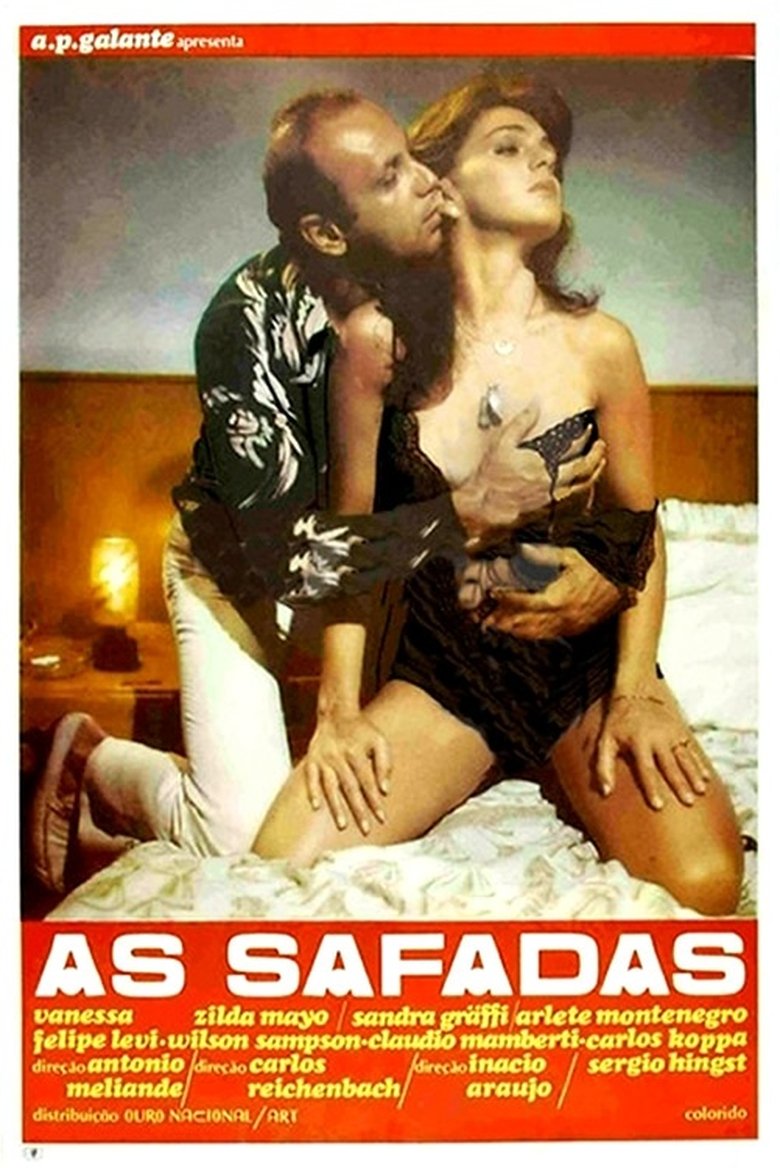
Three stories. 'Rainha do Fliper' (Pinball's Queen) Reginéia is the pinball's queen, exploited by her pimp Giba. Out of the blue, her former boyfriend Tenório comes to the arcade place seeking out Reginéia. 'Uma Aula de Sanfona' (One Class of Accordion) Bank clerk Nanci and her friend Cristina have come from Ribeirão Preto and share an apartment in São Paulo. Nanci has an argument with her lover Valdemar, and goes to her room blaming her upset on the accordian lessons that her neighbor, Durval Pereira, is giving on the floor above, but what is his secret? 'Belinha, a Virgem' (Belinha, the Virgin) The wedding day of the virgin, Belinha is rapidly approaching,. But the wedding is against the will of her fiancé's mother. When her future mother-in-law asks the parochial priest to check whether Belinha is virgin or not, the girl uses her sculptural body to resolve the situation.
Overall Score
Fair
Category Breakdown
LGBTQ+ Representation
The film focuses on traditional romantic conflicts and interpersonal friction. There is no explicit evidence of LGBTQ+ characters or non-heteronormative identities within the narrative.
Gender Representation
Female characters demonstrate complex agency. Belinha uses her physicality to subvert patriarchal religious scrutiny, while Reginéia navigates a high-stakes, exploitative environment to assert her own self-determination.
Racial & Ethnic Diversity
As a Brazilian production, the film offers a localized, non-Western perspective. This cultural framework disrupts the homogeneity often found in globalized media, though specific racial breakdowns are not detailed.
Religious & Cultural Diversity
The narrative critiques traditional institutions and religious authority. By framing the parochial priest as a source of intrusive scrutiny, the film prioritizes situational ethics over idealized morality.
Disability Representation
The available information provides no details regarding characters with visible or invisible disabilities.
Strengths
Areas for Improvement
AI Analysis
As Safadas offers a gritty, multifaceted exploration of social dynamics that challenges mid-century moral expectations. The film succeeds by centering women who must use unconventional or transgressive means to navigate systemic pressures and authority figures. While the work lacks explicit LGBTQ+ or disability-centric narratives, it provides a nuanced look at identity through the lens of power. It replaces idealized versions of family and religion with a realistic portrayal of characters surviving urban dysfunction. Ultimately, the film's strength lies in its subversion of patriarchal and religious control, offering a perspective that prioritizes the complexities of survival over traditional social hierarchies.
1991
1983
1988

2017
1977
1979

2023

1984

2006
1976

2006
1989
No reviews yet. Be the first to share your thoughts on this movie!
Use the rating form above to leave a star rating and optional review.