Vanity
2015
No user ratings available yet
Representation score: 8.1 out of 10
Representation Score
Excellent
2014
UnratedDirector
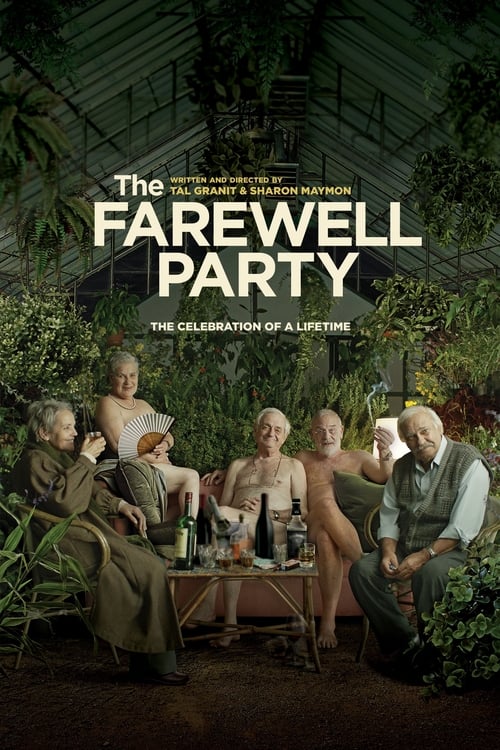
Tal Granit, Sharon Maymon
Runtime
90 minutes
Average Rating
No ratings yetNew Showbiz Analysis
The film offers a progressive look at aging by centering on a queer protagonist and a group of women navigating terminal decisions. It avoids the typical youth-centric portrayal of LGBTQ+ lives, instead providing a nuanced look at elderly queer existence. While the film excels in exploring identity and autonomy, it lacks a broad racial spectrum, focusing instead on a specific regional context. The narrative's strength lies in its subversion of institutional authority and its focus on individual ability to act. Overall, the work provides a sophisticated critique of traditional social and religious hierarchies, replacing them with a framework of situational ethics and personal choice.
Category Breakdown
The film focuses on a lesbian protagonist, exploring her identity within an aging community rather than a youth-centric setting. This approach provides a unique perspective on elderly queer experiences.
The narrative highlights the strength and independence of female characters, emphasizing their roles in making terminal decisions. It challenges traditional gender hierarchies by focusing on women's autonomy.
The film features moderate representation through a localized cultural lens, focusing on interpersonal relationships rather than a broad range of ethnicities.
The story critiques traditional institutions by prioritizing personal autonomy over religious protocols. It challenges state-sanctioned views on life and death through individual choice.
Terminal illness and physical vulnerability are portrayed with ability to act rather than pity. Characters use their declining health to drive deep philosophical and systemic questions.
Present on Screen
Limited or Absent
Official Synopsis
A group of friends at a Jerusalem retirement home build a machine for self-euthanasia in order to help their terminally ill friend. When rumors of the machine begin to spread, more and more people ask for their help, and the friends are faced with an emotional dilemma
2015

2021
2022

2016
2003

2014

2019

2009
No reviews yet. Be the first to share your thoughts on this movie!
Use the rating form above to leave a star rating and optional review.