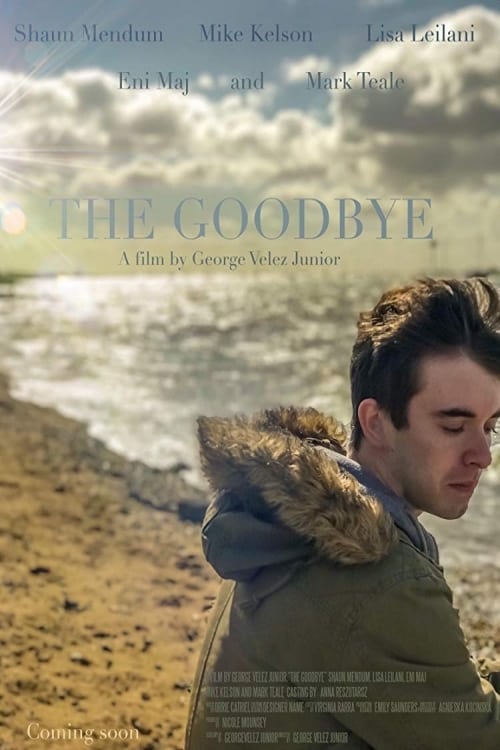
The Goodbye
2018
No user ratings available yet
Representation score: 7.1 out of 10

Representation Score
Good
2009
Director
Johanna Vuoksenmaa
Runtime
101 minutes
Average Rating
No ratings yetNew Showbiz Analysis
One Foot Under is a focused character study that emphasizes the dignity of living with a neurological condition. It succeeds by portraying disability as a central element of identity rather than a mere plot device. The female lead is a strong presence, driving the narrative with her intellect. However, the film lacks diversity in its social scope. The setting and cast reflect a homogeneous Finnish population, with little representation of LGBTQ+ or racial diversity. The narrative remains closely tied to the male protagonist's perspective. Overall, the film prioritizes deep psychological realism over broad demographic representation, creating a specialized portrait of terminal illness.
Category Breakdown
The film focuses on the relationship between Visa and Hanna but does not explicitly address LGBTQ+ identities or dynamics outside of heterosexual norms.
Hanna Manninen plays a key role as the reporter investigating Visa's life, providing intellectual authority and driving the narrative. However, the central conflict remains centered around the male protagonist's experience.
The film is set in Helsinki and reflects a homogeneous Finnish society. There is no indication of racial diversity or ethnic plurality.
The film explores secular themes of death and fragility, focusing on communal emotional structures like support groups rather than strict religious frameworks.
The story centers on a debilitating neurological condition, presenting it as a core part of the protagonist's identity. The main character retains control over how he shares his life story rather than being a passive sufferer.
Present on Screen
Limited or Absent
Official Synopsis
Visa Vuorio, a 35-year old team leader at the Helsinki city gardening department, is suffering from a terminal neurological disease and only has a few months to live. Because of this, he is a member of a therapeutical support group for people suffering from terminal diseases. Visa's life changes when a young female reporter, Hanna Manninen arrives at the support group offering to write a series of articles about Visa's life story.
2018

2021

2003

2016

2014

2001

2021

2022
No reviews yet. Be the first to share your thoughts on this movie!
Use the rating form above to leave a star rating and optional review.