House on the Hill
2012
No user ratings available yet
Representation score: 3.2 out of 10
Representation Score
Limited
2025
Director
Michael Caissie
Runtime
105 minutes
Average Rating
No ratings yetNew Showbiz Analysis
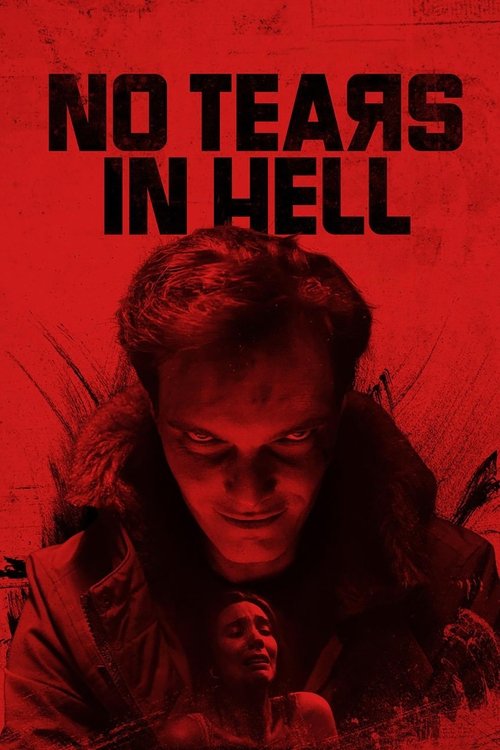
No Tears in Hell is a psychological horror film that focuses on the deconstruction of the domestic sphere. By transforming the home into a site of abduction and cannibalism, the narrative disrupts the expectation of the family as a safe haven. The film achieves its score by challenging social norms and traditional gender roles. It replaces the idealized family cliché with a bleak, predatory ecosystem, though it lacks measurable diversity in terms of race and LGBTQ+ identities. While the film offers a critique of social structures through its true crime framework, it remains limited in its representation of these identities.
Category Breakdown
The film does not include any explicit LGBTQ+ characters or narratives. There are no visible depictions of non-cisgender identities among the cast or in the synopsis.
The story challenges traditional maternal roles by depicting the mother as a driver of violence. This replaces the nurturing role with one of predatory action.
The cast composition suggests a traditional approach to casting. There is no immediate indication of a non-white or non-Anglo-Saxon majority in the characters.
The film challenges cultural norms by portraying the family unit as predatory. It prioritizes a nihilistic worldview over traditional moral or religious ideals.
There is no information regarding the inclusion of characters with visible or invisible disabilities in this production.
Present on Screen
Limited or Absent
Official Synopsis
In the frozen darkness of an Alaskan winter, a mother and son turn their home into a house of nightmares — luring victims into a twisted web of abuse and cannibalism. Based on the terrifying true story of Russian serial killer Alexander Spesivtsev.
2012
1974
2023
2017
2002
2013
2025

2007
No reviews yet. Be the first to share your thoughts on this movie!
Use the rating form above to leave a star rating and optional review.