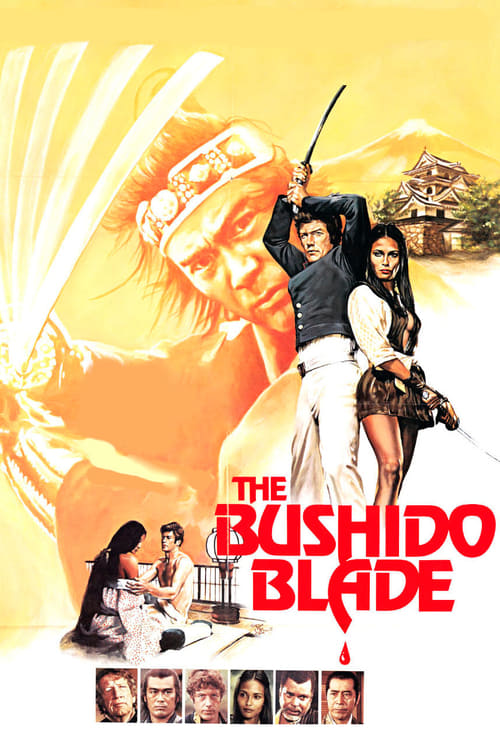
The Bushido Blade
1981
No user ratings available yet
Representation score: 1.1 out of 10
Representation Score
Minimal
1960
Director
Tadashi Sawashima
Runtime
104 minutes
Average Rating
No ratings yetNew Showbiz Analysis
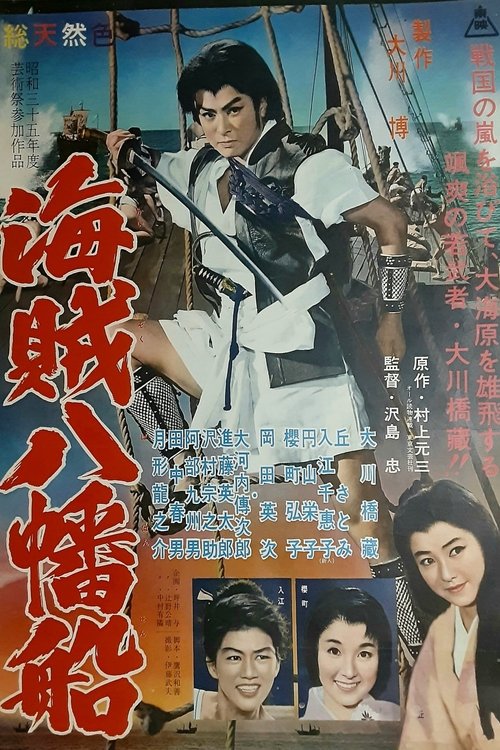
The Pirates is a historical action epic that prioritizes maritime expansion and period-specific combat. Its main strength lies in its broad geographical scope, which moves the story beyond a purely insular Japanese perspective by incorporating various East and Southeast Asian territories. However, the film remains tied to the conventional storytelling of 1960s jidaigeki. The focus on samurai and pirate leadership suggests a narrative driven by traditional power dynamics rather than multi-layered character development. While the international setting offers a window into a multi-ethnic world, the lack of evidence regarding gender subversion or diverse identities keeps the overall diversity score low.
Category Breakdown
The film adheres to traditional action-adventure conventions and does not include any non-straight or non-cisgender identities or narratives that challenge heteronormativity.
The narrative focuses on masculine-coded heroism and swashbuckling samurai. It relies on traditional period archetypes without providing evidence of female empowerment or subverted hierarchies.
The maritime setting spans Japan, China, Korea, Luzon, and Siam. This broad scope suggests potential for multi-ethnic casting and diverse cultural interactions across Asia.
The story explores freedom versus the rigid social structures of war-torn Japan. It operates within the traditional framework of the jidaigeki genre.
No information is available regarding the depiction of physical or neurodivergent characters.
Present on Screen
Limited or Absent
Official Synopsis
Finding more freedom on the high seas than in war-torn Japan, the 'Bahansen' (Pirate ships) based on the Seto Inland Sea during the Warring Period (Sengoku-jidai)sailed to China, Korea, Luzon, and Siam under the Hachiman banner. A battle for supremacy of the seas begins when a strange old shipwreck survivor is brought to Sakai where he divulges a secret that can change the course of history.One of the most literate and well-written films from Toei, this is an exciting tale of swashbuckling samurai on the high seas!
1981

2017
1970
1962
1961
1959
1973
1957
No reviews yet. Be the first to share your thoughts on this movie!
Use the rating form above to leave a star rating and optional review.