La mujer que no tuvo infancia
1957
No user ratings available yet
Representation score: 4.3 out of 10

Representation Score
Fair
1957
ApprovedDirector
Hugo Haas
Runtime
81 minutes
Average Rating
No ratings yetNew Showbiz Analysis
Lizzie (1957) is a psychological drama that deconstructs social conformity and gendered identity. By focusing on a woman with a multifaceted personality, the film offers a nuanced look at how patriarchal communities pathologize female complexity. However, the film is limited by the era's casting and narrative norms. The lack of racial and LGBTQ+ diversity narrows the social scope, making the world feel homogeneous and traditional. Ultimately, the film's strength lies in its empathetic portrayal of mental health and its critique of the oppressive nature of small-town social institutions.
Category Breakdown
The film doesn't include any explicit LGBTQ+ identities or non-straight relationships. It focuses on the protagonist's psychological struggles within a traditional social framework.
Lizzie challenges the traditional female role by showing a complex personality. The story highlights the pressure on women to fit into stable social roles.
The film features a homogeneous cast typical of mid-20th century Western society. There are no significant non-white characters or racial themes in the plot.
The movie criticizes the rigid social norms of small towns and traditional communities. It portrays the judgmental collective as a mechanism for cruelty rather than stability.
The narrative explores the social isolation experienced by someone with neurodivergence. It gives the protagonist a strong role in her fight for autonomy against societal labeling.
Present on Screen
Limited or Absent
Official Synopsis
A psychiatrist treats a woman of three faces: neurotic Elizabeth, wanton Lizzie, and charming Beth.
1957
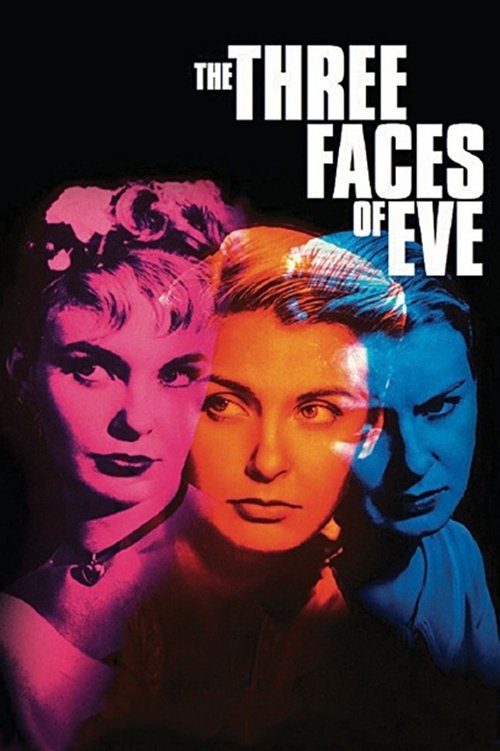
1957

1992
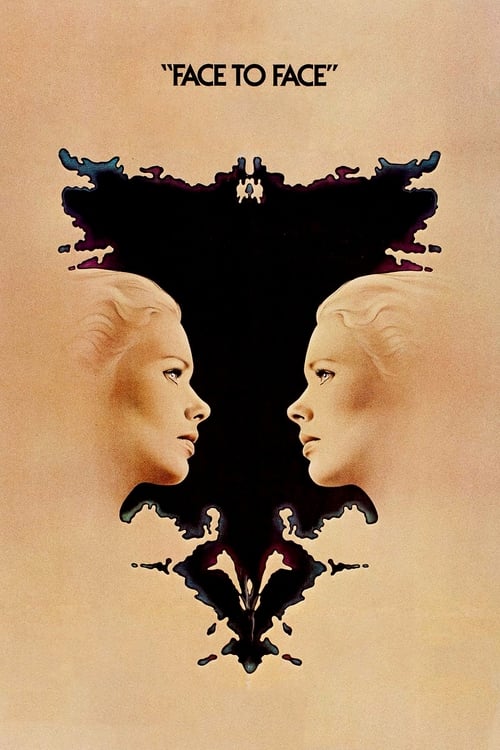
1976
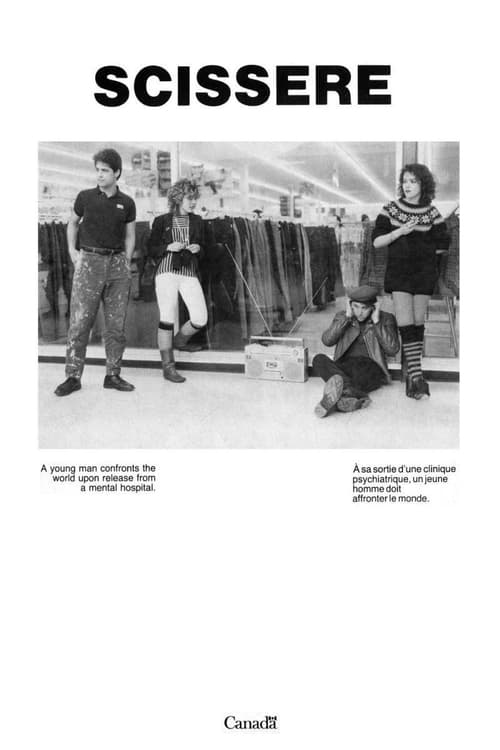
1982

1967

1972
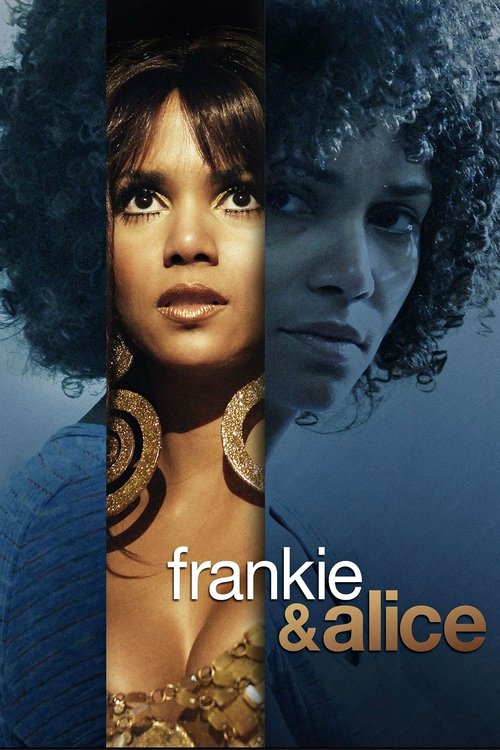
2010
No reviews yet. Be the first to share your thoughts on this movie!
Use the rating form above to leave a star rating and optional review.