
Lizzie
1957
No user ratings available yet
Representation score: 5.6 out of 10
Representation Score
Good
1982
Director
Peter Mettler
Runtime
88 minutes
Average Rating
No ratings yetNew Showbiz Analysis
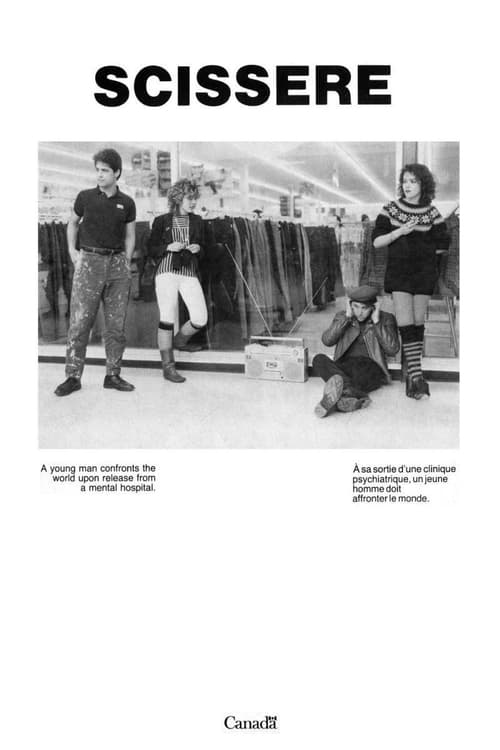
Scissere is an experimental study of consciousness that prioritizes psychological subjectivity over broad social representation. Its primary strength lies in its focus on neurodivergent experience and the deconstruction of a cohesive reality. While the film offers a platform for exploring mental health, it lacks overt markers of demographic diversity. The narrative structure suggests a postmodernist view of identity, yet it remains silent on explicit identity politics or the way different parts of someone's identity overlap. Ultimately, the film functions as a character-driven drama where the protagonist's internal state takes precedence over a diverse cast or explicit social critiques.
Category Breakdown
The film focuses on a protagonist's dissociative episodes and fragmented identity. It does not include explicit LGBTQ+ character arcs or critiques of the assumption that everyone is straight or cisgender.
The premise of inhabiting different lives suggests a potential fluidity of identity. However, the film lacks specific data regarding the gender or power dynamics of the characters encountered.
The narrative appears to prioritize the internal, subjective experience of a single protagonist. There is no indication of a diverse or non-Anglo-Saxon majority cast.
The film explores mental health and the deconstruction of a singular reality. This focus on subjective truth challenges the stability of traditional social institutions and Western norms.
The story centers on a person navigating life after institutionalization. This gives real power to a neurodivergent character, using mental health as the primary lens of perception.
Present on Screen
Limited or Absent
Official Synopsis
A recently released mental patient imagines himself living the lives of three different people he randomly encounters.
1957
1974

1968
1987
2006
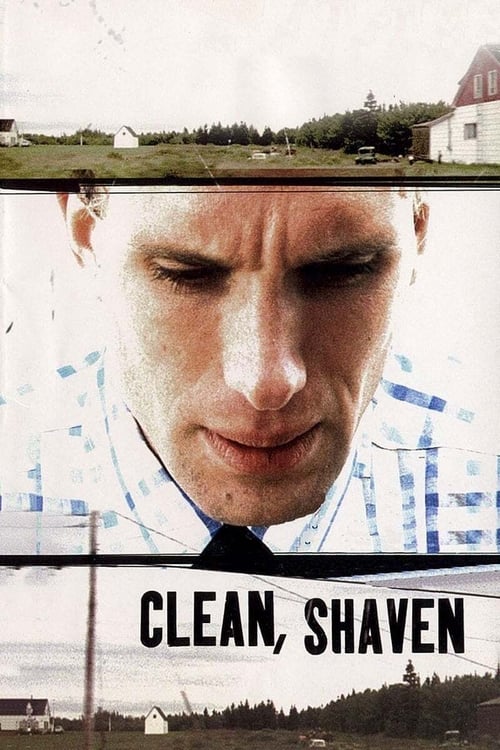
1995
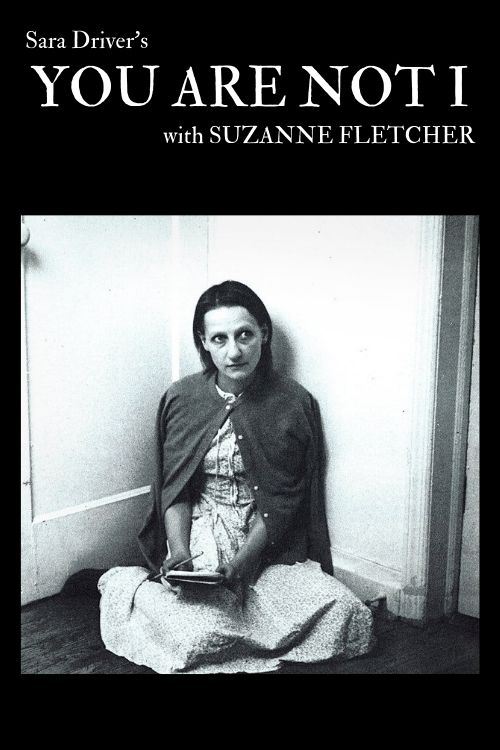
1981
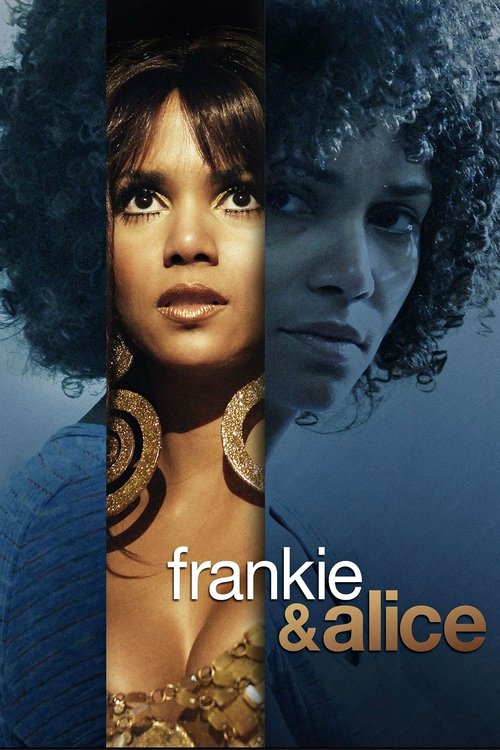
2010
No reviews yet. Be the first to share your thoughts on this movie!
Use the rating form above to leave a star rating and optional review.