Khelein Hum Jee Jaan Sey
2010
No user ratings available yet
Representation score: 3.2 out of 10
Representation Score
Limited
1981
Director
Manoj Kumar
Runtime
187 minutes
Average Rating
No ratings yetNew Showbiz Analysis
Kranti is a powerful piece of post-colonial cinema that successfully disrupts Eurocentric historical clichés. By centering the ability to act of the colonized, it transforms the struggle for independence into a sophisticated framework of indigenous empowerment. However, the film remains tethered to traditional cinematic hierarchies. The reliance on male-driven narratives and the absence of LGBTQ+ representation reflect the period's social constraints and conventional genre expectations. Ultimately, the film's strength lies in its aggressive critique of systemic oppression. It replaces the 'civilizing mission' cliché with a celebration of diverse national identity and collective resistance.
Category Breakdown
The film adheres to traditional social constraints of the historical epic genre. It focuses on heterosexual and cisgender relationships, offering no visibility for LGBTQ+ identities.
Men play leading roles, while women often serve as symbolic representations of the Motherland. Female characters show resilience but mostly act as catalysts for male revolutionary arcs.
The narrative excels by centering the Indian struggle against the British Raj. It utilizes diverse regional and religious identities to construct a unified front against colonial hegemony.
The film serves as a profound critique of Western imperialist institutions. It frames the struggle for independence as a moral imperative, prioritizing national liberation over colonial authority.
There is no significant evidence regarding the portrayal of visible or invisible disabilities within the narrative.
Present on Screen
Limited or Absent
Official Synopsis
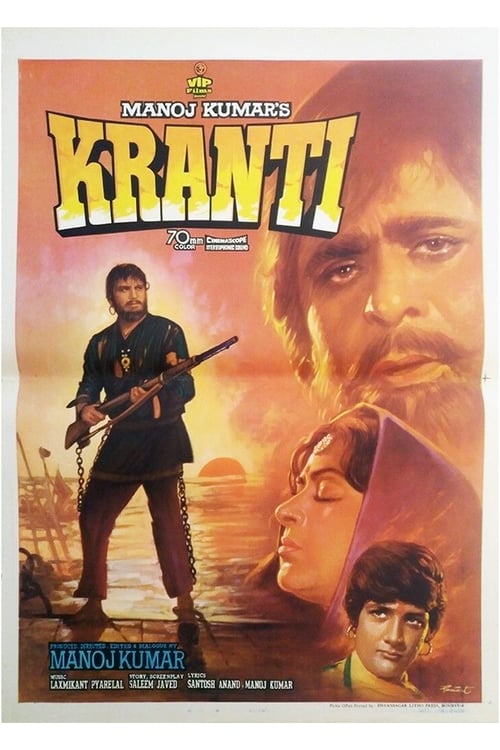
The film takes place in 19th Century British India and is the story of the fight for independence from the British in the years spanning from 1825 to 1875. It tells the story of two men who led the war against British Rule, Sanga and Bharat both of whom call themselves Kranti.
2010
1979
1953
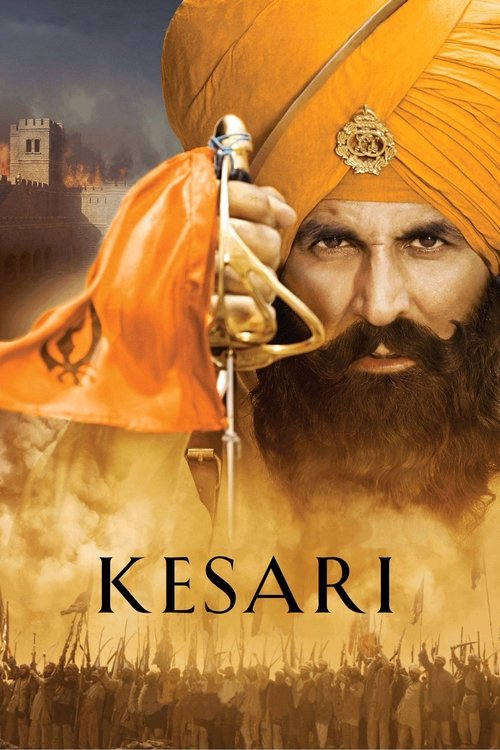
2019

2022
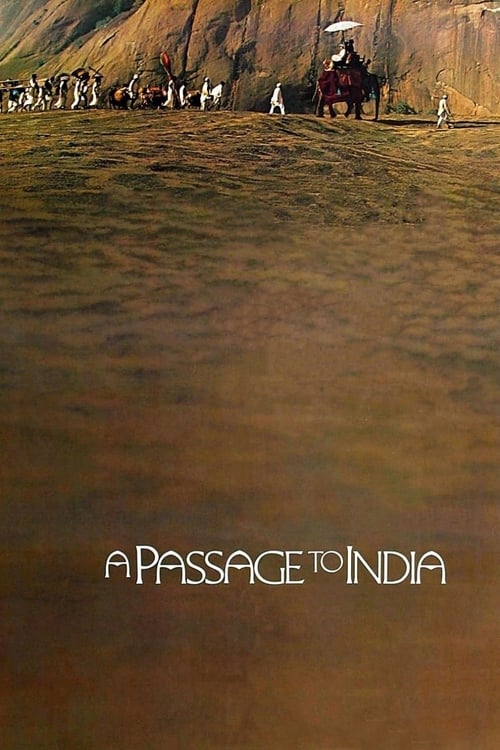
1984
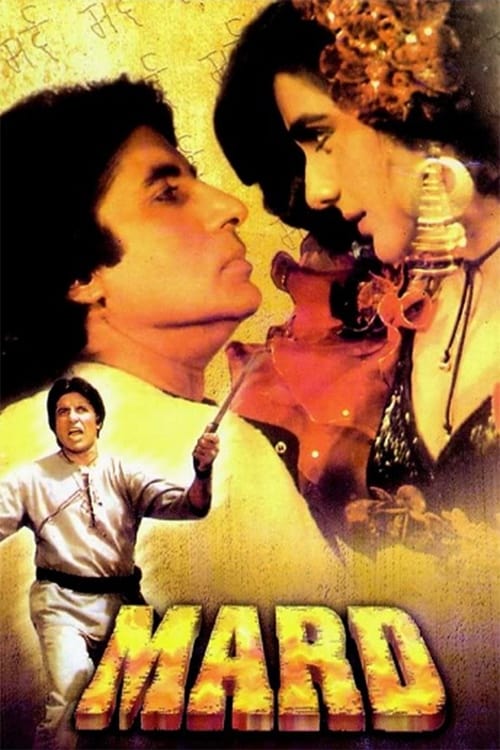
1985
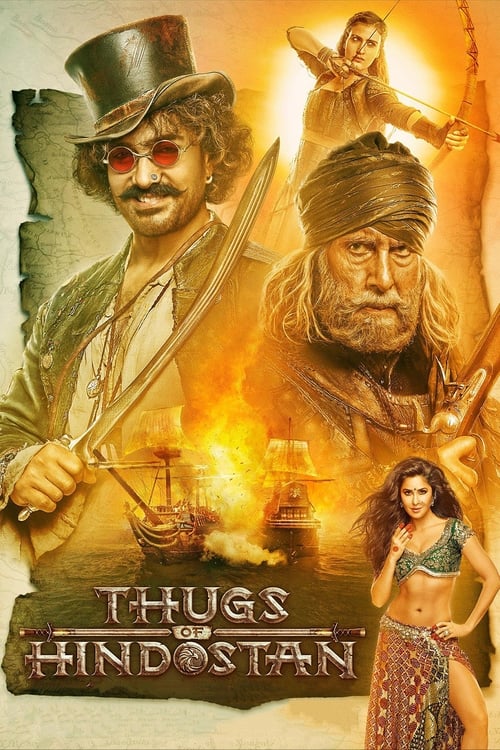
2018
No reviews yet. Be the first to share your thoughts on this movie!
Use the rating form above to leave a star rating and optional review.