
God of Love
2010
No user ratings available yet
Representation score: 1.2 out of 10
Representation Score
Fair
2014
Not RatedDirector
Luke Matheny
Runtime
100 minutes
Average Rating
No ratings yetNew Showbiz Analysis
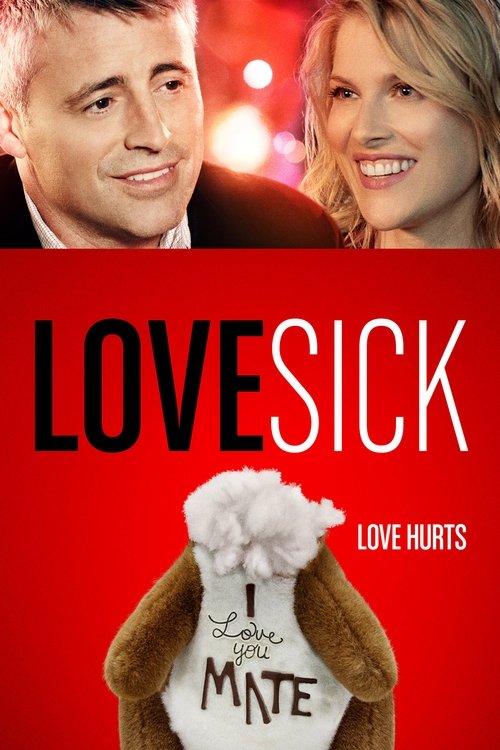
Lovesick is a traditional coming-of-age short film that relies heavily on established cinematic clichés. It serves as a focused exploration of adolescent romantic anxiety rather than a vehicle for challenging societal norms. The film lacks the intention to challenge conventional social structures. By sticking to standard romantic comedy frameworks, it misses opportunities to offer meaningful diverse perspectives or characters who reflect more than one aspect of diversity. Ultimately, the work remains within a safe, homogeneous space, prioritizing a narrow character study over broader engagement with diverse identities or systemic critiques.
Category Breakdown
The film centers around a heterosexual romance and does not include any representations of same-sex relationships or non-binary gender identities.
The story revolves around a male protagonist navigating a typical courtship scenario. His emotional instability adds complexity, but the narrative remains focused on the male perspective of romantic longing.
The cast is primarily composed of white adolescents, reflecting a homogeneous social environment without intentional diversity or blending of different ethnicities.
The narrative emphasizes personal emotional experiences and does not engage with broader cultural or religious critiques. It does not address anti-Western themes or offer critical views of traditional institutions.
The film explores mental health through the protagonist's described psychosis. However, it is unclear whether this portrayal is meant to represent a genuine neurodivergent condition or is used as a comedic exaggeration of social anxiety.
Present on Screen
Limited or Absent
Official Synopsis
The story of Charlie Darby, who has everything going for him: a great job, friends, family, the whole package. The one thing Charlie doesn't have is love, because every time he gets close, he goes clinically insane. When he meets the perfect girl, Charlie must overcome his psychosis to claim his chance at true love.
2010

2007

2011
2019

2014
2005
2012

2007
No reviews yet. Be the first to share your thoughts on this movie!
Use the rating form above to leave a star rating and optional review.