Lovesick
2014
No user ratings available yet
Representation score: 4.5 out of 10
Representation Score
Fair
2011
Director
Rocky Jo
Runtime
90 minutes
Average Rating
No ratings yetNew Showbiz Analysis
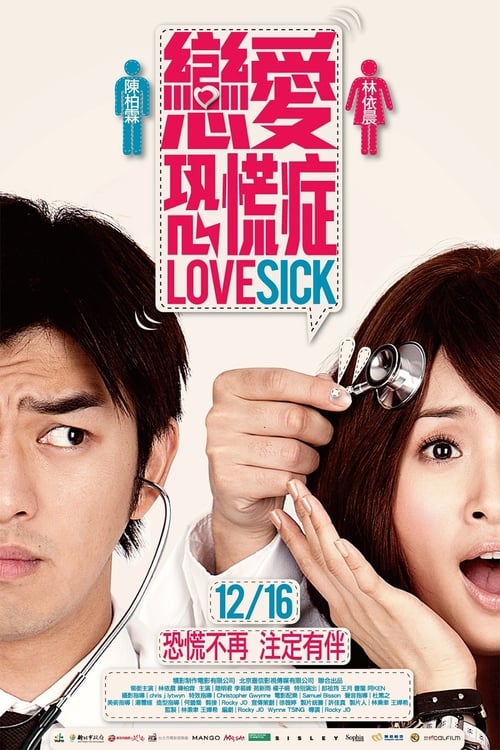
Lovesick operates strictly within the traditional parameters of the romantic comedy genre. The narrative structure prioritizes conventional clichés and straight-centered structures, offering very little disruption to established social or gender hierarchies. While the protagonist demonstrates individual ability to act through her skepticism and active pursuit of the truth, the film does not engage with the complexities of multi-layered identity politics. The themes remain focused on personal interpersonal relationships rather than systemic critique. Ultimately, the work functions as a standard genre piece that adheres to domestic market expectations without venturing into deeper social or cultural deconstruction.
Category Breakdown
The story follows a heterosexual relationship between the female protagonist and a male doctor. There are no visible queer characters or critiques of the assumption that everyone is straight or cisgender.
The film centers on a female protagonist's journey and a male lead's perceived perfection. While the female lead takes control through her skepticism, the story relies on conventional gendered clichés.
As a regional production, the film features a predominantly East Asian cast. It stays within its specific cultural context without presenting a multicultural casting approach.
The plot focuses on individual emotional healing and romantic fulfillment. It lacks discernible critiques of social, institutional, or secular hierarchies.
The protagonist's 'love phobia' serves as a narrative catalyst for romantic tension. However, it lacks a nuanced exploration of mental health or neurodivergence.
Present on Screen
Limited or Absent
Official Synopsis
Liang Ruoqing is a girl who, after being lied to and dumped by her ideal high-school boyfriend Ai Ren, develops love phobia and vows to never fall in love again. However, she meets a handsome doctor Lu Zhehan at her grandfather's hospital. Lu Zhehan seems to be the perfect guy but since she doesn't believe in "perfect" anymore, she thinks that he is too good to be true. Her new journey begins when she tries to show to all of the women that this doctor is not as good as everyone thinks he is, but fate is playing a trick on her. The more she tries to uncover his hidden evil nature, the more she discovers that he may be the right guy to cure her love phobia.
2014
2015
2011
2008
2006
2008

2019
2007
No reviews yet. Be the first to share your thoughts on this movie!
Use the rating form above to leave a star rating and optional review.