Army of Crime
2009
No user ratings available yet
Representation score: 6.0 out of 10
Representation Score
Good
2003
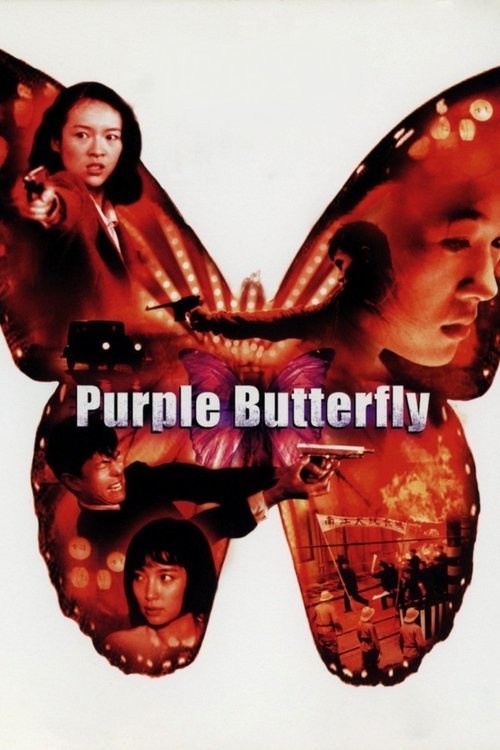
RDirector
Lou Ye
Runtime
127 minutes
Average Rating
No ratings yetNew Showbiz Analysis
Purple Butterfly disrupts conventional cinematic narratives by focusing on a volatile same-sex relationship, making non-traditional identities central to the plot. The film excels in exploring deep themes of obsession and identity through a queer-centric lens. Director Lou Ye emphasizes a gritty, handheld realism that prioritizes the internal lives of the female protagonists. While the film shines in gender and LGBTQ+ representation, its specific historical and regional context limits its broader racial and cultural scope.
Category Breakdown
The film focuses on a passionate, obsessive relationship between two women, making same-sex intimacy the main driver of the story.
Women's independence and desires are highlighted, with the protagonists' internal lives and autonomy taking precedence over their relationships to male characters.
The film features a predominantly Chinese cast and avoids Western stereotypes, providing a genuine and non-Western representation of East Asian identity.
The story explores personal survival and the psychological impact of systemic conflict through a moody, urban setting, favoring subjective ethics over prescribed patriotism.
There is no significant evidence regarding the portrayal of visible or invisible disabilities within the film.
Present on Screen
Limited or Absent
Official Synopsis
Ding Hui is a member of Purple Butterfly, a powerful resistance group in Japanese occupied Shanghai. An unexpected encounter reunites her with Itami, an ex-lover and officer with a secret police unit tasked with dismantling Purple Butterfly.
2009
1959
1975

2010
1961
2021
1991
1959
No reviews yet. Be the first to share your thoughts on this movie!
Use the rating form above to leave a star rating and optional review.