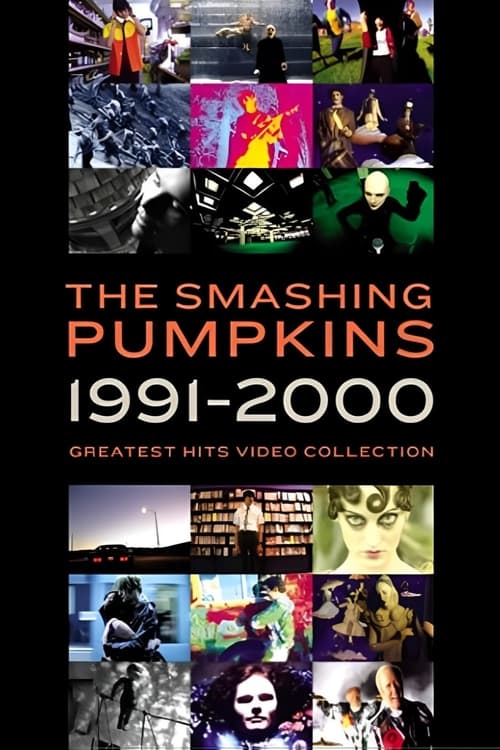
The Smashing Pumpkins - Greatest Hits Video Collection
2001
No user ratings available yet
Representation score: 6.8 out of 10
Representation Score
Good
2001
Director
Richard Heslop, Tim Pope
Runtime
68 minutes
Average Rating
No ratings yetNew Showbiz Analysis
The collection excels at challenging conventional gender and social norms through surrealism and androgyny. By focusing on mood and psychological abstraction, the videos avoid traditional narrative hierarchies. However, the work lacks depth in terms of racial and ethnic diversity. It relies more on metaphorical representations rather than authentic portrayals of disability.
Category Breakdown
The videos use androgyny and non-traditional aesthetics to challenge assumptions about gender. Though the romantic narratives are abstract, the consistent use of queer-coded imagery subverts traditional gender presentations.
The creative direction focuses on psychological depth rather than traditional gender roles. Characters are presented as surreal archetypes that emphasize vulnerability over stable masculine figures.
The visual catalog reflects a homogeneous demographic typical of the late 20th-century UK alternative scene. There is little evidence of intentional diverse casting or ethnic representation.
The work embraces a postmodern, secular approach that prioritizes personal morality over institutional values. Themes of melancholic existentialism challenge traditional social cohesion and religious frameworks.
Surrealism and distorted perspectives are used to symbolize mental health or altered consciousness. However, these elements serve more as stylistic choices than as authentic portrayals of lived disability.
Present on Screen
Limited or Absent
Official Synopsis
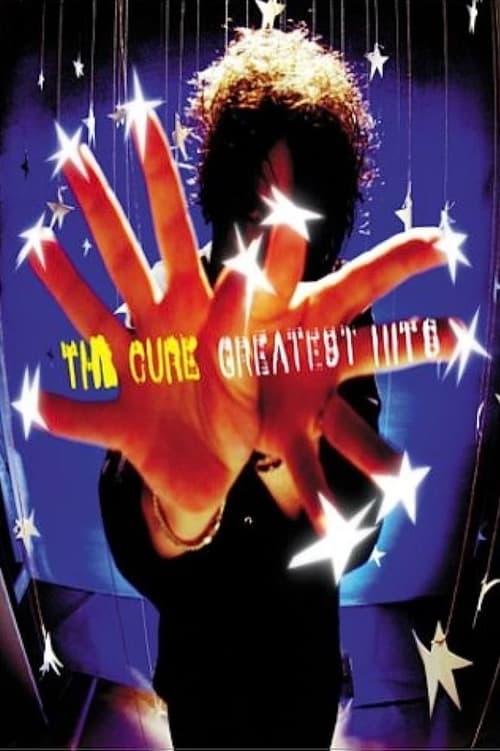
Greatest Hits is a 2001 album by The Cure. The band's relationship with longtime label Fiction Records came to a close, and The Cure were obliged to release one final album for the label. Robert Smith agreed to release a greatest hits album under the condition that he could choose the tracks himself.
2001

1991
2003

2000
1987

2005
1998
2002
No reviews yet. Be the first to share your thoughts on this movie!
Use the rating form above to leave a star rating and optional review.