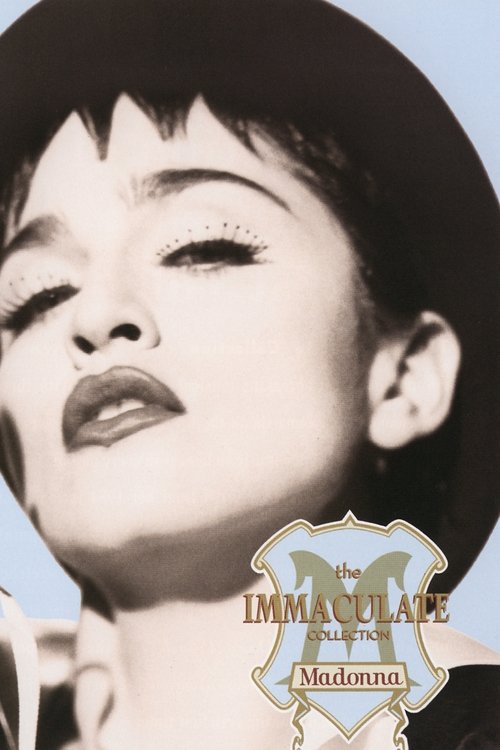
Madonna: The Immaculate Collection
1990
No user ratings available yet
Representation score: 7.1 out of 10
Representation Score
Fair
1990
UNRATEDDirector
Greg Gold, Peter Israelson, S.A. Baron, Ralph Ziman, David Kellogg, Peter Lippman
Runtime
41 minutes
Average Rating
No ratings yetNew Showbiz Analysis
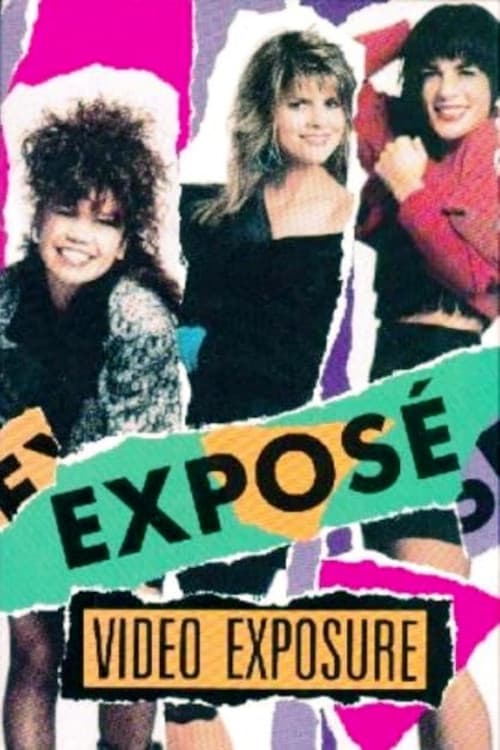
Exposé: Video Exposure serves as a promotional retrospective of the Miami-based trio during their commercial peak. The work functions through the visual symbols of music videos and interpersonal interviews rather than a structured narrative. While the collection centers on female performers, it remains tied to the commercialized depictions of femininity prevalent in the late 1980s. The representation is a product of its era, prioritizing polished pop aesthetics over social subversion. Ultimately, the work reflects the mainstream frameworks of the period. It provides visibility for the central artists but lacks the multi-layered approach or intentional diversity found in modern media.
Category Breakdown
The collection follows the conventions that assume everyone is straight or cisgender, focusing on romantic themes typical of the late 1980s. Tracks like 'Seasons Change' adhere to conventional love stories without showing same-sex relationships.
The trio of Jeanette, Ann, and Gioia highlights women's ability to drive the story. They are the main subjects of desire, reflecting the era's stylized femininity.
The group's Miami roots suggest multicultural influence, yet the visual presentation follows a polished, mainstream pop aesthetic. There is no specific evidence of diverse casting in supporting roles.
Themes focus on individual romantic experiences and pop stardom. The work celebrates an aspirational lifestyle rather than offering broader socio-political narratives or critiques.
There is no discernible evidence regarding the inclusion or portrayal of characters with physical or neurodivergent disabilities within this music video compilation.
Present on Screen
Limited or Absent
Official Synopsis
A collection of music videos from 1986-1990 from the trio based in Miami - Exposé. The songs on this video are taken from Exposé's first two albums and features outtakes and interviews with Jeanette, Ann & Gioia. 1. Come Go With Me 2. Point Of No Return 3. Let Me Be The One 4. Seasons Change 5. What You Don't Know 6. When I Looked At Him 7. Tell Me Why 8. Your Baby Never Looked Good In Blue
1990
1981
1995
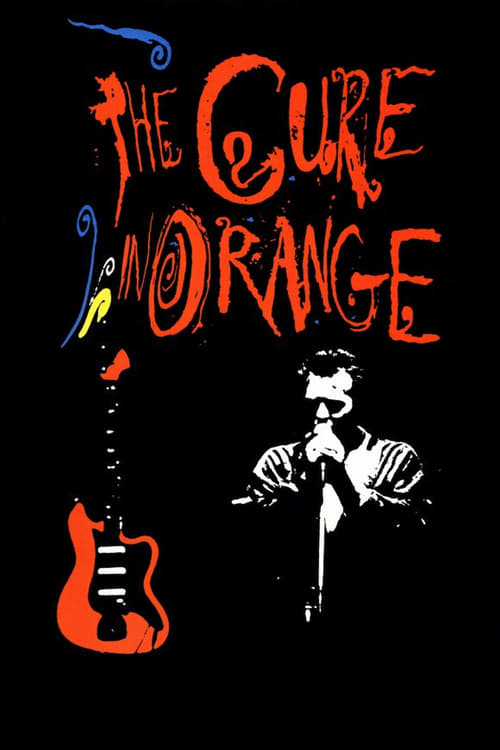
1987
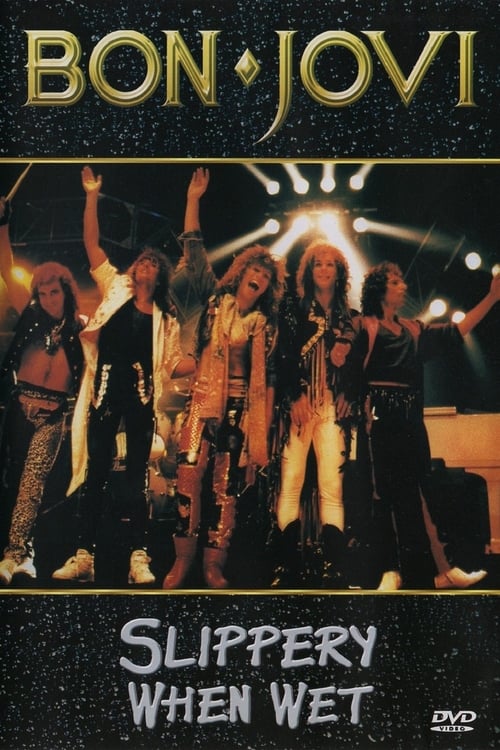
1987
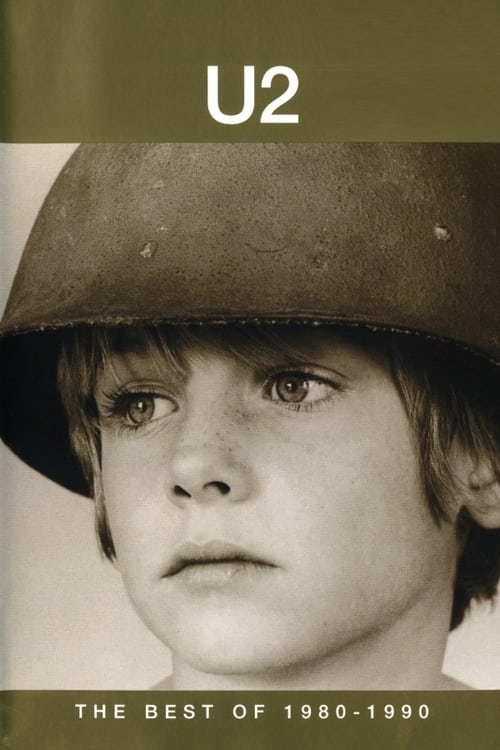
1998
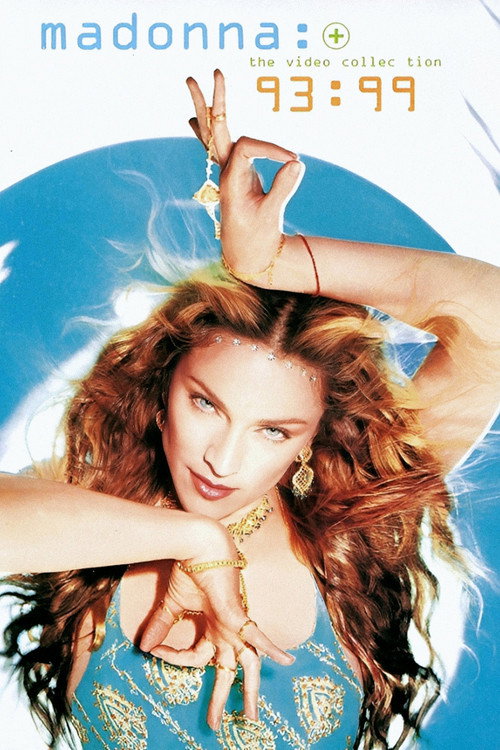
1999
2003
No reviews yet. Be the first to share your thoughts on this movie!
Use the rating form above to leave a star rating and optional review.