They Go Boom!
1929
No user ratings available yet
Representation score: 1.6 out of 10
Representation Score
Minimal
1935
ApprovedDirector
James Parrott
Runtime
20 minutes
Average Rating
No ratings yetNew Showbiz Analysis
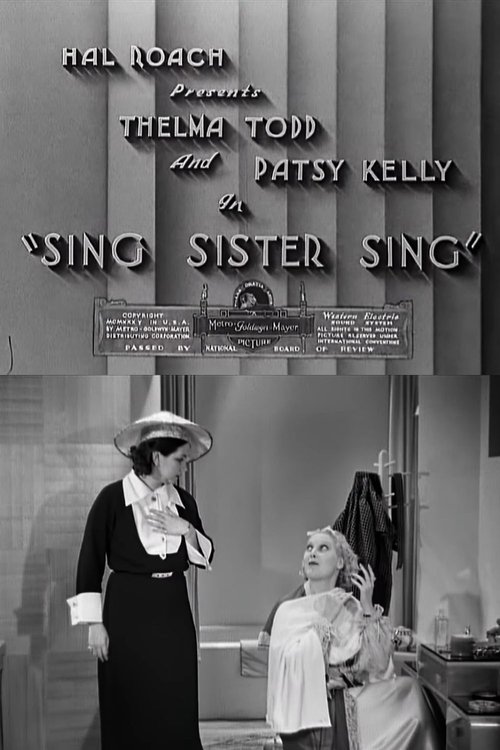
The film presents a self-contained domestic world where two women manage their own household. There is no romantic subplot, no male authority figures, and no external community conflict. The humor derives from the friction of proximity and the absurdity of the rules they impose on each other. The representation is strictly limited to the two leads. The world is all-white and entirely female-focused. Traditional gender roles are bypassed in favor of a roommate dynamic that treats domestic management as the central professional and personal challenge. The plot revolves entirely around the practical and interpersonal challenges of sharing a small space. Thelma establishes house rules, including singing to manage anger, while Patsy adjusts to limited closet space and a sleepwalking roommate.
Category Breakdown
No same-sex romance or non-heterosexual identity is depicted. The film centers on two female roommates sharing a hotel suite. No intimacy or implied relationships exist between the characters.
Two women drive the plot as roommates navigating shared domestic space. Their dynamic focuses on traditional domestic cooperation and minor friction. Professional or political power is not part of their interaction.
The cast consists of Thelma Todd and Patsy Kelly. No non-white characters appear in the provided credits or synopsis. The on-screen world is entirely white.
The story treats shared living and friendship as the primary cultural value. Traditional family structures are absent, replaced by a chosen domestic unit of two women. The focus remains on interpersonal logistics.
No characters are depicted with physical, sensory, or cognitive disabilities. The sleepwalking incident is a temporary behavioral quirk. It does not constitute a disability narrative.
Present on Screen
Limited or Absent
Official Synopsis
At a residence hotel, Patsy is moving in with Thelma. Thelma has prepared some rules, including singing whenever one feels quarrelsome or angry. Although Thelma tells Patsy that they'll share everything, there's precious little closet or drawer space for Patsy's clothes, little room to maneuver around Thelma in the bathroom, and then a sleepless night for Patsy when Thelma goes sleepwalking. Can they share and share alike, or will Patsy keep on singing?
1929

1933
1944

1929

1933
1939
1933
1933
No reviews yet. Be the first to share your thoughts on this movie!
Use the rating form above to leave a star rating and optional review.