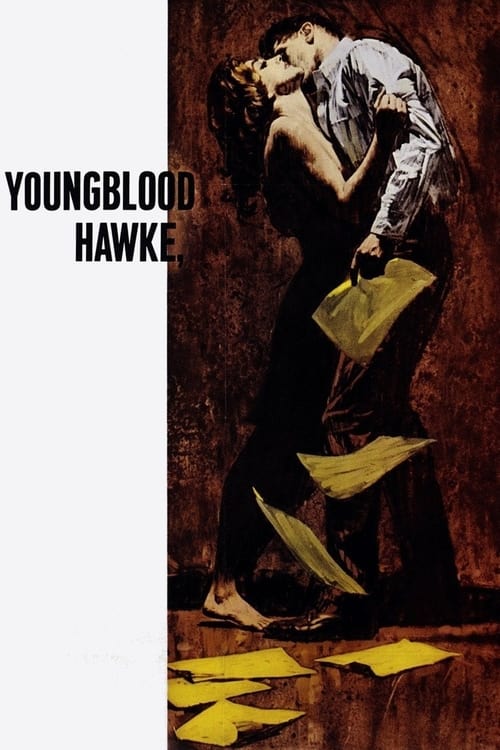
Youngblood Hawke
1964
No user ratings available yet
Representation score: 1.0 out of 10
Representation Score
Minimal
1961
PGDirector
Philip Dunne
Runtime
114 minutes
Average Rating
No ratings yetNew Showbiz Analysis
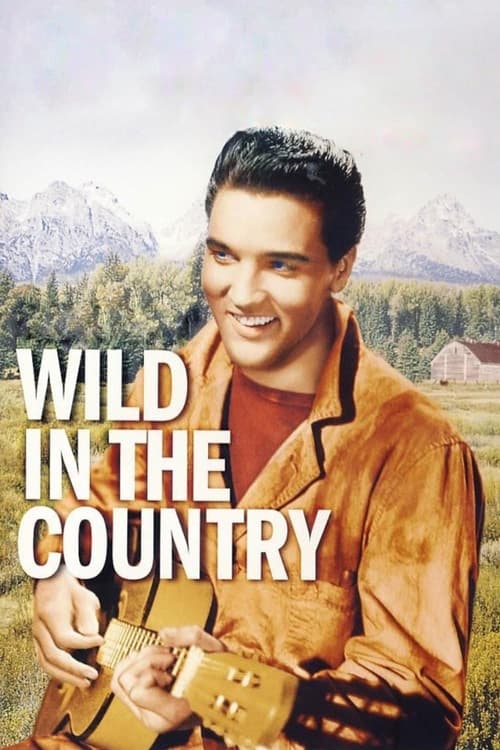
Wild in the Country is a mid-century melodrama that prioritizes traditional storytelling over social disruption. The film focuses on an individual's struggle with social stability, reinforcing established norms of gender, race, and social order. The production adheres to the conservative social hierarchies of 1961, avoiding challenges to the status quo.
Category Breakdown
The film does not depict any LGBTQ+ identities or same-sex relationships. It assumes that all characters are straight and cisgender.
The story centers on the male protagonist's journey with authority figures. Female characters play supporting roles that revolve around the male experience, rather than driving the plot themselves.
The cast is mostly white and lacks diversity. There are no significant portrayals of different races or ethnicities.
The story focuses on personal redemption and reintegration into a structured society. It emphasizes traditional family structures without critiquing Western institutions.
There are no prominent depictions of physical or neurodivergent disabilities. The protagonist's struggles are framed as temperament issues rather than mental health concerns.
Present on Screen
Limited or Absent
Official Synopsis
A troubled young man discovers that he has a knack for writing when a counselor encourages him to pursue a literary career.
1964
1965
1963
1948

2011
1963

1948
1972
No reviews yet. Be the first to share your thoughts on this movie!
Use the rating form above to leave a star rating and optional review.