Jean-Jacques
2005
No user ratings available yet
Representation score: 4.3 out of 10
Representation Score
Good
2021
Director
Benoît Pilon
Runtime
125 minutes
Average Rating
No ratings yetNew Showbiz Analysis
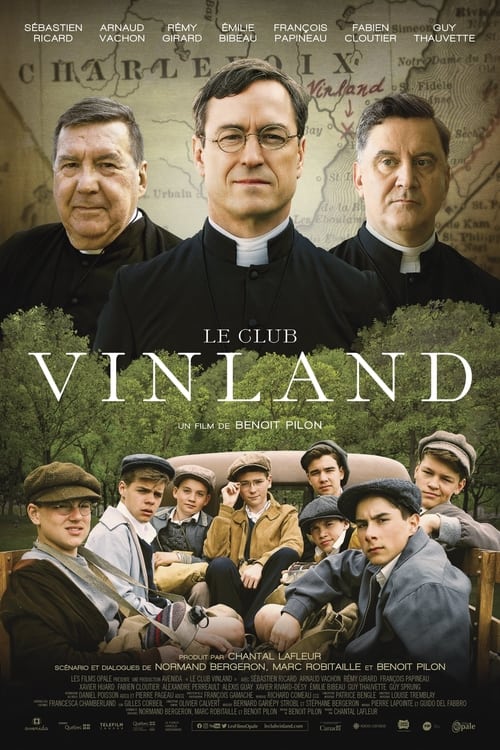
The Vinland Club is a period drama that focuses on the tension between individual intellectual curiosity and rigid institutional dogma. It uses the setting of a 1940s Quebecois boys' college to examine how unconventional mentorship can disrupt established patriarchal and religious hierarchies. While the film lacks modern identity politics or diverse racial representation, it finds progressive depth in its critique of systemic authority. The narrative centers on the ability to act of students navigating social and economic pressures, particularly through the lens of academic struggle and non-traditional learning.
Category Breakdown
The film does not explicitly depict LGBTQ+ identities or relationships that challenge the assumption that everyone is straight. This absence reflects the social constraints of the 1940s institutional setting.
The story challenges traditional masculine hierarchies within a religious congregation. It explores how young men like Émile navigate gendered expectations regarding labor, intellect, and authority.
The cast reflects the historical homogeneity of 1940s Quebec. While Viking archaeology introduces themes of migration, there is no significant non-white representation in the primary setting.
The narrative critiques the Catholic Church and rigid mid-20th-century educational systems. It prioritizes secular inquiry and historical truth over the strict religious orthodoxy of the era.
Émile’s academic struggles suggest a focus on neurodivergence or learning differences. The film grants him real power by addressing these challenges through non-traditional, mentorship-based pedagogical methods.
Present on Screen
Limited or Absent
Official Synopsis
Boys' college in eastern Quebec at the end of the 1940s. Brother Jean is not a teacher like the others. He wants to interest his students in the subject and to achieve this, he conducts archaeological excavations with his students aimed at proving the establishment of a Viking colony (Vinland) on the coast of the Saint Lawrence. The superiors of his congregation do not appreciate his unconventional ways of teaching. Without knowing it, Brother Jean will have a significant impact on the lives of his students, particularly in that of Émile, a young man who is having difficulty at school and who would prefer to abandon his studies to go work in a factory.
2005

2011

2018

1969
2024

2013

2014

2010
No reviews yet. Be the first to share your thoughts on this movie!
Use the rating form above to leave a star rating and optional review.