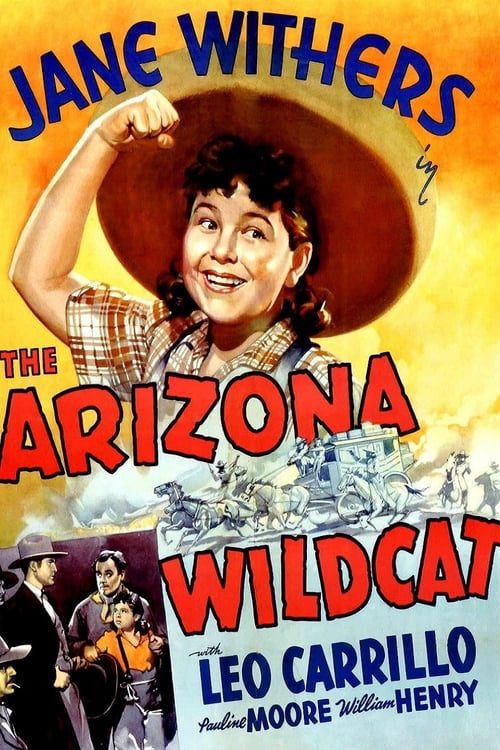
The Arizona Wildcat
1939
No user ratings available yet
Representation score: 1.3 out of 10
Representation Score
Fair
1940
NRDirector
Edward F. Cline
Runtime
83 minutes
Average Rating
No ratings yetNew Showbiz Analysis
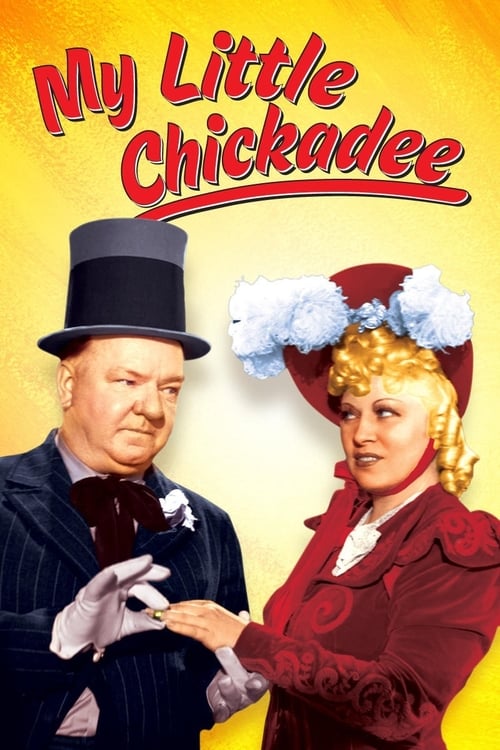
My Little Chickadee highlights a contrast between its limited demographic representation and its progressive narrative approaches. It falls short in providing meaningful racial or LGBTQ+ diversity, adhering to the conventions of 1940s cinema. However, the film excels in its gender representation. By focusing on a powerful female lead who outshines patriarchal figures, it offers a nuanced critique of traditional Western power structures. Overall, the film's strength lies in its critique of institutional authority and its promotion of moral flexibility, despite being a product of its time.
Category Breakdown
The film focuses on straight relationships and does not depict any queer identities or same-sex intimacy. There is no explicit portrayal of LGBTQ+ characters or themes.
The film stands out by challenging traditional gender roles. Sally O'Hara shows strong leadership and intelligence, often outsmarting her male counterparts and breaking away from the typical damsel in distress stereotype.
The film reflects the limited diversity of its time with a mostly white cast. The frontier setting lacks diverse racial representation and meaningful roles for characters of color.
The film questions the established social order through its characters' actions and beliefs. The protagonist's lifestyle emphasizes personal freedom over the strict social norms of the era.
The film does not feature any characters with visible or invisible disabilities. All characters operate within the normal physical and cognitive abilities expected in the genre.
Present on Screen
Limited or Absent
Official Synopsis
On her way by stagecoach to visit relatives out west, Flower Belle Lee is held up by a masked bandit who also takes the coach's shipment of gold. When he abducts Flower Belle and they arrive in town, Flower Belle is suspected of being in collusion with the bandit.
1939
1937
1940
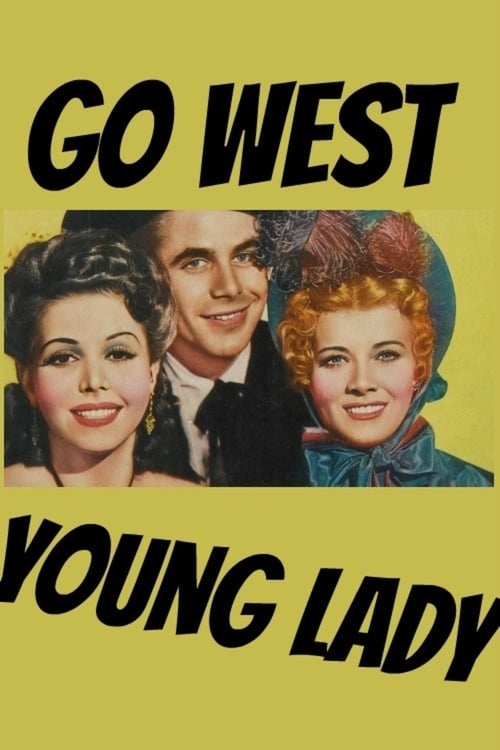
1941
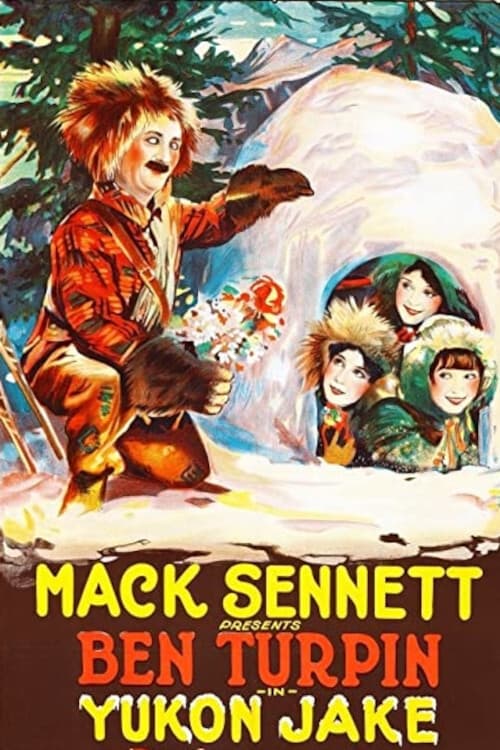
1924
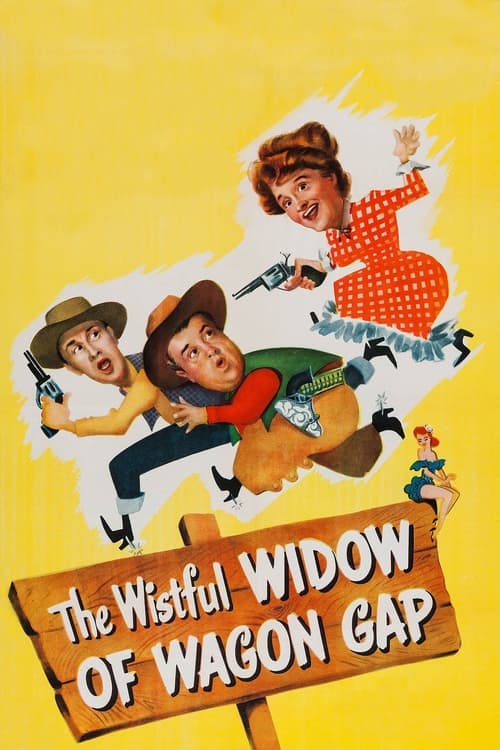
1947
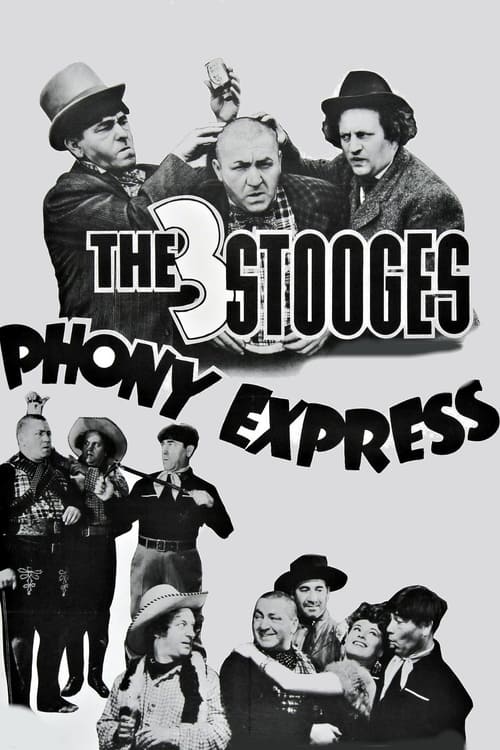
1943
1947
No reviews yet. Be the first to share your thoughts on this movie!
Use the rating form above to leave a star rating and optional review.