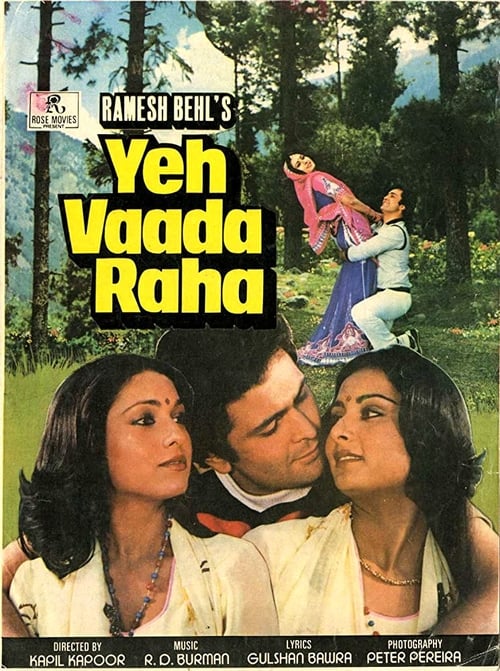
Yeh Vaada Raha
1982
No user ratings available yet
Representation score: 1.4 out of 10
Representation Score
Fair
1978
Director
Manik Chatterjee
Runtime
121 minutes
Average Rating
No ratings yetNew Showbiz Analysis
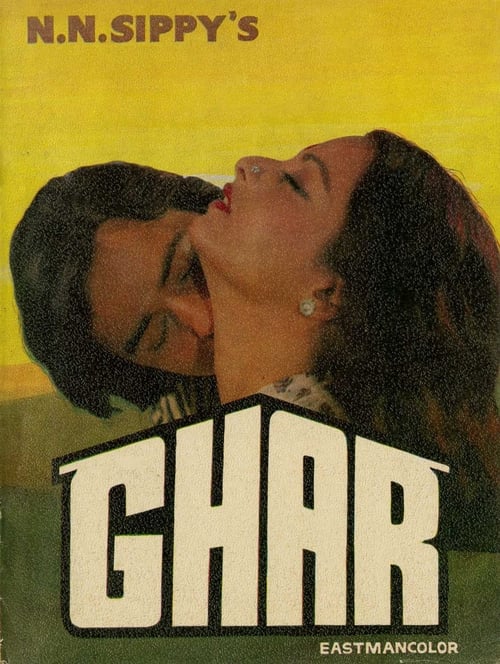
Ghar is a period-specific social drama that prioritizes the stability of the traditional family unit. It excels at capturing a specific Bengali middle-class milieu, providing a sense of regional authenticity and cultural grounding. However, the film operates strictly within established social hierarchies. It lacks complexity in representing diverse identities, offering little representation for LGBTQ+ individuals or neurodivergent characters. The narrative focuses on restoring order rather than challenging systemic norms. Ultimately, the film serves as a character study of domestic endurance. While emotionally resonant within its cultural context, it does not seek to disrupt or expand upon traditional gender or social roles.
Category Breakdown
The film follows traditional 1970s norms, focusing on a conventional marital bond without representing LGBTQ+ identities or same-sex relationships.
Aarti is central to the emotional storyline, but her role is tied to the domestic sphere. The narrative emphasizes maintaining the family unit over challenging patriarchal structures.
The film provides cultural authenticity through its focus on Bengali identity. Despite an ethnically homogeneous cast, it remains rooted in a specific regional context.
The story upholds traditional values concerning family sanctity and social cohesion. It aims to restore household order without critiquing religious or social structures.
A traumatic event drives the plot, but it is unclear if psychological or physical trauma receives proper attention. There is no specialized representation of disability.
Present on Screen
Limited or Absent
Official Synopsis
Vikas and Aarti's happy life is ruined by a gruesome incident causing a psychological distance between them. Will they be able to overcome the stigma and rekindle their love?
1982

1974
1983

2003
1981
1972
1993
1976
No reviews yet. Be the first to share your thoughts on this movie!
Use the rating form above to leave a star rating and optional review.