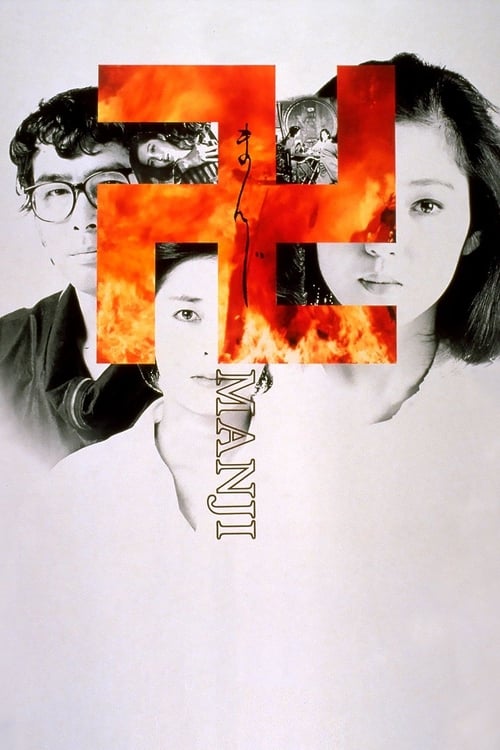
Manji
1983
No user ratings available yet
Representation score: 3.5 out of 10

Representation Score
Fair
2013
Director
Kazuyoshi Kumakiri
Runtime
114 minutes
Average Rating
No ratings yetNew Showbiz Analysis
This film is a localized psychological drama that emphasizes individual emotional stagnation over broader social issues. It challenges traditional domestic hierarchies by highlighting the dissatisfaction of its main characters. While it offers a nuanced look at female autonomy and unconventional relationships, it remains limited by its focus on a culturally homogeneous cast. The narrative is deeply rooted in a specific post-war Japanese context.
Category Breakdown
The film focuses on a traditional love triangle and explores unconventional relationships like long-term mistresshood but doesn't depict non-cisgender identities or same-sex intimacy.
Tomoko is shown taking a leading role in navigating complex emotions rather than being a passive figure. However, her actions are still influenced by male characters.
The cast is culturally uniform, reflecting the historical context of rural post-war Japan. The film focuses on local characters without diverse ethnic representation.
The setting critiques traditional social structures through characters on the fringes of respectability. It emphasizes existential human connections over institutional or religious guidance.
There are no prominent depictions of visible or invisible disabilities that drive the narrative or serve as central character arcs.
Present on Screen
Limited or Absent
Official Synopsis
The story, set in the heady post-war 50s into the early 60s , revolves around a love triangle between Tomoko, long playing the mistress to married older writer Shitto and the new stud who comes into her life, Ryota Kinoshita. Tomoko is sick and tired of her relationship with writer Shingo, who is married and has children. Shingo is a talented writer, but has yet to be recognized by the public. Tomoko then enters into a sexual relationship with younger man Ryota Kinoshita, but Tomoko is not satisfied.
1983

1939
1982
1955
1968
1983
1965
2005
No reviews yet. Be the first to share your thoughts on this movie!
Use the rating form above to leave a star rating and optional review.