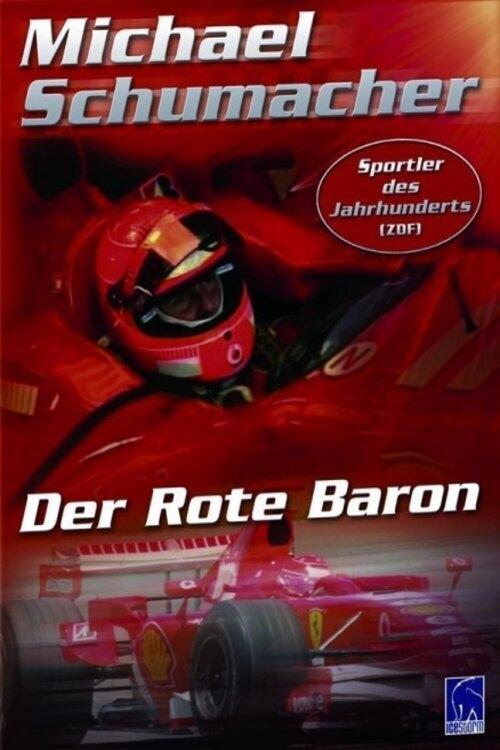
Michael Schumacher: The Red Baron
2008
No user ratings available yet
Representation score: 0.3 out of 10
Representation Score
Minimal
2026
Director
Christin Freitag
Runtime
105 minutes
Average Rating
No ratings yetNew Showbiz Analysis
The film opens with the roar of engines and the polished face of a young Michael Schumacher, selling a narrative of pure meritocratic triumph. It frames the 1994 Formula 1 season as a clean, well-oiled machine where talent and hard work yield national glory. The camera loves the precision of the pit stops and the intensity of the rivalries, treating the commercial apparatus of F1 as a necessary backdrop to athletic excellence. Corinna Schumacher’s voice provides a domestic counterpoint, yet her presence reinforces the traditional hierarchy: she is the emotional anchor who validates his ambition, not an independent agent within the sport. The film’s argument is that success is earned through relentless focus and technical mastery, a view that ignores the systemic inequalities within the sport’s global landscape. The ending settles on the image of a champion, his legacy sealed by the cheers of a nation, leaving the complexities of identity and representation unexamined. It is a celebration of speed and skill, but one that treats the existing social order as neutral and unmarked.
Category Breakdown
The narrative centers on heterosexual family dynamics and professional rivalries. No same-sex intimacy, queer identities, or gender-nonconforming characters appear in the archive footage or interviews.
Corinna Schumacher appears as a supportive spouse, defining her identity through Michael’s career. Male figures dominate the technical and competitive spheres, while women serve as emotional anchors or background presence.
The cast is predominantly white European, reflecting the 1994 F1 grid. Ayrton Senna appears as a central rival, offering a brief but significant non-white presence in the competitive hierarchy.
The film frames German industrial meritocracy and national pride as positive drivers. It treats the "circus" of F1 as a legitimate athletic arena, validating commercial sponsorship and corporate power as essential to the sport’s magic.
No characters with physical or cognitive disabilities are depicted. The focus remains on elite athletic performance and mechanical engineering, with no exploration of impairment or accessibility.
Present on Screen
Limited or Absent
Official Synopsis
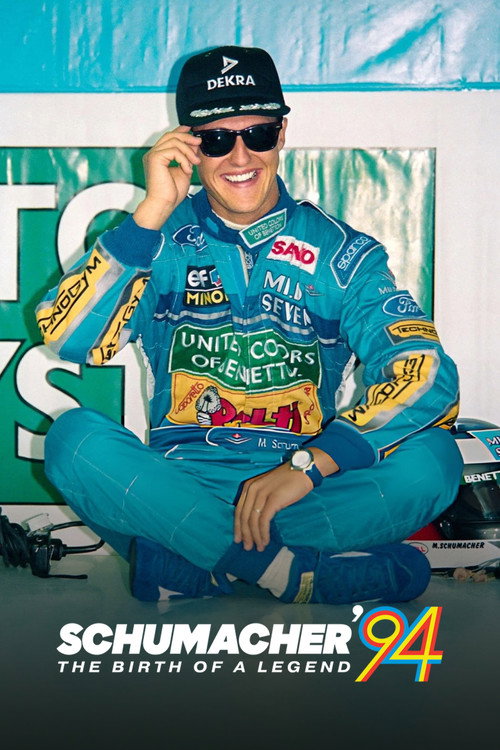
Michael Schumacher's first World Championship win roars to life through personal interviews and archival footage of the legendary 1994 Formula 1 season.
2008
2017
2013
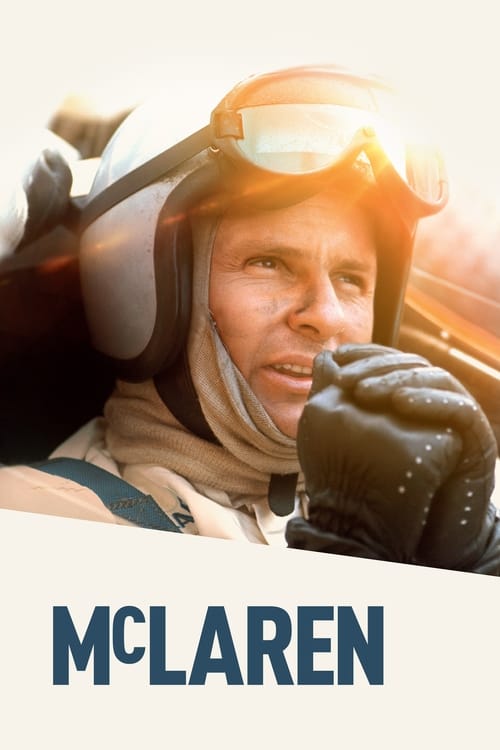
2016

2025
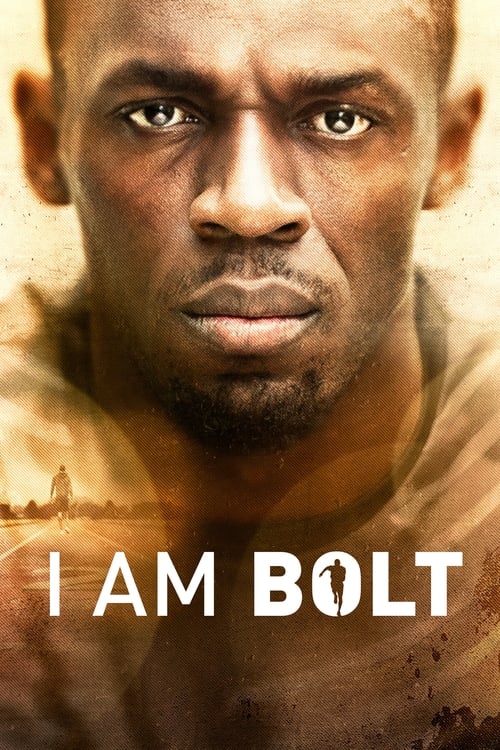
2016
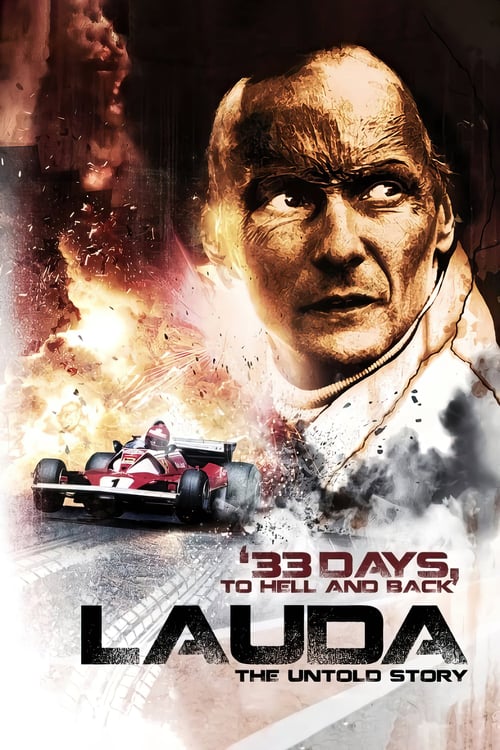
2014
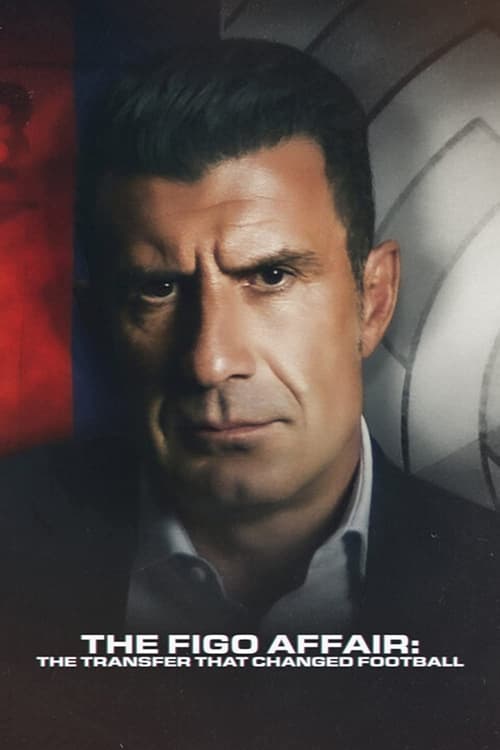
2022
No reviews yet. Be the first to share your thoughts on this movie!
Use the rating form above to leave a star rating and optional review.