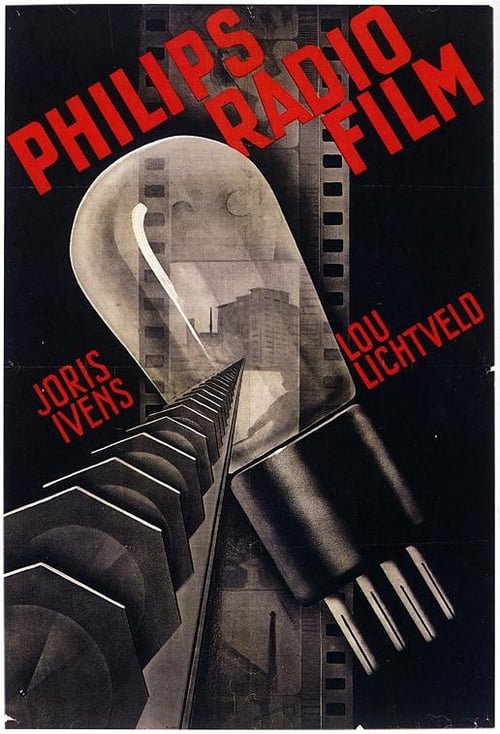
Philips-Radio
1931
No user ratings available yet
Representation score: 1.1 out of 10
No Poster Available
Representation Score
Minimal
1936
Runtime
33 minutes
Average Rating
No ratings yetNew Showbiz Analysis
Master Hands is a historical document of 1930s industrial filmmaking, focusing solely on the mechanics of Chevrolet assembly line production. Its purpose is to document manufacturing processes rather than address social or characters who reflect more than one aspect of diversity. The film upholds the social and economic structures of the mid-1930s, presenting a homogeneous workforce that mirrors the segregated and gendered labor roles of the era. Ultimately, the documentary serves as a promotional tool for capitalist efficiency, prioritizing the depiction of standardized labor and technological progress over diverse or inclusive narratives.
Category Breakdown
The film focuses on the technical aspects of industrial production and does not include any LGBTQ+ characters or themes related to sexual orientation.
The workforce shown in the film is predominantly male, reinforcing traditional masculine stereotypes of physical strength and industrial expertise.
The workers depicted are mostly of a single racial background, aligning with the racial hierarchies of the time. There are no characters of color in positions of influence or leadership.
The film highlights the achievements of mid-20th century American manufacturing, emphasizing productivity and technological advancement without criticism.
The film concentrates on the physical demands of factory work and does not show any neurodivergent or physically disabled individuals.
Present on Screen
Limited or Absent
Official Synopsis
Documentary short film showing the production of cars at a Chevrolet factory in the mid 1930s.
1931

1927
1945

1958
1940
1904
1904

1896
No reviews yet. Be the first to share your thoughts on this movie!
Use the rating form above to leave a star rating and optional review.