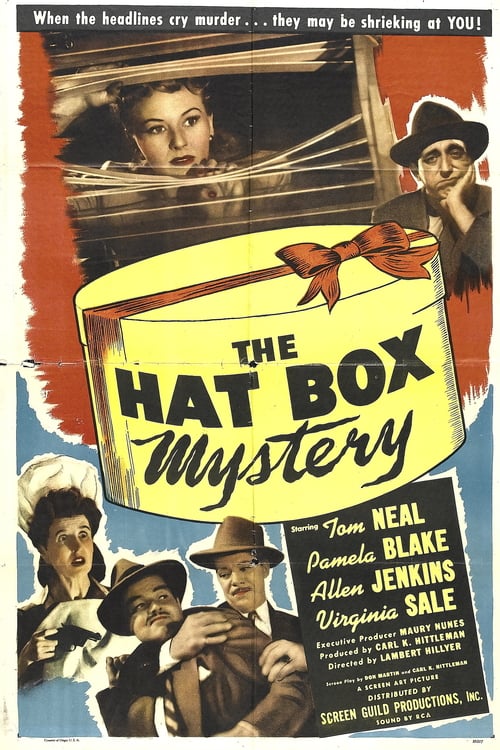
The Hat Box Mystery
1947
No user ratings available yet
Representation score: 0.4 out of 10
Representation Score
Minimal
1944
NRDirector
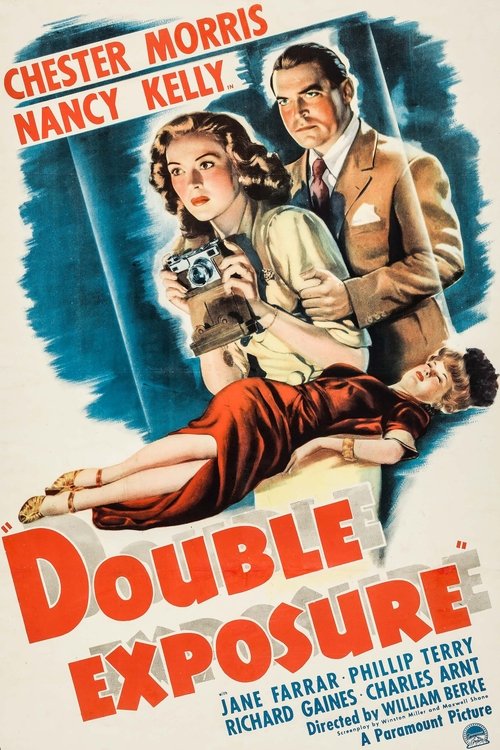
William Berke
Runtime
63 minutes
Average Rating
No ratings yetNew Showbiz Analysis
Double Exposure is a conventional 1940s crime comedy that adheres to the standard demographic compositions of its era. While it provides a female lead with professional control, the narrative remains anchored in traditional social hierarchies. The film lacks complexity in reflecting multiple aspects of identity, focusing instead on a standard plot of professional merit and individual innocence. It functions as a genre piece that reinforces, rather than challenges, the status quo of mid-century American cinema.
Category Breakdown
The film follows a traditional structure where everyone is assumed to be straight. The central romantic tension revolves around Pat Marvin and her boyfriend, Ben Scribner.
Pat Marvin takes control of her life by pursuing a career as a photographer. However, the plot depends on her attractiveness and the male editor's romantic interest.
The film features a predominantly white cast with no significant ethnic diversity among the main characters.
The story is set within mid-century American social structures, using Western institutions and the nuclear family as a stable backdrop for the crime-comedy.
There are no characters with visible or invisible disabilities in the film. Disability is not used as a narrative device.
Present on Screen
Limited or Absent
Official Synopsis
In New York City, a newly hired photographer becomes embroiled in a scandal when her photo is mistaken for evidence of a murder and she must try to prove her own innocence.
1947
1944
1938
1950
1949
2023
1934
1948
No reviews yet. Be the first to share your thoughts on this movie!
Use the rating form above to leave a star rating and optional review.