
Kunstgriff
2002
No user ratings available yet
Representation score: 6.7 out of 10
Representation Score
Good
1951
Director
James Broughton
Runtime
11 minutes
Average Rating
No ratings yetNew Showbiz Analysis
James Broughton’s experimental approach allows the film to question mainstream social and psychological norms. By focusing on an eccentric protagonist, the film deviates from the rigid stability expected in 1951. Though the film does not explicitly show diverse racial or sexual identities, its portrayal of 'social misfits' can still serve as a platform for outsider narratives. The film's impact lies in its challenge to traditional stereotypes, despite operating within the limitations of its era.
Category Breakdown
The film focuses on social misfits, which could challenge traditional assumptions about relationships. However, there is no clear depiction of non-straight or non-cisgender identities.
The main character, who is vulnerable and socially awkward, may disrupt traditional ideas of masculinity. He is not shown as someone in a position of authority.
The film centers around a single character and was made during a time when casting tended to be homogeneous. There is no indication of diverse racial or ethnic backgrounds among the characters.
The title hints at a celebration of unconventional thinking, which contrasts with the strict social norms of the post-war period. This approach questions the rigid stability of the time.
The character 'Loony Tom' might represent a unique perspective on cognitive differences. The film treats his condition as a distinctive viewpoint rather than just a joke.
Present on Screen
Limited or Absent
Official Synopsis
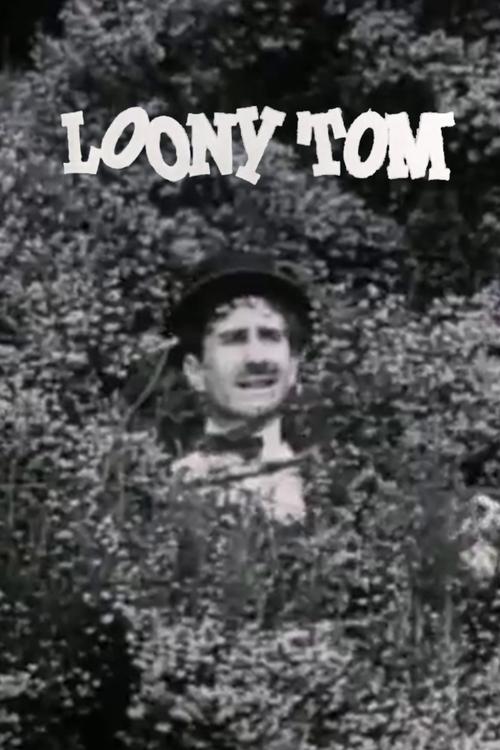
A short black and white film from James Broughton with Kermit Sheets in a Chaplinesque role.
2002
1953
1926
1917
1951
1919
1906
1951
No reviews yet. Be the first to share your thoughts on this movie!
Use the rating form above to leave a star rating and optional review.