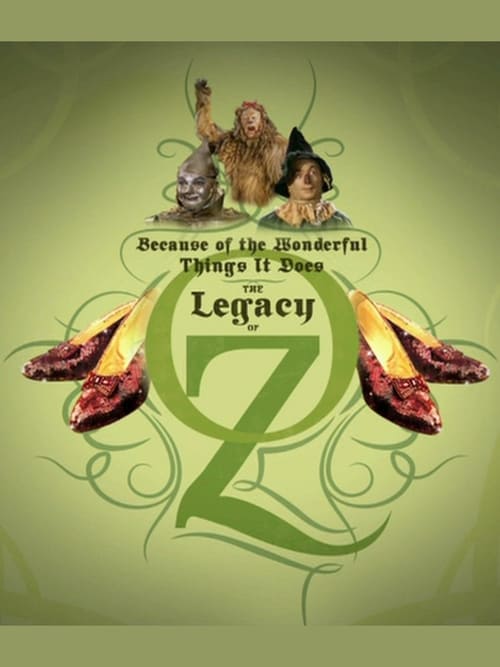
Because of the Wonderful Things It Does: The Legacy of Oz
2005
No user ratings available yet
Representation score: 4.7 out of 10
Representation Score
Good
2001
Runtime
30 minutes
Average Rating
No ratings yetNew Showbiz Analysis
Memories of Oz functions as a scholarly retrospective that derives its progressive value from contemporary perspectives rather than its historical subject matter. While the 1939 film is a product of a conservative era, the documentary uses modern voices to disrupt traditionalist readings of film history. The film's strength lies in its ability to frame a classic Hollywood artifact through the lens of cultural evolution and stylistic subversion. By featuring figures who occupy the periphery of mainstream norms, it connects the original mythos to broader, more diverse subcultures. However, the documentary is inherently limited by its subject. Because it examines a period of significant systemic homogeneity, it offers limited opportunities for characters who reflect more than one aspect of diversity or deep engagement with disability and racial diversity.
Category Breakdown
John Waters' involvement brings a vital connection to queer cinema and camp aesthetics, introducing a lens of non-conformity that challenges traditional cinematic presentations.
The film explores female-driven narratives and the evolution of women's ability to drive the story within the Oz mythos. However, the interview panel lacks clear evidence of gender balance.
The documentary focuses on a 1930s Hollywood era characterized by systemic homogeneity. Consequently, the content remains a study of a historically white-centric production.
The film celebrates the 'cult' and 'fringe' by deconstructing Golden Age Hollywood standards. It prioritizes the impact of the mythos on diverse subcultures.
There is no explicit evidence regarding the portrayal of neurodivergence or physical disability. The focus remains on technical and cultural impact rather than lived experiences.
Present on Screen
Limited or Absent
Official Synopsis
Interviews with filmmakers/fans Willard Carroll and John Waters, Stephen Cox, author of The Munchkins of Oz, Munchkin actors and others on the impact and influence of the 1939 MGM film version of The Wizard of Oz.
2005
2013

1990
2023
2005
2001

2024
2015
No reviews yet. Be the first to share your thoughts on this movie!
Use the rating form above to leave a star rating and optional review.