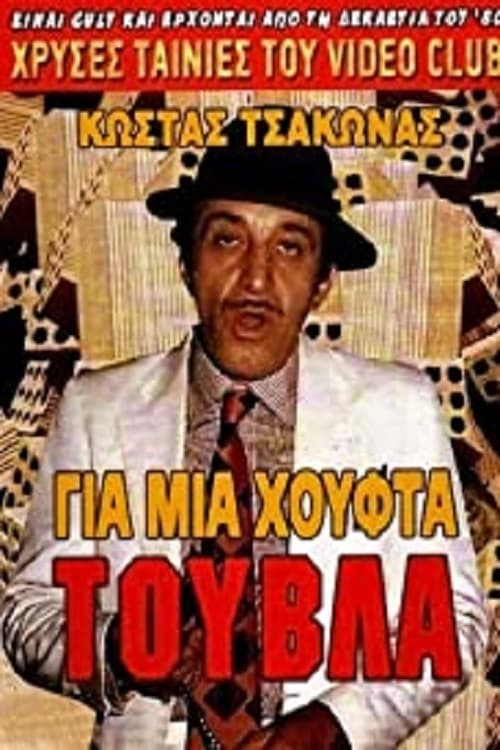
For a Handful of Bricks
1987
No user ratings available yet
Representation score: 3.2 out of 10
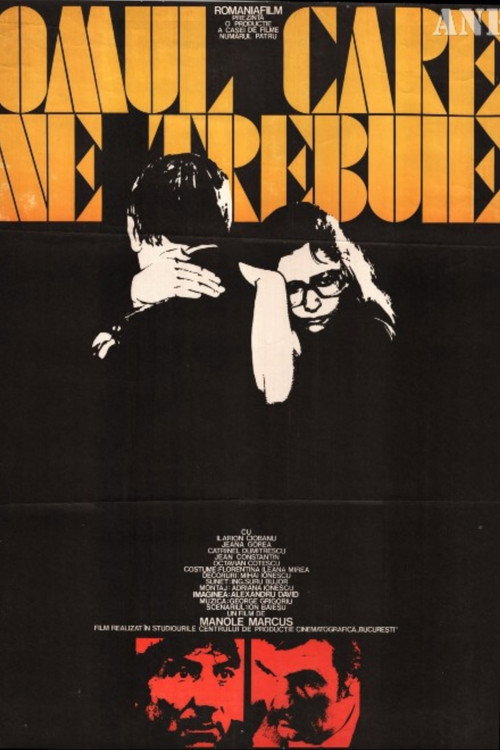
Representation Score
Limited
1979
Director
Manole Marcus
Runtime
102 minutes
Average Rating
No ratings yetNew Showbiz Analysis
The Man We Need serves as a period-specific example of socialist-era storytelling. Its narrative structure focuses on the conflict between professional duty and familial stability, a common theme in Eastern European cinema of this era. The film's limited diversity reflects the socio-political constraints and the homogeneous nature of the regional industry in 1979. It prioritizes the value of labor and state-aligned professional roles over individualized identity politics. Ultimately, the work portrays a localized social environment where the protagonist's struggle is defined by his utility to the collective rather than personal or diverse identity markers.
Category Breakdown
The film does not include any LGBTQ+ characters or narratives. Non-straight relationships are completely absent in this production.
The story revolves around a male protagonist and his role as a provider. Family dynamics play a part, but the narrative primarily follows the male lead's struggles.
The cast appears ethnically uniform, reflecting the localized demographics of the Romanian film industry in the late 1970s. There is no visible racial diversity.
The film highlights collective labor and the tension between urban life and industrial duties. It emphasizes societal contribution and state-aligned work over individual pursuits.
There is no information about the inclusion of characters with physical or neurodivergent disabilities in this work.
Present on Screen
Limited or Absent
Official Synopsis
A concrete expert is torn between his family, who wants to settle in a city, and his work, which requires constant relocating.
1987
1983

1977
1958

1983

2022
1976

1997
No reviews yet. Be the first to share your thoughts on this movie!
Use the rating form above to leave a star rating and optional review.