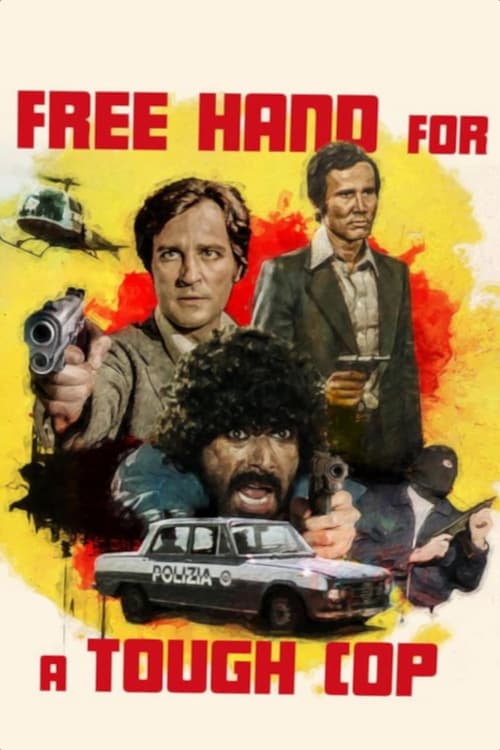
Free Hand for a Tough Cop
1976
No user ratings available yet
Representation score: 4.2 out of 10
Representation Score
Limited
1976
RDirector
Umberto Lenzi
Runtime
94 minutes
Average Rating
No ratings yetNew Showbiz Analysis
Rome, Armed to the Teeth is a quintessential product of the 1970s Italian poliziottesco genre. It prioritizes visceral action and traditional character archetypes over complex representations of identity. The film focuses on individual survival within a decaying social framework. While the narrative offers a critique of institutional efficacy through its depiction of systemic corruption, it fails to engage with broader questions of identity or gender subversion. The focus remains on hyper-masculine archetypes and kinetic violence. Ultimately, the film adheres to the conventional hierarchies of its era, using disability as a shorthand for deviance and maintaining a localized, traditional demographic.
Category Breakdown
The film follows traditional 1970s crime cinema conventions, focusing on hyper-masculine characters. There is no representation of LGBTQ+ identities or narratives that question the assumption that everyone is straight or cisgender.
Female characters are primarily portrayed as victims or secondary figures. The narrative centers on a masculine protagonist whose role is driven by physical prowess and extrajudicial actions.
The cast is relatively homogeneous, typical of mid-70s Italian productions. The film lacks significant evidence of diverse ethnicities or race-bent casting.
The film explores moral relativism and the erosion of institutional trust. It depicts vigilantism as a necessity of a lawless environment rather than a tool for social liberation.
Physical disability is used as a narrative device to signal villainy. The hunchbacked antagonist serves as a cliché for psychological instability rather than providing nuanced representation.
Present on Screen
Limited or Absent
Official Synopsis
A tough, violent cop who doesn't mind bending the law goes after a machine-gun-carrying, hunchbacked psychotic killer.
1976

1972
1976
1974
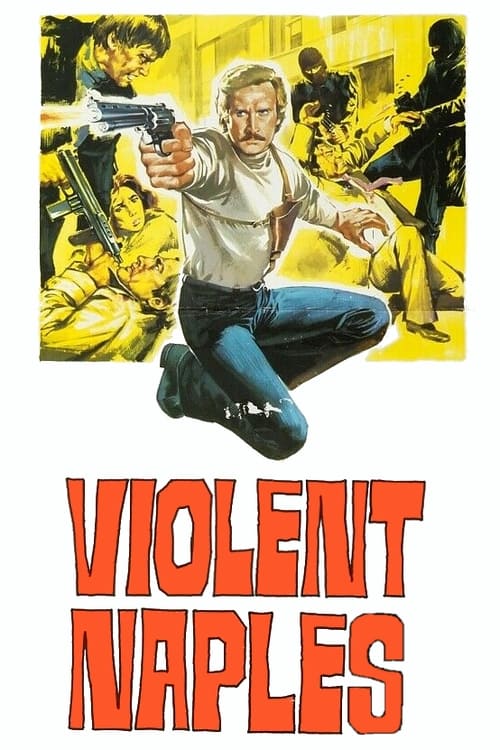
1976
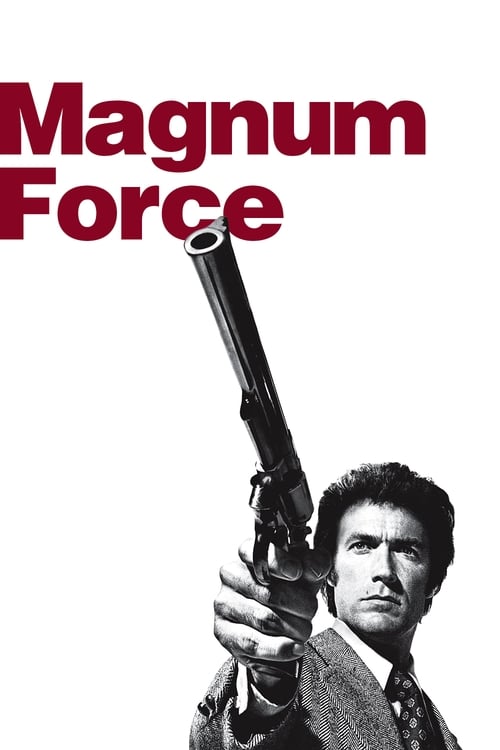
1973
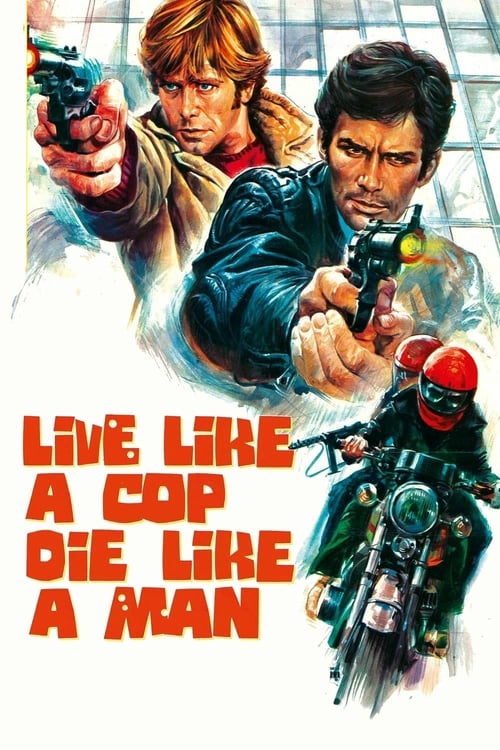
1976
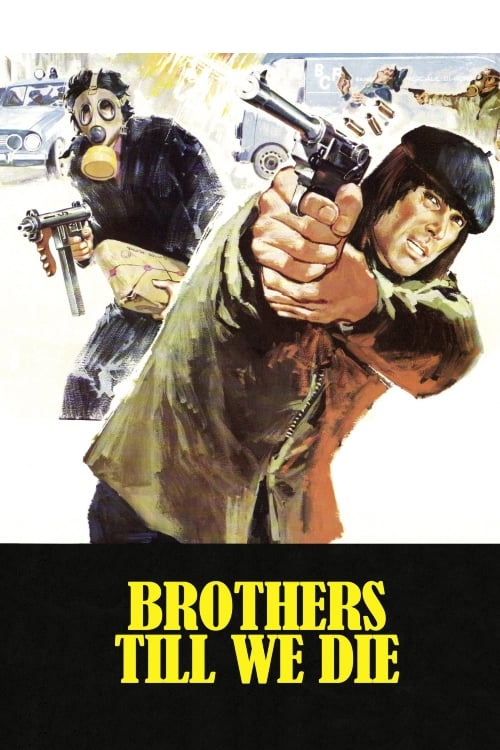
1977
No reviews yet. Be the first to share your thoughts on this movie!
Use the rating form above to leave a star rating and optional review.