
Arsène Lupin
2004
No user ratings available yet
Representation score: 1.5 out of 10

Representation Score
Fair
2021
Director
Antonio Manetti, Marco Manetti
Runtime
133 minutes
Average Rating
No ratings yetNew Showbiz Analysis
Diabolik stands out by reversing traditional gender roles, elevating Eva Kant to a position of equal competence alongside Diabolik. However, the film lacks depth in terms of racial and LGBTQ+ representation. Despite this limitation, the film offers a progressive take on moral and character dynamics, even while maintaining a traditionally homogeneous cast.
Category Breakdown
The story centers on the romantic and tactical relationship between Diabolik and Eva Kant. It does not include any LGBTQ+ identities or queer-coded subtext, focusing solely on a heterosexual partnership.
Eva Kant challenges 1960s gender roles by being a highly capable co-conspirator. She shares responsibilities equally with Diabolik, giving her a strong role in the heist.
The film features a predominantly white cast reflecting its stylized European setting. It does not seek to blend different racial backgrounds or explore multi-layered identities.
The film portrays its criminal protagonists as charismatic anti-heroes, emphasizing the excitement of the heist over adherence to societal norms. It critiques institutional authority through the lens of postmodernism.
The film does not feature any characters with visible or invisible disabilities. All characters are shown at their peak physical and mental performance levels.
Present on Screen
Limited or Absent
Official Synopsis
1960s, the city of Clerville. The forthcoming visit of heiress Eva Kant, who'll be bringing a famous pink diamond with her, catches the attention of Diabolik, the infallible and elusive thief whose real identity is unknown: while trying to steal the jewel, he finds himself bewitched by Eva's charm, a feeling she may be reciprocating. But the police, led by relentless Inspector Ginko, is rapidly closing in on him...
2004
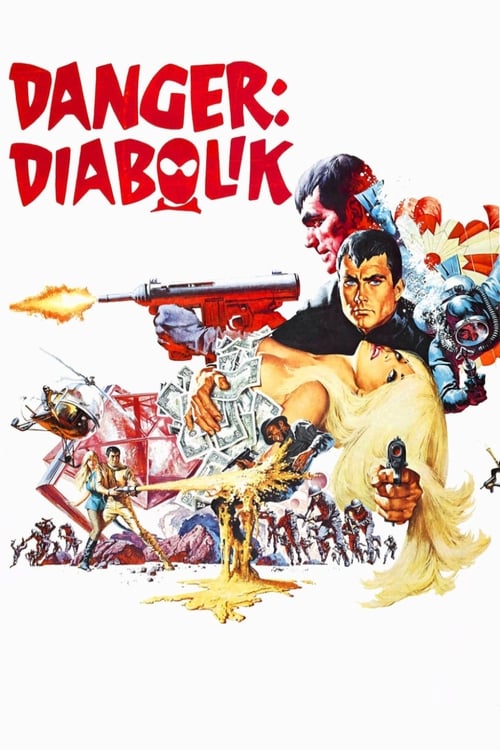
1968
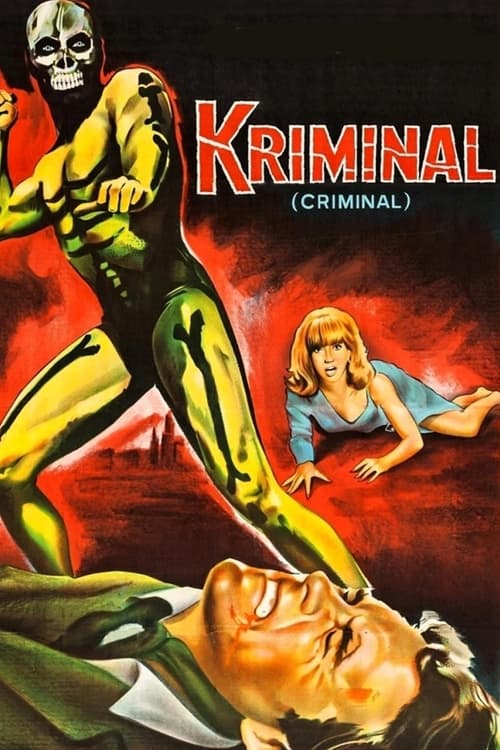
1966

1969
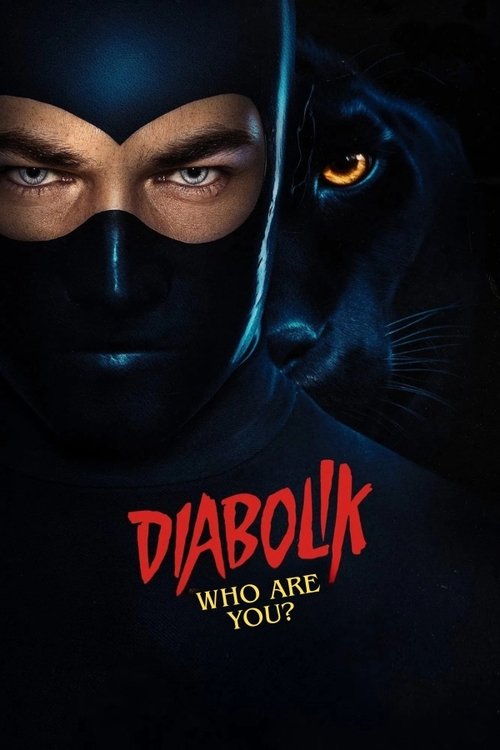
2023
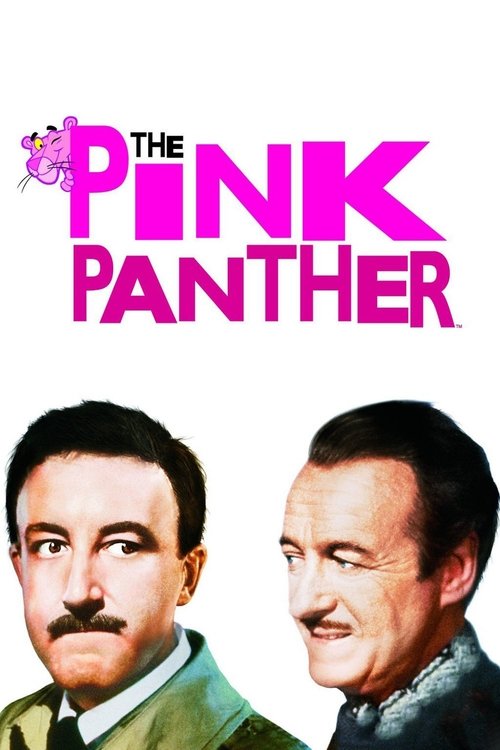
1963

1963
1975
No reviews yet. Be the first to share your thoughts on this movie!
Use the rating form above to leave a star rating and optional review.