
A Very Old Story
1968
No user ratings available yet
Representation score: 4.5 out of 10
Representation Score
Fair
1984
Director
Vladimir Bychkov
Runtime
76 minutes
Average Rating
No ratings yetNew Showbiz Analysis
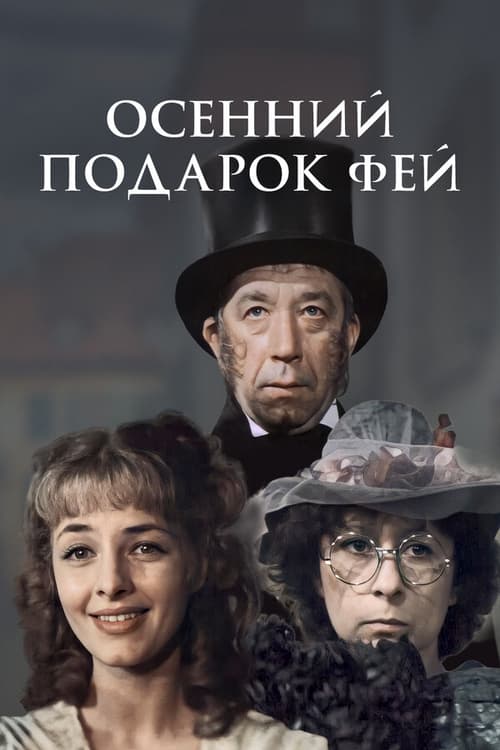
Fairies' Autumn Gift is a whimsical Soviet fantasy that relies heavily on the well-known archetypes of Hans Christian Andersen's tales. While the film offers emotional depth through its dual tone, it remains grounded in the social and demographic norms of its 1984 production era. The narrative emphasizes universal humanism and folkloric storytelling over intentional identity-based subversion. This results in a production that feels culturally cohesive but lacks modern diversity standards. Ultimately, the film serves as a traditional fairy tale, using magical frameworks to explore human vulnerability without challenging existing social or gender hierarchies.
Category Breakdown
The film does not include visible LGBTQ+ identities or non-cisgender characters. It follows traditional heterosexual romantic structures found in Andersen's folklore.
Female performers play important roles, often dealing with complex emotions. However, the characters mostly follow traditional folkloric stereotypes rather than challenging gender hierarchies.
The production mirrors the demographic uniformity of the 1984 Soviet film industry. It focuses on universal folklore without incorporating diverse casting or multi-ethnic representation.
The adaptation uses an emotional complexity and moral ambiguity through its 'sad and funny' tone. It operates within a framework of universal humanism without specific political critiques.
Characters with disabilities do not have significant control over their situations. The film may rely on traditional stereotypes where physical limitations symbolize spiritual lessons.
Present on Screen
Limited or Absent
Official Synopsis
A sad and funny story based on Hans Christian Andersen tales.
1968
1965
2012

1986
1999
1977
1966

1997
No reviews yet. Be the first to share your thoughts on this movie!
Use the rating form above to leave a star rating and optional review.