
Ghost
2010
No user ratings available yet
Representation score: 4.6 out of 10
Representation Score
Limited
2017
Director
Takashi Yamazaki
Runtime
129 minutes
Average Rating
No ratings yetNew Showbiz Analysis
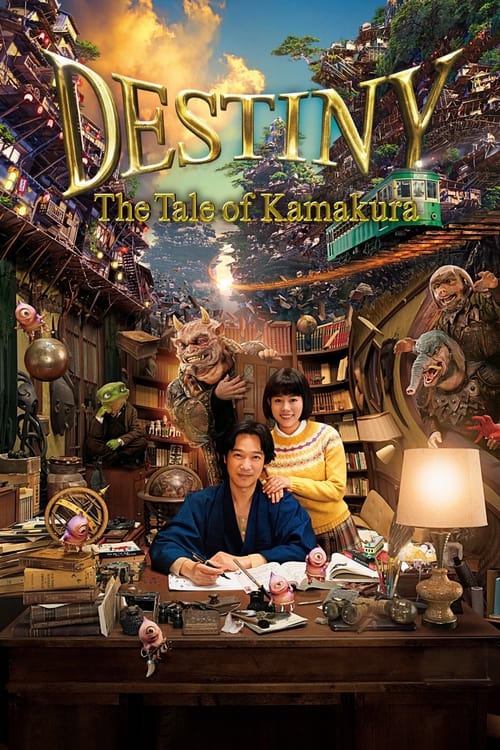
Destiny: The Tale of Kamakura is a culturally authentic fantasy that prioritizes Japanese mythological heritage over modern identity politics. It succeeds by grounding its fantastical elements in a specific, non-Western historical context, avoiding the pitfalls of Western-centric storytelling. However, the film adheres to conventional social hierarchies. The narrative structure relies on traditional gender roles and a heterosexual relationship, which limits its engagement with broader social diversity. It functions more as a celebration of cultural tradition than a critique of established norms.
Category Breakdown
The film focuses solely on the heterosexual relationship between Akiko and Masakazu, with no representation of same-sex relationships or non-cisgender identities.
The film leans towards traditional gender roles, with Masakazu taking the lead in the proactive quest. Akiko's journey into the underworld challenges traditional domestic boundaries, but the narrative still centers on masculine leadership.
The film excels in cultural authenticity by featuring a Japanese cast and setting. It avoids Western-centric casting and uses local folklore to create a sophisticated, non-Anglo-Saxon narrative space.
The story is deeply rooted in Japanese spiritual traditions and Buddhist concepts. It embraces a traditional worldview where ancestral connections and spiritual laws play a positive role for the characters.
There are no prominent depictions of physical or neurodivergent disabilities that serve as central character arcs or drive the narrative forward.
Present on Screen
Limited or Absent
Official Synopsis
Set in an alternate universe, the ancient capital of Kamakura is a vibrant town where fantastical creatures live alongside humans. Akiko is a cheerful publishing assistant who moves into town after marrying Masakazu, a popular mystery writer. Akiko is surprised by the unusual town but enjoys the new curiosities surrounding her. However, just as she was beginning to settle in, a trifling incident sweeps her spirit to the underworld too soon. Convinced that destiny has something else in store for his wife, Masakazu journeys into the underworld to bring back Akiko’s spirit.
2010

2018

2003
2022
2015
2006

2022

2015
No reviews yet. Be the first to share your thoughts on this movie!
Use the rating form above to leave a star rating and optional review.