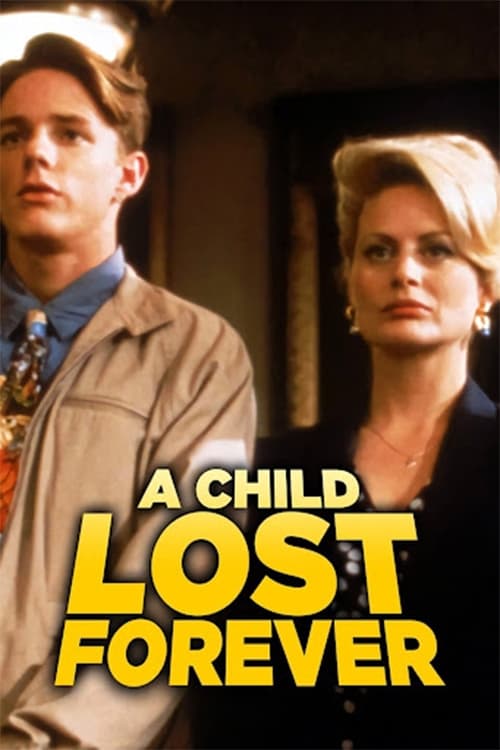
A Child Lost Forever: The Jerry Sherwood Story
1992
No user ratings available yet
Representation score: 7.2 out of 10
Representation Score
Limited
1997
TV-PGDirector
Mel Damski
Average Rating
No ratings yetNew Showbiz Analysis
Their Second Chance is a conventional domestic drama that prioritizes sentimental interpersonal reconciliation. The narrative structure focuses on the complexities of adoption and the re-emergence of biological ties. While the film explores deep emotional themes, it operates within the established parameters of late-20th-century television. The story lacks intentional systemic critique or the disruption of traditional social hierarchies. The work functions as a standard exploration of family dynamics, centering on the restoration of the nuclear family unit.
Category Breakdown
The film does not include explicit LGBTQ+ characters or non-cisgender identities. The story focuses on traditional family relationships rather than narratives that question the assumption that everyone is straight or cisgender.
Female-centric relationships drive the central conflict between a mother and daughter. However, the film likely adheres to conventional gender roles typical of late-90s domestic dramas.
There is no information available regarding the racial or ethnic identities of the cast. The film's approach to racial diversity or Anglo-Saxon norms remains unverified.
The plot follows Western storytelling clichés regarding family reconciliation and the sanctity of parental bonds. It prioritizes restoring the family unit over critiquing traditional social structures.
The narrative provides no evidence of characters with visible or invisible disabilities. There is no indication of how neurodivergence or physical health is addressed.
Present on Screen
Limited or Absent
Official Synopsis
After nearly thirty years a mother and adopted daughter are reunited. Soon after, the biological father comes back into the picture.
1992
1995
1994

2018
1996

2002
2020
2018
No reviews yet. Be the first to share your thoughts on this movie!
Use the rating form above to leave a star rating and optional review.