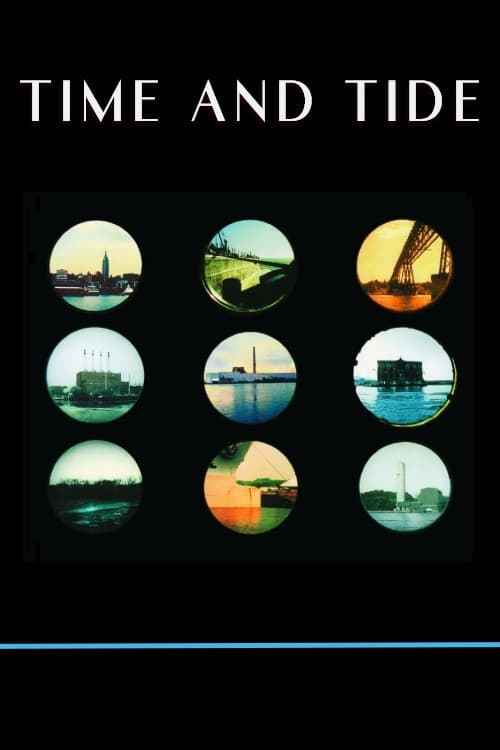
Time and Tide
2000
No user ratings available yet
Representation score: 0.6 out of 10
Representation Score
Minimal
1997
Director
Peter Hutton
Runtime
16 minutes
Average Rating
No ratings yetNew Showbiz Analysis
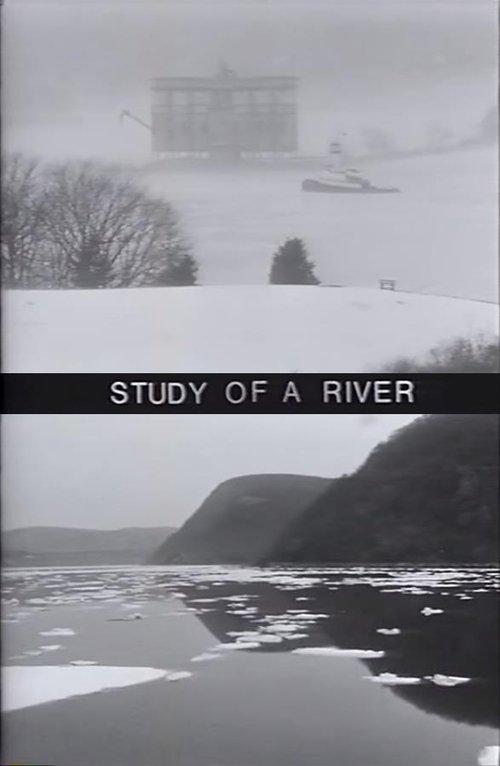
Peter Hutton’s documentary is a formalist study of the Hudson River, emphasizing observational aesthetics and environmental phenomena. Since the film lacks traditional narrative structure, it does not offer a platform for character-driven representation. The absence of human subjects means the film operates outside the realm of social commentary. It focuses on the rhythmic qualities of the landscape rather than identity politics or interpersonal conflict. Ultimately, the work is a temporal study of nature. Its low diversity score is a result of its genre, which avoids human-centric themes in favor of environmental observation.
Category Breakdown
The film focuses solely on the seasonal changes and river landscapes. It does not include any LGBTQ+ characters or narratives centered around identity.
As a landscape documentary, the film does not address human social hierarchies. There are no characters to assess gender roles or ability to act.
The film centers on a natural ecosystem and does not involve human demographics. It lacks racialized character development or diverse casting.
The documentary adopts a secular approach by focusing on the natural world. It avoids promoting religious or traditional Western social structures.
The primary focus is on the river and its seasonal transitions. The documentary does not feature human subjects with visible or invisible disabilities.
Present on Screen
Limited or Absent
Official Synopsis
The first part (winter) of a seasonal study of the Hudson river in New York.
2000
2013
2004

2013
1983
1981
2007
1987
No reviews yet. Be the first to share your thoughts on this movie!
Use the rating form above to leave a star rating and optional review.