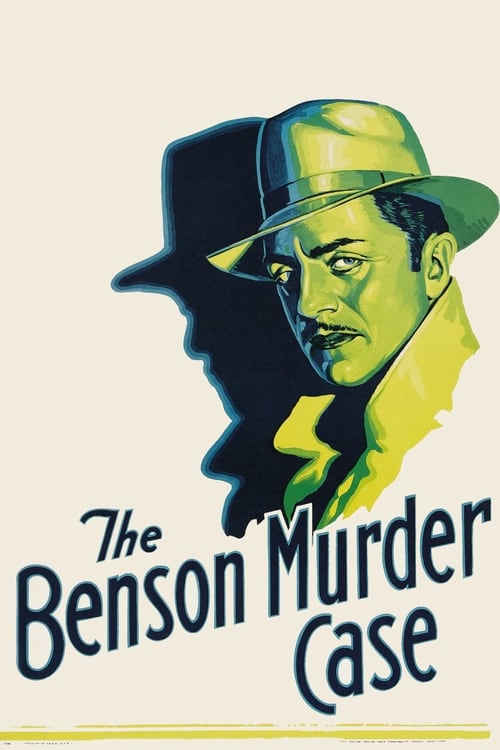
The Benson Murder Case
1930
No user ratings available yet
Representation score: 0.6 out of 10
Representation Score
Minimal
1933
NRDirector
Edwin L. Marin
Runtime
72 minutes
Average Rating
No ratings yetNew Showbiz Analysis
This 1933 mystery reinforces existing social and gender hierarchies. The narrative centers on a male-dominated investigative duo, limiting diverse perspectives. Female and non-white characters are confined to supporting or reactive roles. The film prioritizes established procedural clichés over any intentional subversion of systemic norms. Ultimately, the work functions as a standard detective procedural maintaining the status quo of early 20th-century cinema.
Category Breakdown
The film adheres to traditional structures typical of 1930s crime procedurals, focusing on straight relationships. There is no representation of non-binary gender identities or same-sex intimacy.
The plot revolves around the male partnership of Holmes and Watson. Female characters are mainly catalysts or victims, lacking independent roles.
The production features a predominantly white cast. A Chinese widow is mentioned but serves as a plot device rather than a nuanced exploration of ethnic identity.
The narrative emphasizes traditional Western institutional structures and conventional morality. It focuses on restoring order through investigation without critiquing capitalism or religion.
There is no representation of visible or invisible disabilities. No characters are depicted with neurodivergence or physical impairments that drive the narrative.
Present on Screen
Limited or Absent
Official Synopsis
In London, a secret society led by lawyer Thaddeus Merrydew collects the assets of any of its deceased members and divides them among the remaining members. Society members start dropping like flies. Sherlock Holmes is approached by member James Murphy's widow, who is miffed at being left penniless by her husband. When Captain Pyke is shot, Holmes keys in on his mysterious Chinese widow as well as the shady Merrydew. Other members keep dying: Malcom Dearing first, then Mr. Baker. There is also an attempt on the life of young Eileen Forrester, who became a reluctant society member upon the death of her father. Holmes' uncanny observations and insights are put to the test.
1930
1945
1936
1946
1932
1960
1942
1945
No reviews yet. Be the first to share your thoughts on this movie!
Use the rating form above to leave a star rating and optional review.