Candlelight in Algeria
1944
No user ratings available yet
Diversity score: 2.5 out of 10
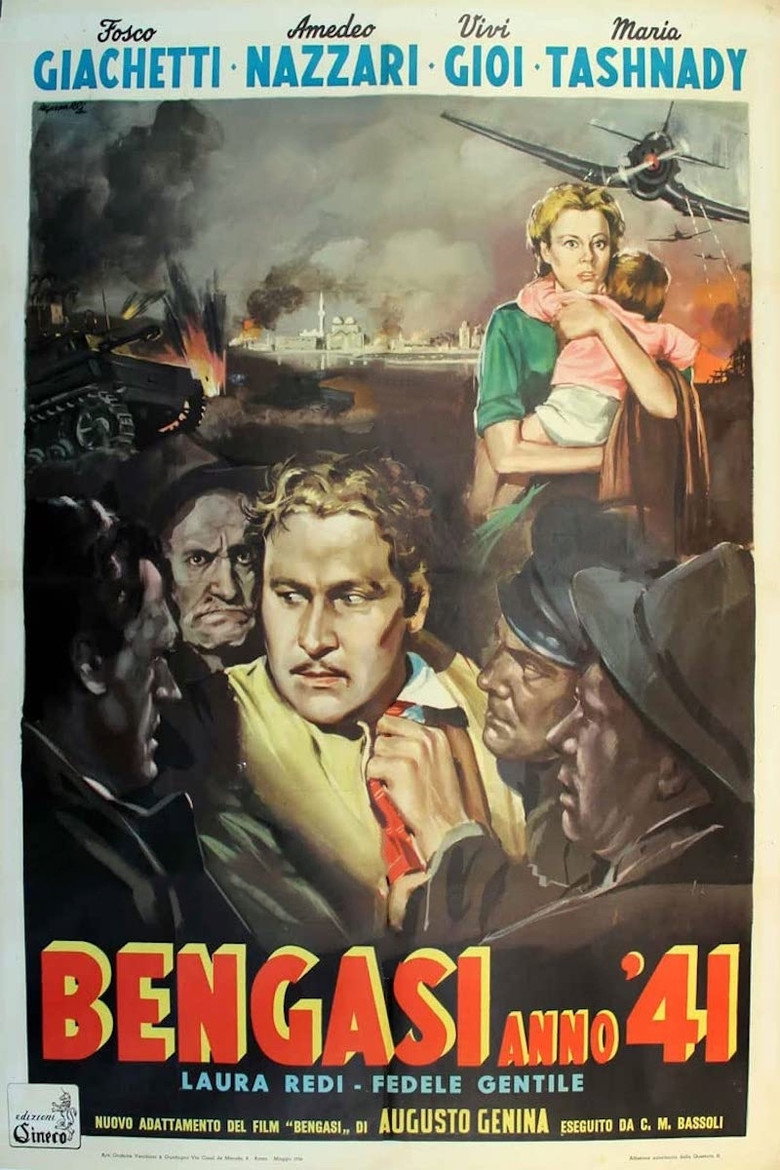
1942
Director
Augusto Genina
Runtime
90 minutes
Average Rating
No ratings yetSynopsis
The film is set in 1941 during the Second World War, when the city of Benghazi in Italian-ruled Libya was occupied by British forces. Italian inhabitants of Benghazi work to resist the British and discover their military plans. One man, Captain Enrico Berti, appears to be collaborating with the British but is in fact working undercover for Italian intelligence. The film ends with the city being recaptured by Italian troops and their Nazi German allies.
Overall Score
Minimal
Category Breakdown
LGBTQ+ Representation
The film lacks any evidence of non-cisnormative identities or same-sex intimacy. The focus on military intelligence suggests a strict adherence to the heteronormative structures of 1942.
Gender Representation
Narrative agency is almost exclusively male, centered on Captain Enrico Berti and military hierarchy. The film reinforces traditional masculine leadership rather than subverting gender roles.
Racial & Ethnic Diversity
The story prioritizes European colonial power dynamics between Italian and British forces. It lacks an inclusive portrayal of the North African population in Benghazi.
Religious & Cultural Diversity
The film promotes nationalistic ideals and the legitimacy of the Italian presence in North Africa. It serves to validate state authority and the Axis geopolitical order.
Disability Representation
There is no indication that disability, neurodivergence, or chronic illness are addressed as narrative elements.
Strengths
Areas for Improvement
AI Analysis
Bengasi is a product of the Fascist-era Italian cinematic apparatus, designed to align with the geopolitical objectives of the state. The narrative architecture prioritizes military espionage and territorial occupation, which inherently centers masculine agency and colonial authority. The film functions as a tool for state-sanctioned patriotism. By focusing on the conflict between European powers, it reinforces a Eurocentric hierarchy and ignores the intersectional identities of the North African setting. Ultimately, the work offers minimal disruption to the social or gendered norms of 1942, instead acting as a reinforcement of existing power structures and nationalistic ideals.
1944

1941

1946

1943
1942
1942

1943

1939

1943

1943

1964

1939
No reviews yet. Be the first to share your thoughts on this movie!
Use the rating form above to leave a star rating and optional review.